


Dimitry Bortnyansky
Released Album
Choral
-
-
-
 February 12, 2016
 -
 January 15, 2016
 -
 August 12, 2014
 -
 June 3, 2013
Miscellaneous
-
-
 August 1, 1996
Concerto
Vocal
-
 April 17, 2001
Artist Info
Role:ComposerCountry: RussiaBirth:October 28, 1751 in Glukhov, UkraineDeath:October 10, 1825 in St. Petersburg, RussiaPeriod:ClassicalGenre:ChoralDimitry Bortnyansky was a prominent composer of classical music in the 18th century. He was born on October 28, 1751, in Hlukhiv, Ukraine, which was then part of the Russian Empire. His father was a priest, and his mother was a musician. Bortnyansky showed an early interest in music and began his musical education at a young age. Bortnyansky's musical education began in the choir school of the Kiev Pechersk Lavra, where he studied under the tutelage of the famous composer Maksym Berezovsky. Bortnyansky quickly showed his talent for music and was soon appointed as the choir director of the Lavra. He continued his studies in St. Petersburg, where he studied under the famous Italian composer Baldassare Galuppi. Bortnyansky's early works were heavily influenced by the Italian style of music, which was popular at the time. However, he soon developed his own unique style, which was characterized by its use of rich harmonies and complex counterpoint. His works were also notable for their use of the Russian language, which was not common in classical music at the time. Bortnyansky's most famous works are his choral compositions, which include over 100 sacred works and 35 secular works. His choral works were highly regarded for their beauty and complexity, and they were often performed in the courts of Europe. His most famous choral work is the "Cherubic Hymn," which is still performed in Orthodox churches today. In addition to his choral works, Bortnyansky also composed instrumental music, including symphonies, string quartets, and piano sonatas. His instrumental works were less well-known than his choral works, but they were still highly regarded for their beauty and complexity. Bortnyansky's career was marked by many highlights. In 1779, he was appointed as the director of the Imperial Court Chapel in St. Petersburg, which was one of the most prestigious musical positions in Russia. He held this position for over 30 years, during which time he composed many of his most famous works. Bortnyansky was also a prolific teacher, and he trained many of the most famous composers of the next generation, including Dmitry Stepanovich Bortniansky, who was his son. He was also a mentor to the famous composer Mikhail Glinka, who is often considered the father of Russian classical music. Bortnyansky's career was not without its challenges. He faced criticism from some quarters for his use of the Russian language in his compositions, which was seen as unconventional at the time. He also faced financial difficulties, and he was forced to sell some of his compositions to make ends meet. Despite these challenges, Bortnyansky remained dedicated to his craft, and he continued to compose music until his death on October 10, 1825. His legacy lives on today, and his choral works are still performed in churches and concert halls around the world. He is remembered as one of the greatest composers of classical music in the 18th century, and his contributions to the development of Russian classical music are still celebrated today.More....
Recent Artist Music
1
9:42
3
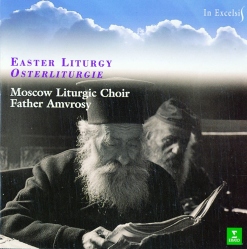
Choral Concerto No. 34 "Let God arise, let his enemies be scattered"
Choral Concerto No. 34 "Let God arise"
6:44
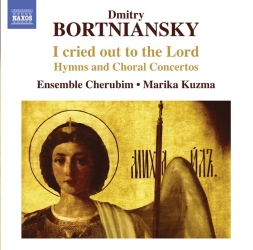
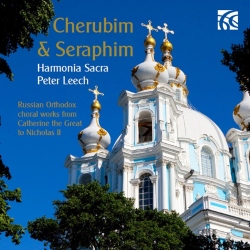

11
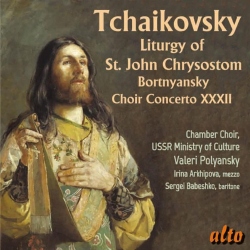
Lord, Let Me Know My End for chorus
Concerto for choir XXXII "Lord, Make Me to Know Mine End"
12:58
13
Sacred Concerto No. 9 "This is the day which the Lord has made"
Concerto No. 9, Allegro moderato - Andante
6:7
15
Great and Glorious Is the God of Zion
Kol Slaven ('Ich Bete an Die Macht der Liebe'), Manuscript Marine Band of the Royal Netherlands Navy
2:34



Copyright Ⓒ 2013 Davinci Finger. All rights reseved
Service Terms & Policy