Dimitry Bortnyansky
Cherubim Hymn
Released Album
Recent Album


Featured Album
Works Info
Composer:Dimitry BortnyanskyGenre:MiscellaneousStyle:HymnAverage_duration:4:29Dmitry Bortnyansky's "Cherubim Hymn" is a choral masterpiece that has become a staple in the Eastern Orthodox Church. The hymn was composed in the late 18th century and premiered in 1790 in St. Petersburg, Russia. It is a four-part choral work that is sung a cappella, without any instrumental accompaniment. The "Cherubim Hymn" is divided into three movements, each with its own distinct character. The first movement is a slow and solemn introduction that sets the tone for the rest of the piece. The second movement is a lively and energetic section that features intricate harmonies and complex rhythms. The final movement is a return to the slow and solemn character of the opening, with a few added flourishes to bring the piece to a satisfying conclusion. One of the most striking characteristics of the "Cherubim Hymn" is its use of polyphony. Bortnyansky was a master of counterpoint, and he uses this technique to great effect in the piece. The four-part harmony creates a rich and complex sound that is both beautiful and awe-inspiring. Another notable characteristic of the "Cherubim Hymn" is its use of dynamics. Bortnyansky employs a wide range of dynamics throughout the piece, from the softest pianissimo to the loudest fortissimo. This creates a sense of drama and tension that adds to the emotional impact of the piece. The text of the "Cherubim Hymn" is taken from the Liturgy of St. John Chrysostom, one of the most important liturgical texts in the Eastern Orthodox Church. The hymn is sung during the Great Entrance, when the bread and wine are brought to the altar. The text speaks of the angels who surround the throne of God, singing praises to Him and asking for His mercy. Overall, the "Cherubim Hymn" is a masterpiece of choral music that has stood the test of time. Its intricate harmonies, complex rhythms, and powerful dynamics make it a challenging but rewarding piece for choirs to perform. Its use of the text from the Liturgy of St. John Chrysostom also gives it a deep spiritual significance that resonates with audiences to this day.More....
Works Music
Released Music



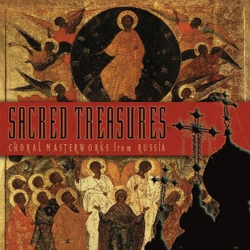
Featured Music