


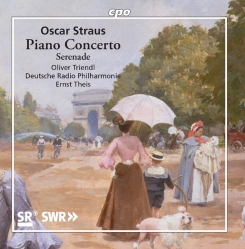
Oscar Straus
Released Album
Opera
-
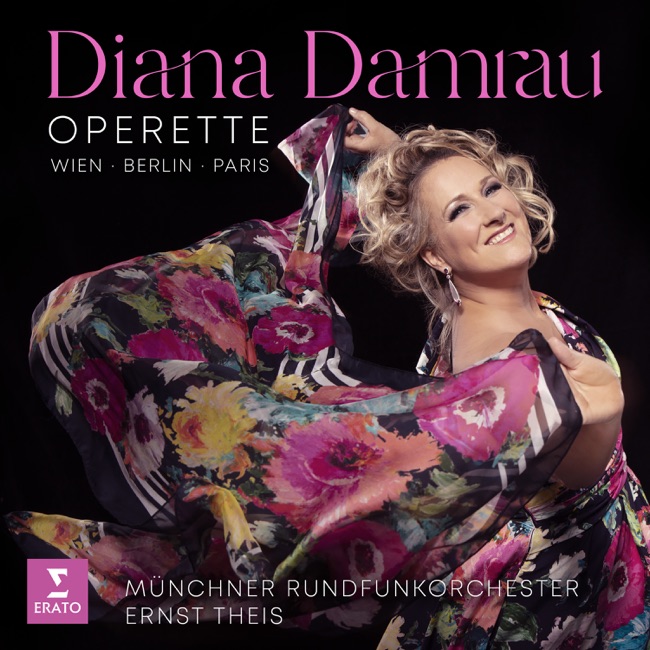 December 15, 2023
 -
-
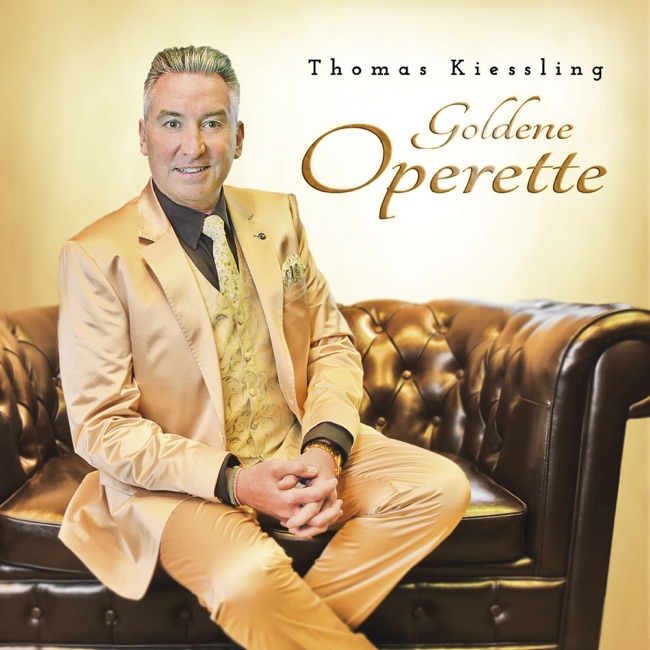 September 15, 2016
 -
 January 15, 2016
 -
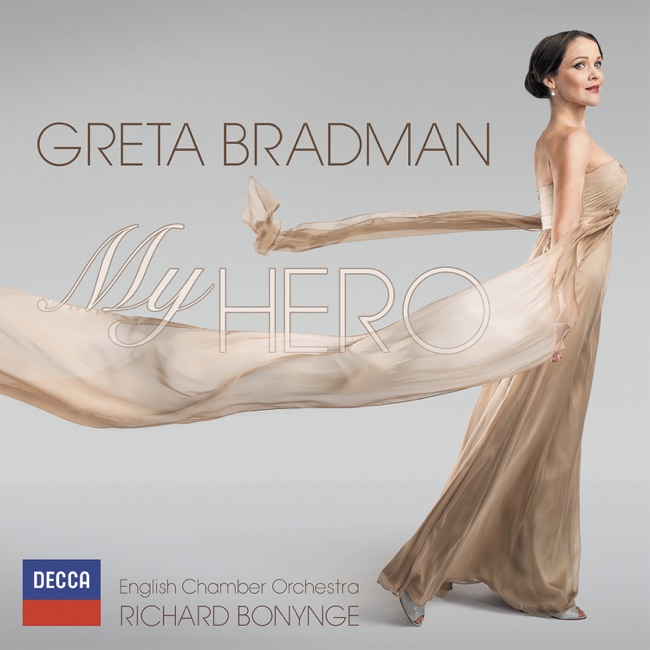 August 7, 2015
 -
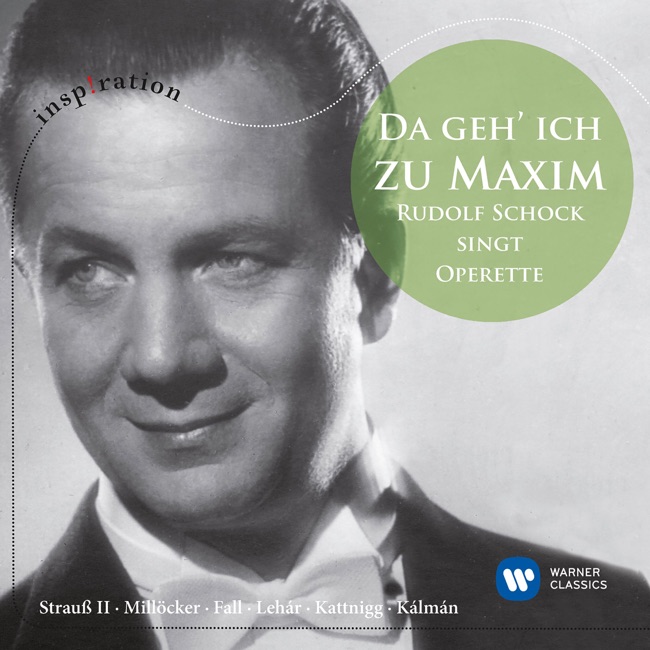
Vocal
-
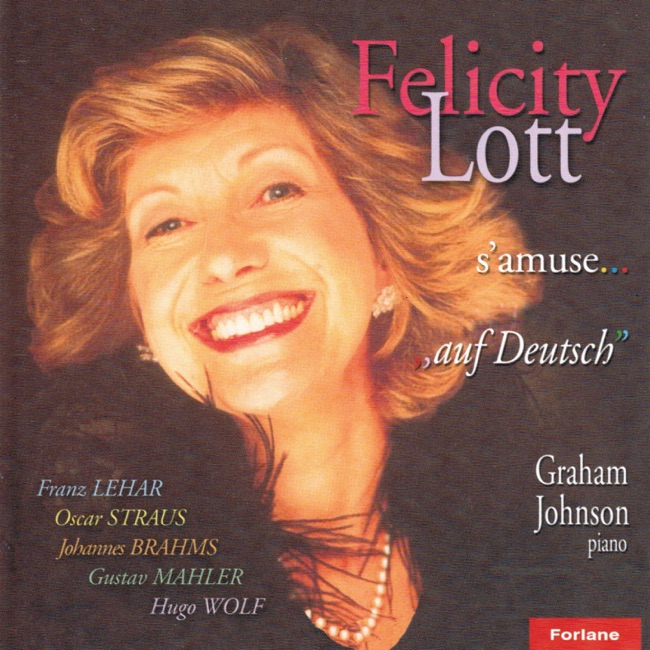 August 27, 2002
 -
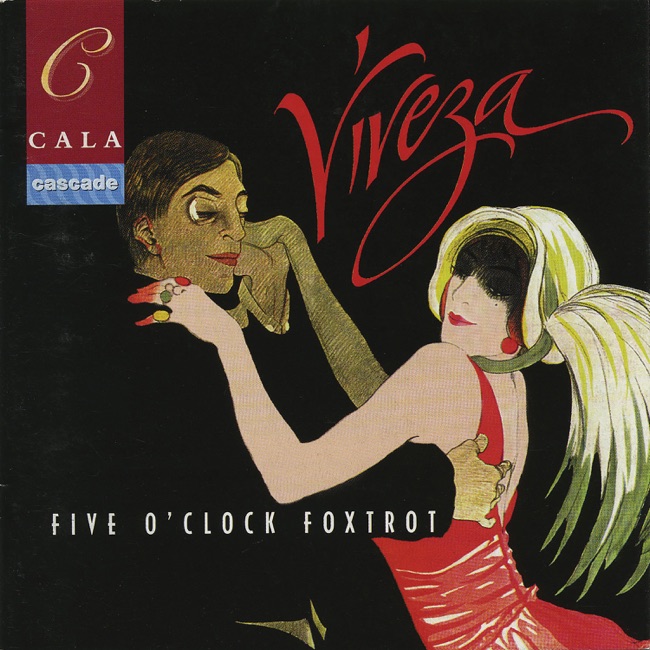 1996
1996
Orchestral
-
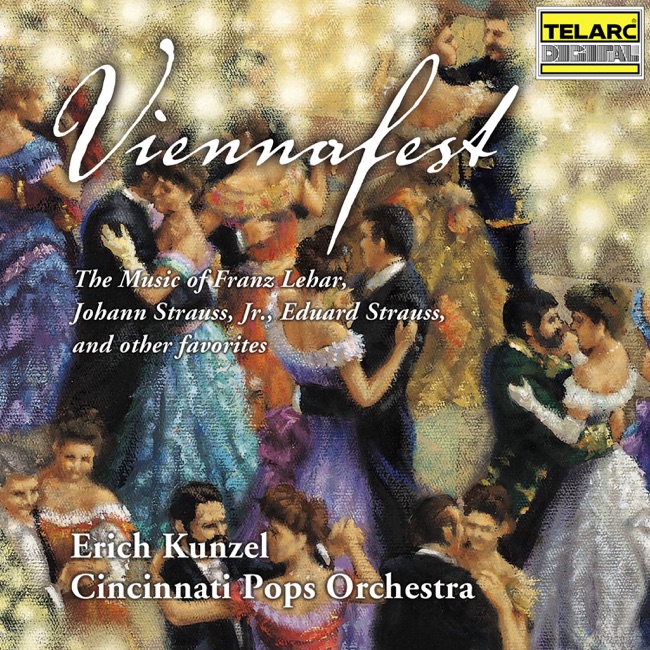 October 24, 2000
Artist Info
Role:Composer ConductorCountry: AustriaBirth:March 6, 1870 in Vienna, AustriaDeath:January 11, 1954 in Bad Ischl, AustriaPeriod:RomanticContemporaryGenre:OperaOscar Straus was a prominent composer of operettas and classical music in the late 19th and early 20th centuries. He was born on March 6, 1870, in Vienna, Austria, to a Jewish family. His father, Johann Strauss II, was a famous composer known as the "Waltz King," and his mother, Adele Strauss, was a singer. Oscar was the youngest of three children, and his siblings were also musically talented. Oscar showed an early interest in music and began studying piano at a young age. He later studied composition with some of the most prominent teachers of the time, including Robert Fuchs and Johann Nepomuk Fuchs. He also studied at the Vienna Conservatory, where he was a classmate of Gustav Mahler. In 1894, Oscar made his debut as a composer with his operetta "Die lustigen Nibelungen," which was well-received by audiences and critics alike. This success led to more commissions, and he went on to compose several more operettas, including "Ein Walzertraum" (A Waltz Dream) and "Der tapfere Soldat" (The Brave Soldier). One of Oscar's most famous works is the operetta "The Chocolate Soldier," which premiered in Vienna in 1908. The operetta was based on George Bernard Shaw's play "Arms and the Man" and was a huge success, running for over a year in Vienna and then touring Europe and the United States. The operetta's most famous song, "My Hero," became a popular hit and was later recorded by many famous singers. Oscar also composed several other operettas, including "The Last Waltz," "The Merry Widow," and "The Smiling Lieutenant." His music was known for its catchy melodies, lush orchestrations, and witty lyrics. In addition to his work in operetta, Oscar also composed several classical works, including a violin concerto, a piano concerto, and a symphony. His classical works were well-regarded by critics, but they were not as popular as his operettas. Oscar's career was interrupted by World War I, during which he served in the Austrian army. After the war, he continued to compose, but his popularity began to wane. He moved to Berlin in the 1920s and continued to compose, but his works were not as successful as they had been in the past. In 1933, Oscar was forced to flee Germany due to the rise of the Nazi party. He moved to Paris, where he continued to compose but struggled to find success. He died in Paris on January 11, 1954, at the age of 83. Despite his struggles later in life, Oscar Straus remains an important figure in the history of operetta and classical music. His catchy melodies and witty lyrics continue to be enjoyed by audiences around the world, and his influence can be heard in the works of many composers who came after him.More....
Recent Artist Music
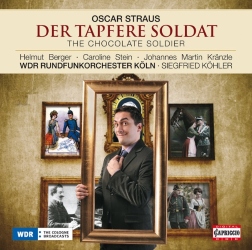
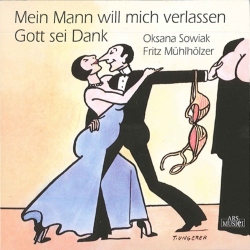
8
4:30
12
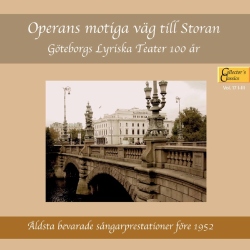
Oscar Straus
Die Teresina: Chanson
2:34
13
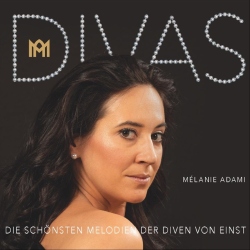
3:21
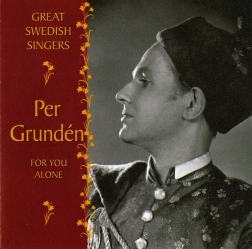
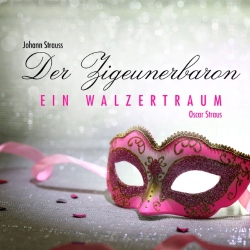

Copyright Ⓒ 2013 Davinci Finger. All rights reseved
Service Terms & Policy