


Clara Butt
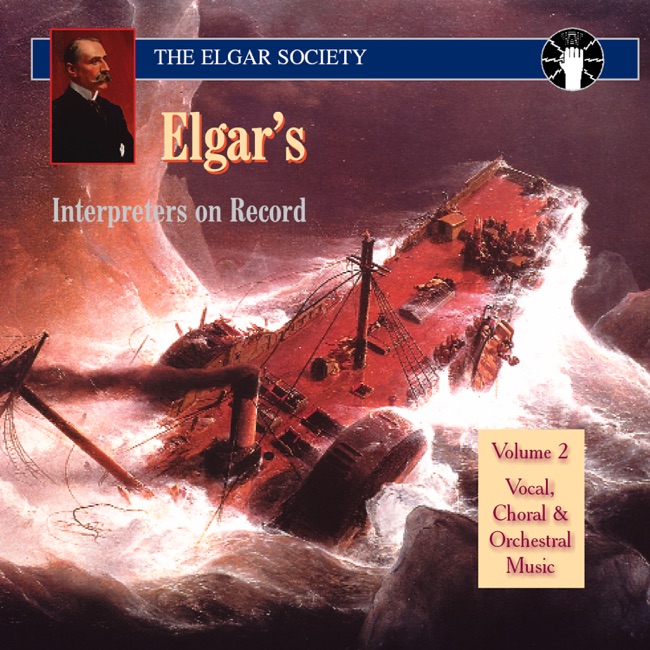
Released Album
Vocal
-
 March 2, 2004
 -
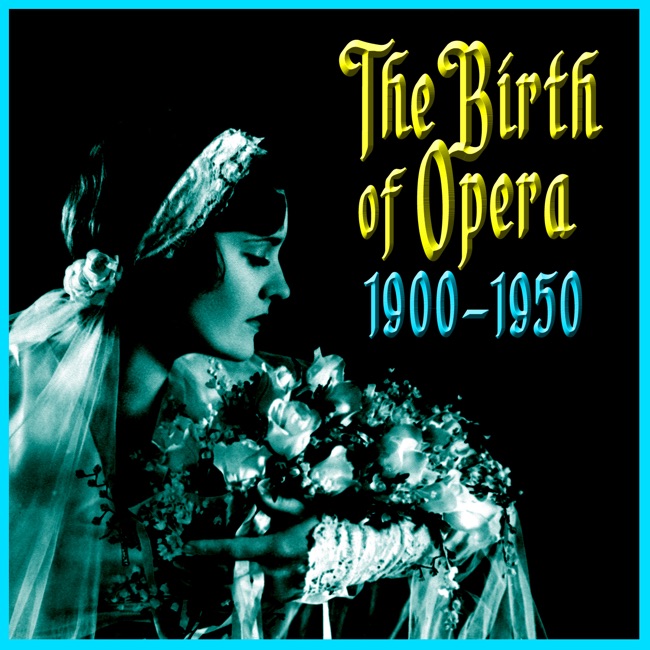
Opera
-
 March 1, 2011
 -
 June 23, 1998
Artist Info
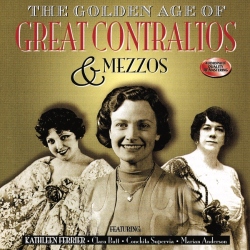
Country: United KingdomBirth:February 1, 1873 in Sussex, EnglandDeath:January 23, 1936 in Oxford, EnglandPeriod:RomanticGenre:OperaVocalClara Butt was a renowned British contralto singer who was born on February 1, 1872, in South Petherton, Somerset, England. She was the youngest of six children born to Henry and Clara Ann Butt. Her father was a successful businessman who owned a grocery store and a bakery. Clara showed an early interest in music and began singing in the church choir at the age of nine. At the age of 16, Clara moved to London to study music at the Royal College of Music. She was a talented student and quickly gained recognition for her powerful voice and commanding stage presence. In 1892, she made her professional debut at the Royal Albert Hall in London, where she performed Handel's Messiah. Over the next few years, Clara established herself as one of the leading contraltos of her time. She performed in concerts and operas throughout Europe and North America, earning critical acclaim for her rich, resonant voice and her ability to convey deep emotion through her singing. One of Clara's most memorable performances was at the coronation of King Edward VII in 1902. She sang the national anthem, "God Save the King," in front of a crowd of thousands, and her performance was widely praised for its power and beauty. In 1900, Clara married the composer and conductor Kennerley Rumford, who became her manager and collaborator. Together, they toured extensively and recorded many of Clara's most famous songs, including "Land of Hope and Glory" and "Rule, Britannia!" Clara was also known for her philanthropic work, and she often performed benefit concerts to raise money for charities and causes she supported. During World War I, she performed for British troops on the front lines, and she was awarded the Order of the British Empire in recognition of her service. Despite her success, Clara faced discrimination and prejudice as a woman and as a working-class person in a field dominated by the upper classes. She was often criticized for her appearance and her working-class accent, but she refused to let these criticisms hold her back. Instead, she used her platform to advocate for women's rights and to challenge the social norms of her time. Clara continued to perform and record music throughout her career, and she remained a beloved figure in the world of classical music until her death in 1936. Her legacy lives on through her recordings, which continue to inspire and delight audiences around the world.More....




Related Artists
Copyright Ⓒ 2013 Davinci Finger. All rights reseved
Service Terms & Policy