


John Liptrot Hatton
Released Album
Miscellaneous
-
 July 30, 2013
 -
 September 20, 2010
Vocal
-
 September 17, 2009
 -
 March 2, 2004
Choral
-
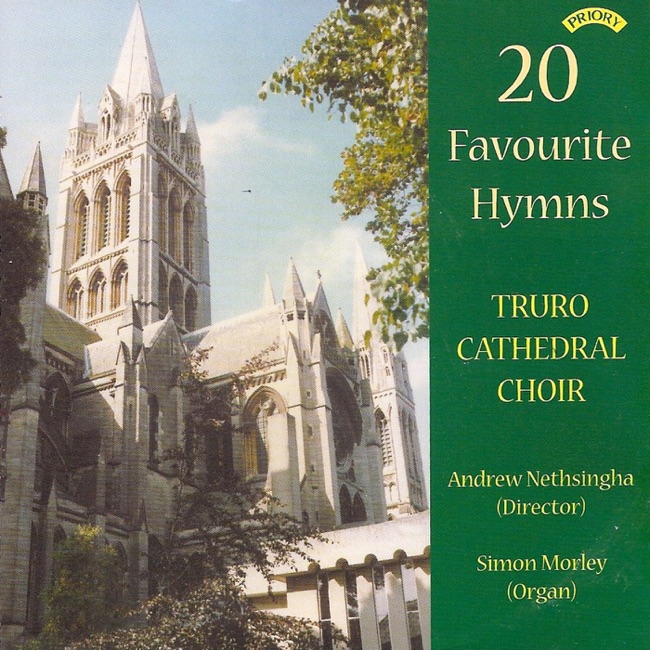 August 22, 2006
Artist Info
Role:ComposerBirth:1808Death:1886Period:ContemporaryGenre:VocalJohn Liptrot Hatton was a British composer and pianist who lived during the 19th century. He was born on October 3, 1809, in Liverpool, England, to a family of musicians. His father, John Hatton, was a well-known composer and conductor, and his mother, Elizabeth Liptrot, was a singer. Hatton showed an early interest in music and began taking piano lessons at a young age. Hatton's musical education continued at the Royal Academy of Music in London, where he studied under the renowned composer William Crotch. He also studied with the pianist and composer Ignaz Moscheles, who was a close friend of Beethoven. Hatton's talent as a pianist was recognized early on, and he began performing in public concerts while still a student at the Academy. After completing his studies, Hatton embarked on a successful career as a pianist and composer. He composed a wide variety of music, including operas, songs, and instrumental works. His most famous composition is the song "To Anthea," which was set to a poem by Robert Herrick. The song became immensely popular and was performed by many of the leading singers of the day. Hatton's operas were also well-received, and he was considered one of the leading composers of his time. His most successful opera was "Prince Adalbert," which premiered in 1844. The opera was based on a play by the German writer August von Kotzebue and was a romantic drama set in medieval Germany. The music was praised for its lyrical beauty and dramatic intensity. In addition to his work as a composer, Hatton was also a respected music critic and writer. He contributed articles to several music journals, including the Musical World and the Athenaeum. He was known for his insightful and thoughtful reviews, and his writing was highly regarded by his peers. Despite his success as a composer and critic, Hatton struggled with financial difficulties throughout his life. He was forced to take on a variety of jobs to make ends meet, including teaching and working as a music copyist. He also suffered from poor health, which made it difficult for him to maintain a consistent schedule of performances and compositions. Despite these challenges, Hatton continued to compose and perform throughout his life. He remained active in the music community until his death on September 20, 1886, in Margate, England. He was buried in the local cemetery, and his grave is marked with a simple headstone that bears his name and the dates of his birth and death. Today, Hatton is remembered as one of the leading composers of his time. His music is still performed and recorded, and his contributions to the world of classical music are celebrated by musicians and music lovers around the world.More....
Recent Artist Music

6
1:37
Copyright Ⓒ 2013 Davinci Finger. All rights reseved
Service Terms & Policy