


Robert Starer
Released Album
Chamber
-
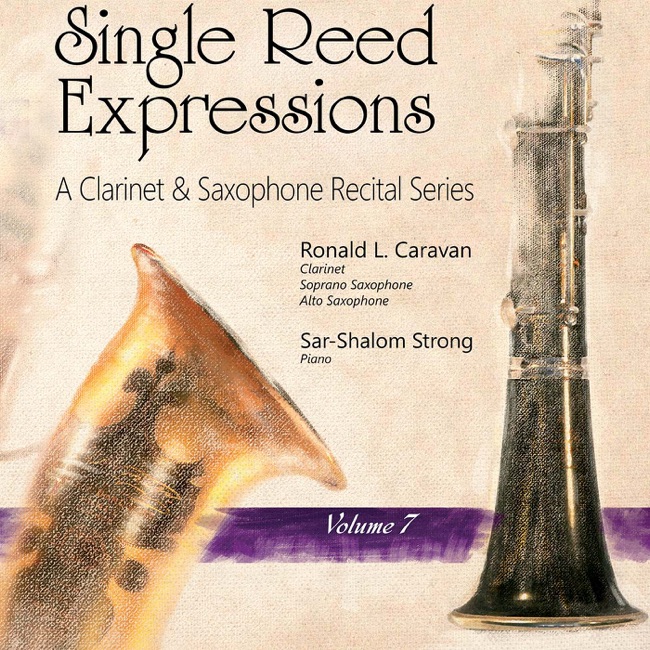
-
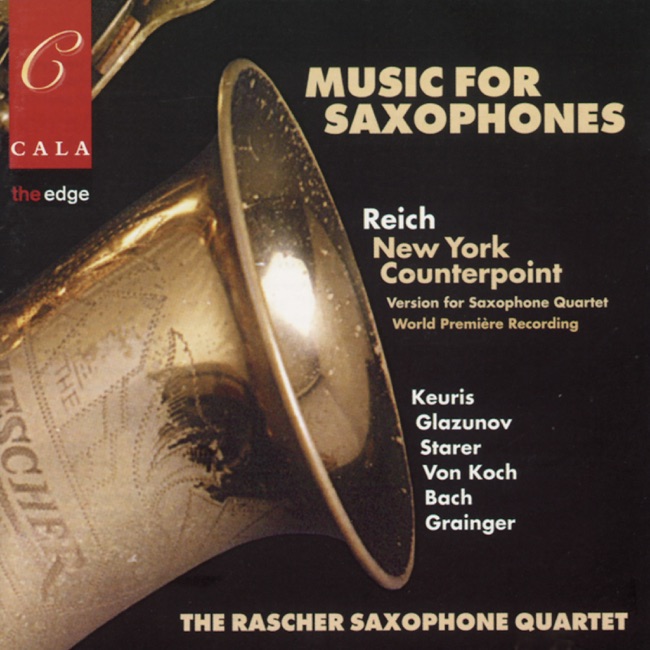 September 3, 2008
 -
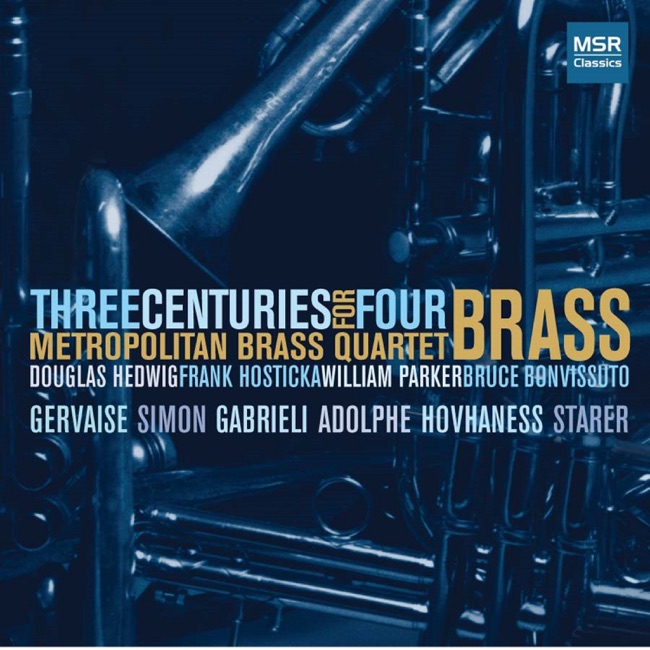 July 17, 2007
 -
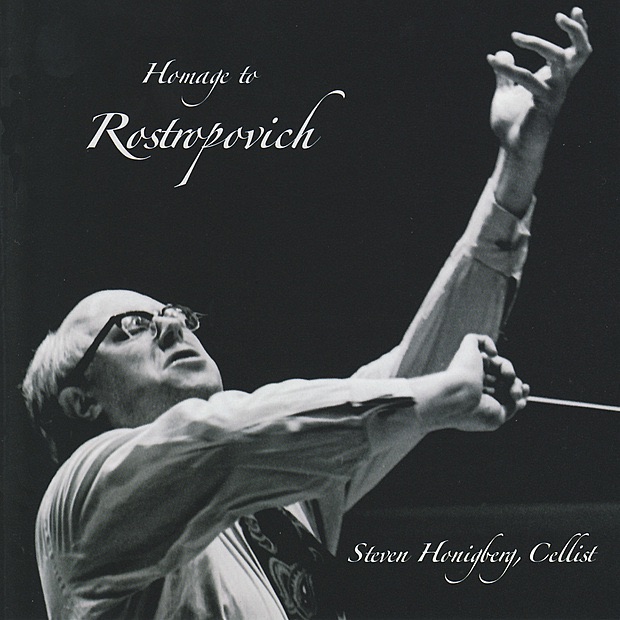 July 17, 2007
 -
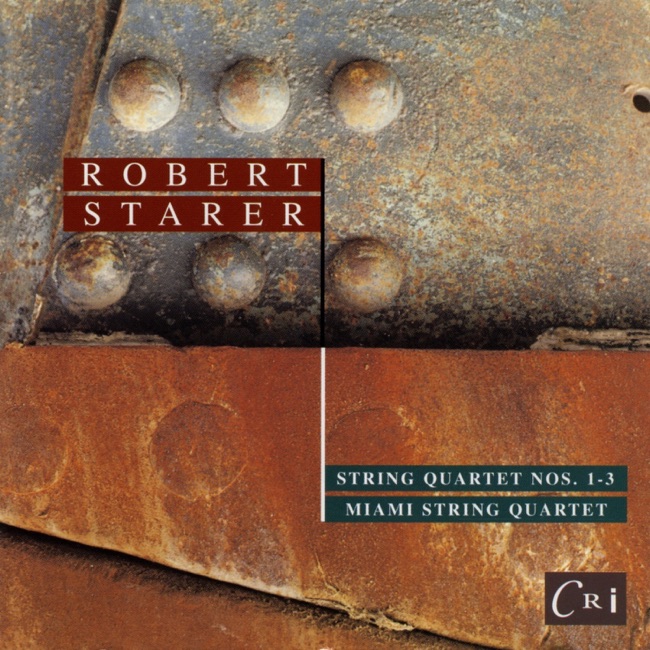 June 27, 2000
 -
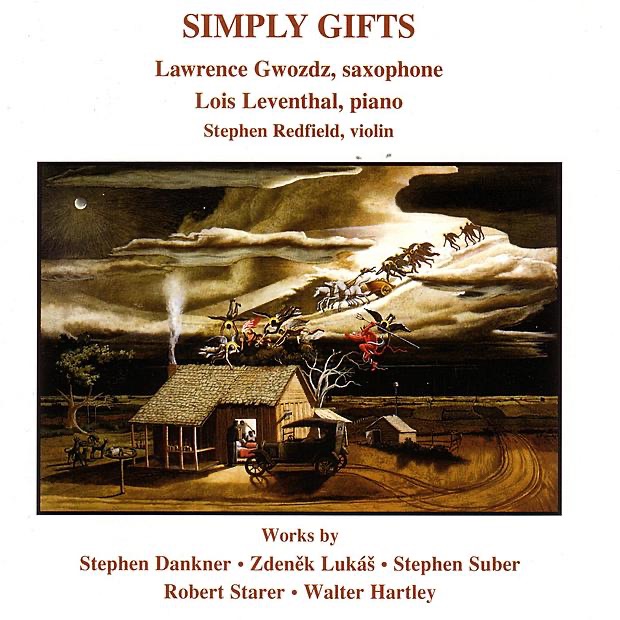 March 28, 2000
Keyboard
-
 September 24, 2002
 -
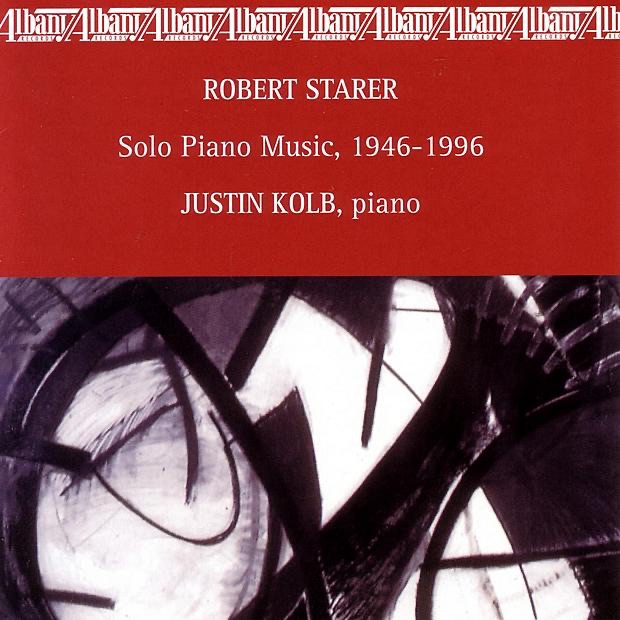 March 18, 1997
 -
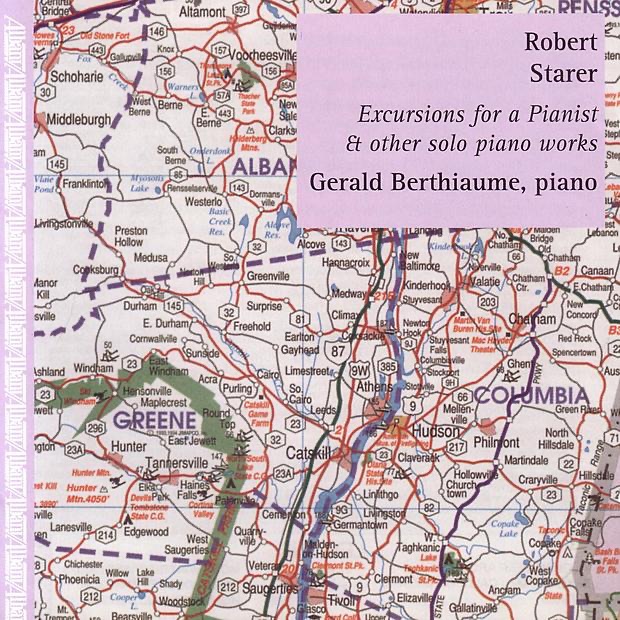 December 17, 1996
 -
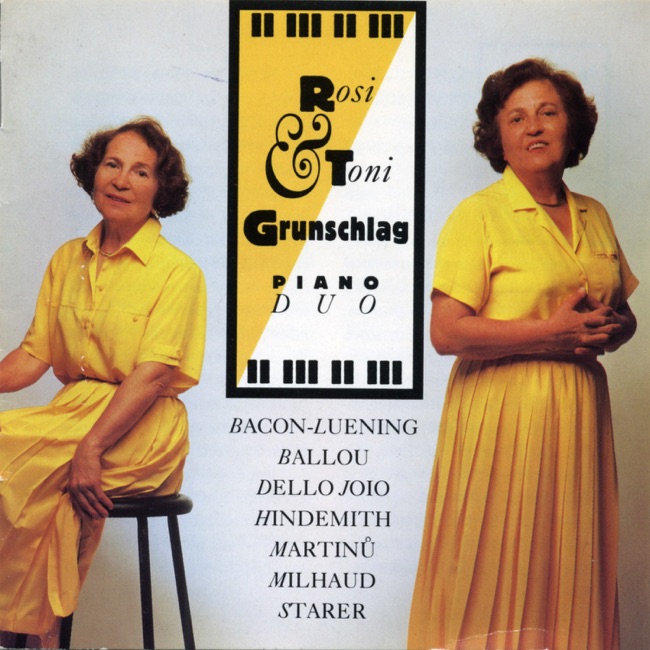 January 26, 1994
Concerto
-
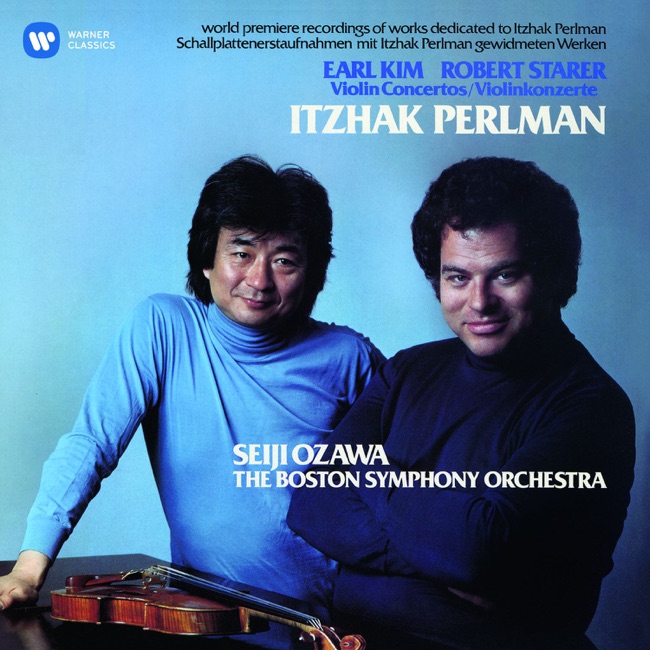 November 20, 2015
 -
 September 23, 2003
Vocal
-
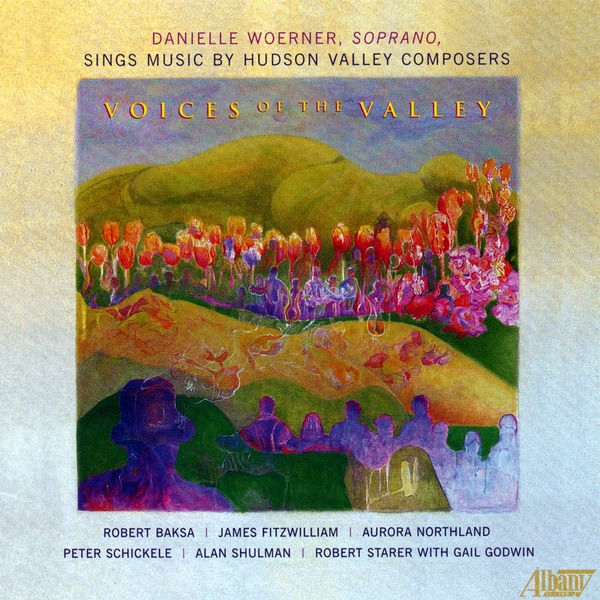 November 21, 2006
 -
 November 1, 2006
Artist Info
Role:ComposerBirth:January 8, 1924Death:April 22, 2001Genre:ChamberConcertoKeyboardVocalRobert Starer was a Hungarian-born American composer, pianist, and educator who made significant contributions to the world of classical music. He was born on April 8, 1924, in Vienna, Austria, to Jewish parents. His father was a businessman, and his mother was a pianist. Starer showed an early interest in music and began playing the piano at the age of six. In 1938, when Starer was fourteen years old, his family fled Austria to escape the Nazi regime. They settled in Palestine, where Starer continued his musical education. He studied piano with Leo Kestenberg and composition with Paul Ben-Haim at the Jerusalem Conservatory of Music. In 1947, he moved to the United States to study at the New England Conservatory of Music in Boston. Starer's early compositions were influenced by his Jewish heritage and the music of his homeland. His first major work, the String Quartet No. 1, was premiered in 1950 and received critical acclaim. He went on to compose a series of works for chamber ensembles, including the Sonata for Flute and Piano, the Trio for Clarinet, Violin, and Piano, and the String Quartet No. 2. In the 1960s, Starer began to experiment with new compositional techniques, including serialism and aleatoric music. His works from this period include the Piano Sonata No. 2, the String Quartet No. 3, and the Concerto for Orchestra. He also composed several works for solo piano, including the Twelve Etudes and the Variations on a Theme by Paganini. Starer's music is characterized by its lyricism, rhythmic vitality, and emotional depth. He was a master of orchestration and had a keen sense of color and texture. His works often incorporate elements of folk music and jazz, as well as classical forms and structures. In addition to his work as a composer, Starer was a respected educator. He taught at the Juilliard School in New York City from 1963 to 1990 and was a visiting professor at several other institutions, including the University of California, Berkeley, and the University of Michigan. He was known for his rigorous teaching style and his commitment to helping his students develop their own unique voices as composers. Starer's contributions to the world of classical music were recognized with numerous awards and honors. He was a recipient of the Guggenheim Fellowship, the National Endowment for the Arts Composer's Grant, and the American Academy of Arts and Letters Music Award. He was also elected a Fellow of the American Academy of Arts and Sciences in 1988. Robert Starer passed away on April 22, 2001, at the age of 77. His legacy as a composer and educator continues to inspire new generations of musicians. His works are performed regularly by orchestras and chamber ensembles around the world, and his influence can be heard in the music of many contemporary composers.More....
Recent Artist Music

3
9:26




Copyright Ⓒ 2013 Davinci Finger. All rights reseved
Service Terms & Policy