


Ambrosian Chant
Released Album
Choral
-
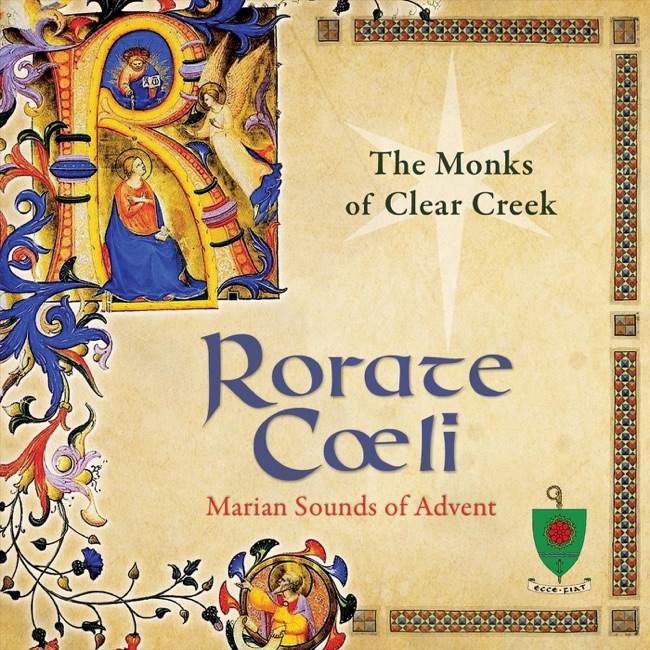 September 8, 2022
 -
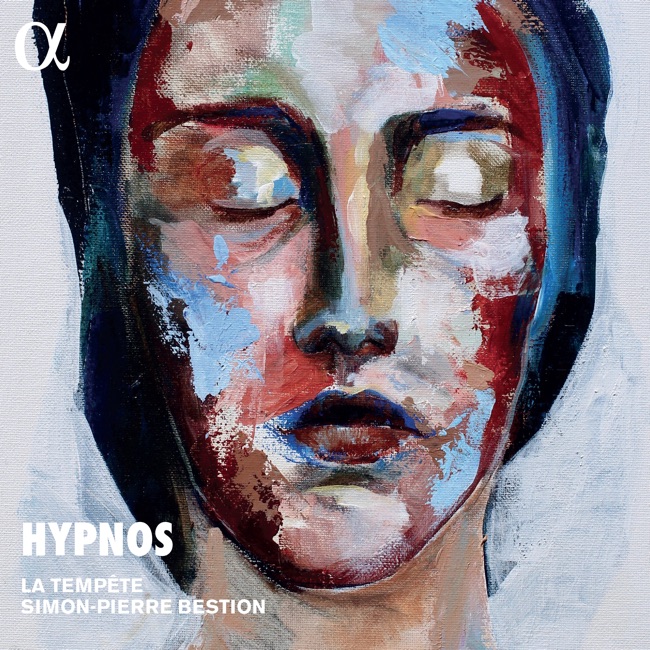 January 14, 2022
 -
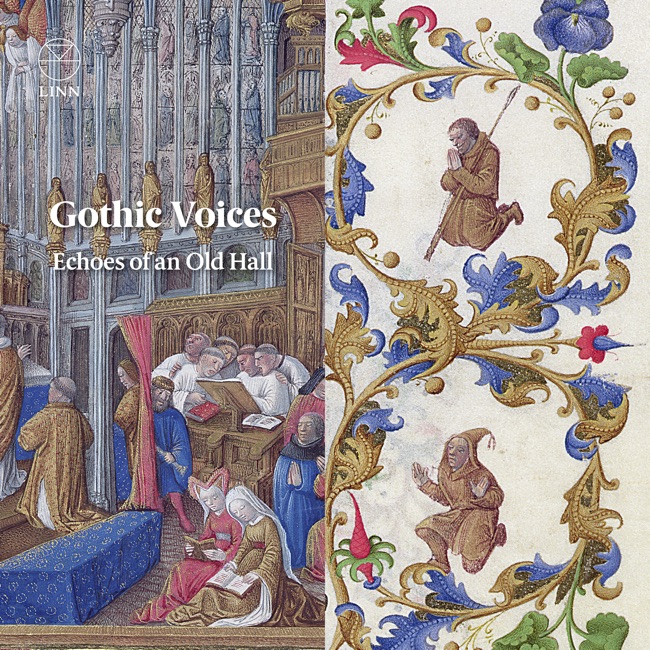 June 11, 2021
 -
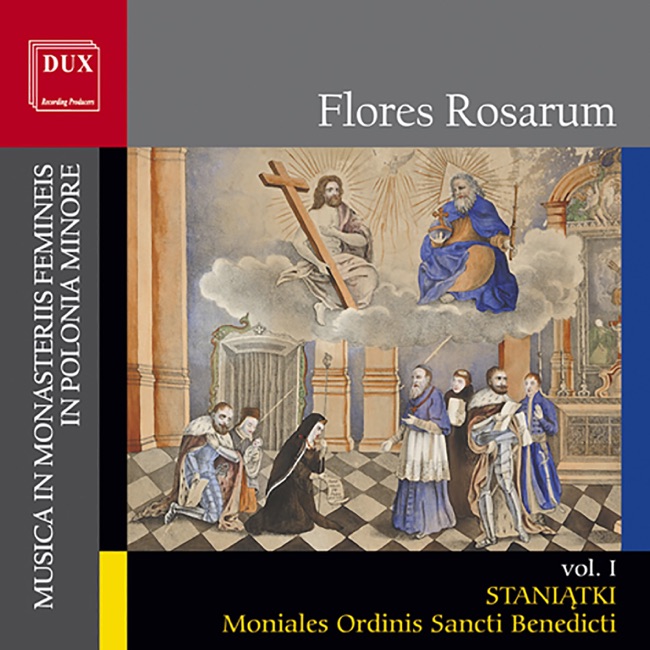 June 24, 2016
 -
-
 September 1, 2009
Artist Info
Role:ComposerGenre:ChoralAmbrosian Chant is a form of liturgical music that originated in Milan, Italy, during the fourth century. It is named after Saint Ambrose, the bishop of Milan, who is credited with its creation. The Ambrosian Chant is a form of plainchant, which is a type of monophonic music that is sung in unison without any instrumental accompaniment. The Ambrosian Chant was developed as a way to enhance the liturgical experience of the Catholic Mass. It was designed to be sung by the congregation, and its simple melodies and easy-to-learn lyrics made it accessible to all. The Ambrosian Chant was also used in the celebration of other religious ceremonies, such as baptisms, weddings, and funerals. The Ambrosian Chant was passed down through the centuries by oral tradition, and it was not until the ninth century that it was written down. The earliest written sources of the Ambrosian Chant date back to the ninth and tenth centuries, and they are preserved in the Biblioteca Ambrosiana in Milan. The Ambrosian Chant was an important influence on the development of Western music. It was one of the earliest forms of liturgical music, and it served as a model for other forms of plainchant, such as Gregorian Chant. The Ambrosian Chant also had an impact on the development of polyphonic music, which is music that is composed of multiple voices or parts. One of the most famous composers of Ambrosian Chant was Saint Augustine of Hippo. Augustine was a bishop and theologian who lived in the fourth and fifth centuries. He was a prolific writer and composer, and he is credited with the creation of many hymns and chants that are still used in the Catholic Church today. Another important composer of Ambrosian Chant was Saint Ambrose himself. Ambrose was a bishop and theologian who lived in the fourth century. He is credited with the creation of many hymns and chants, including the famous hymn "Te Deum," which is still sung in the Catholic Church today. The Ambrosian Chant continued to be an important part of the Catholic liturgy throughout the Middle Ages and the Renaissance. It was used in the celebration of Mass and other religious ceremonies, and it was also performed in secular settings, such as courts and palaces. One of the most famous works of Ambrosian Chant is the "Missa Ambrosiana," which is a Mass setting that was composed in the sixteenth century. The "Missa Ambrosiana" is a polyphonic work that is composed of multiple voices or parts. It is a beautiful and complex piece of music that is still performed today. In the nineteenth century, there was a revival of interest in the Ambrosian Chant. Scholars and musicians began to study the chant and to perform it in concerts and recitals. This revival helped to preserve the Ambrosian Chant and to ensure that it would continue to be an important part of the Catholic liturgy. Today, the Ambrosian Chant is still used in the celebration of Mass and other religious ceremonies in Milan and other parts of Italy. It is also performed in concerts and recitals around the world, and it continues to be an important influence on the development of Western music. In conclusion, the Ambrosian Chant is a form of liturgical music that originated in Milan, Italy, during the fourth century. It is named after Saint Ambrose, the bishop of Milan, who is credited with its creation. The Ambrosian Chant is a form of plainchant that is sung in unison without any instrumental accompaniment.More....
Recent Artist Music
15
Senex puerum portabat
Senex puerum portabat (Alleluia, In festo purificationis, Blessed Mary, Virgin)
3:50
Copyright Ⓒ 2013 Davinci Finger. All rights reseved
Service Terms & Policy