


Otakar Kraus
Released Album
Opera
-
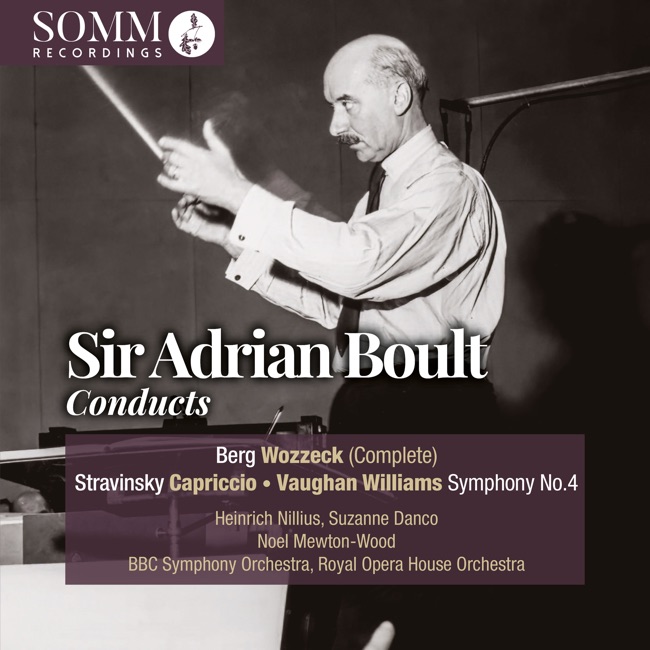
-
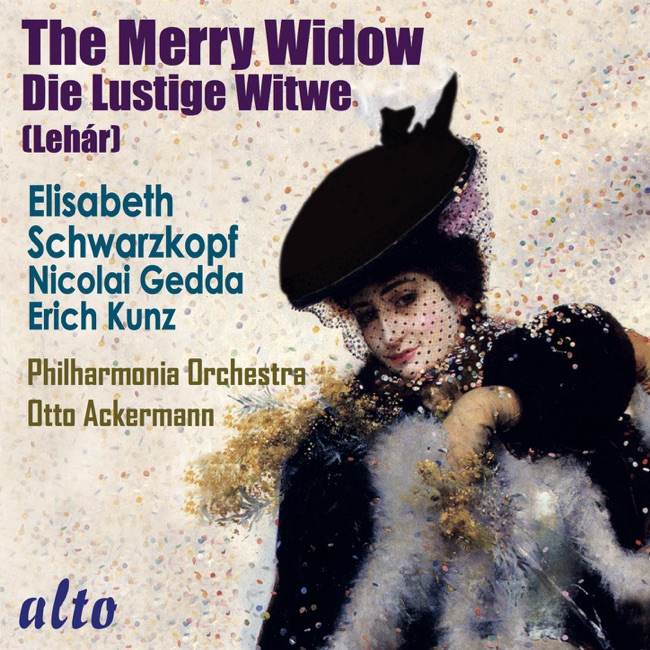 October 13, 2017
 -
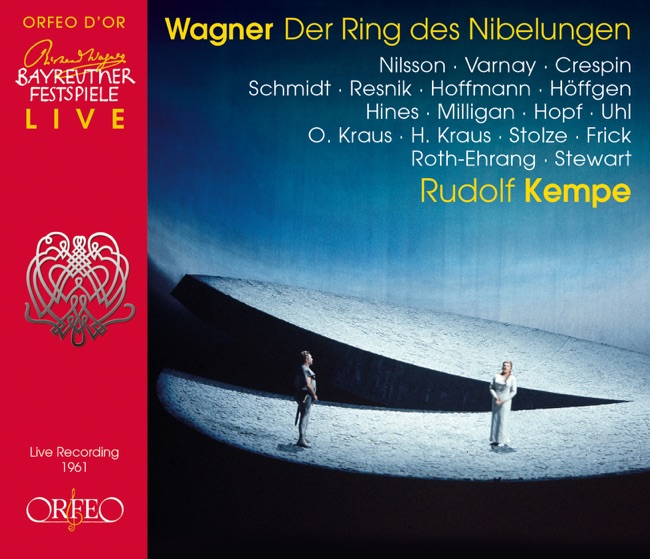 November 11, 2016
 -
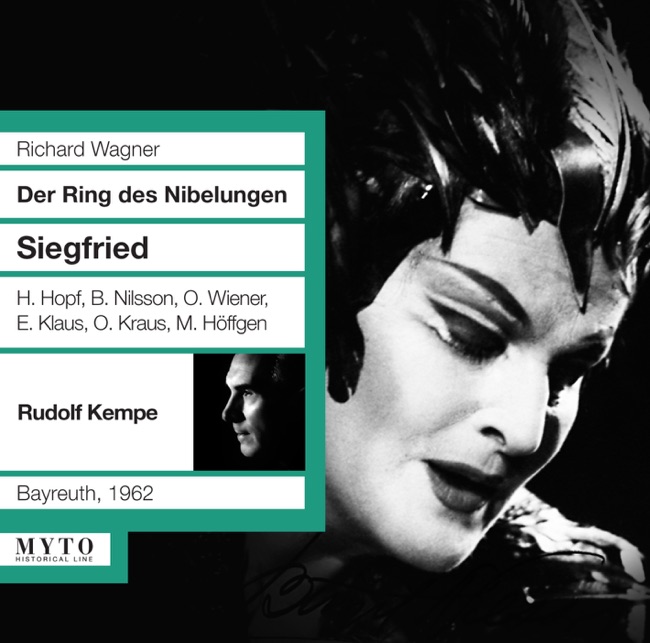
-
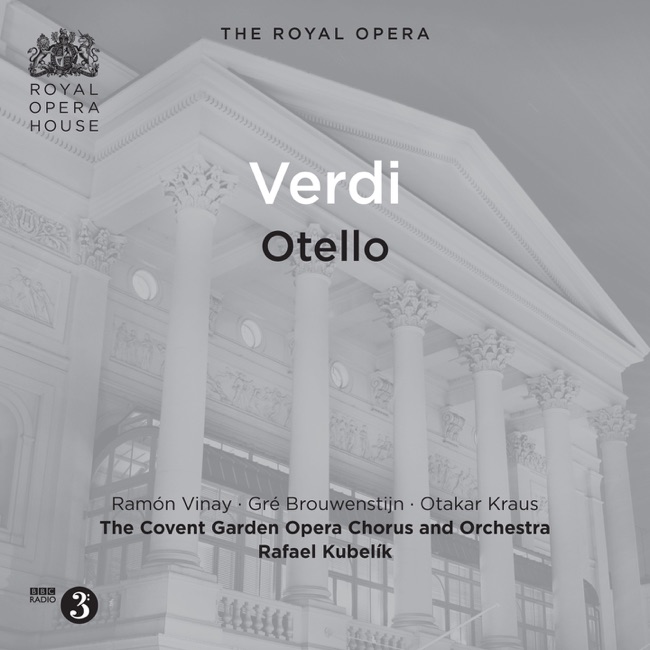 October 28, 2014
 -
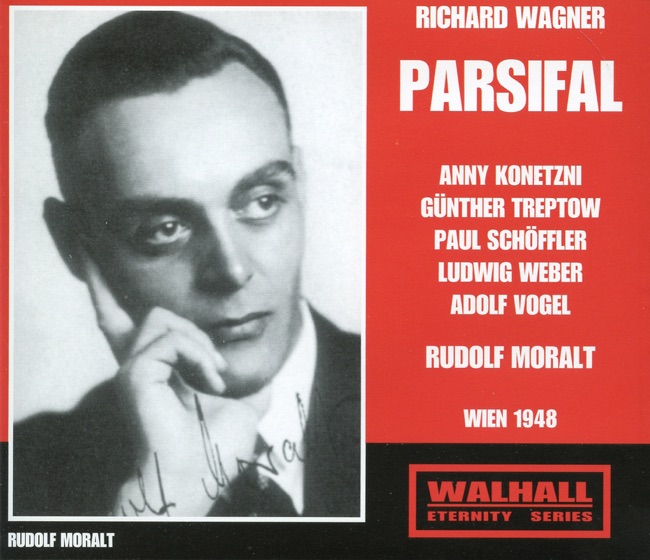 October 1, 2014
Choral
-
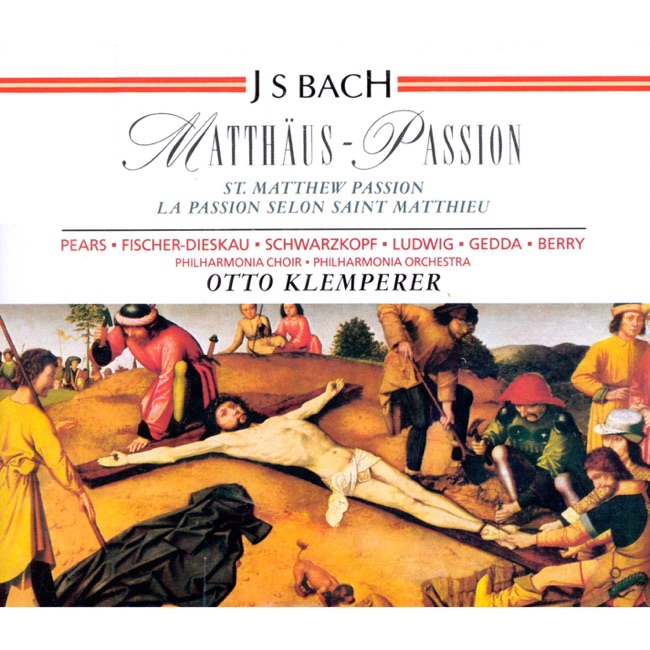 March 3, 1989
 -
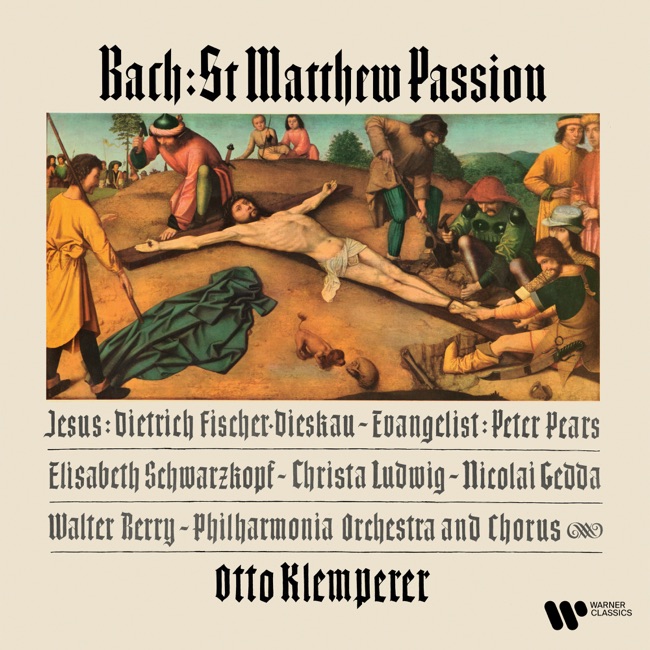 January 1, 1962
Artist Info
Period:BaroqueRomanticModernGenre:ChoralOperaOtakar Kraus was a Czech-born classical music artist who made a significant impact on the world of opera and vocal performance. Born on May 1, 1909, in Prague, Kraus was the son of a prominent lawyer and a talented pianist. From a young age, he showed a keen interest in music and began studying the piano and singing. Kraus's early musical education was interrupted by the outbreak of World War I, and his family was forced to flee to Vienna. Despite the upheaval, Kraus continued to pursue his musical studies, and by the age of 18, he had made his debut as a baritone in a production of Mozart's "The Marriage of Figaro." In the years that followed, Kraus continued to hone his craft, studying with some of the most renowned vocal coaches of the time. He made his professional debut in 1933, singing the role of Marcello in Puccini's "La Bohème" at the National Theatre in Prague. This performance was a critical success, and Kraus quickly established himself as one of the most promising young baritones in Europe. Over the next few years, Kraus performed in a variety of operas and concerts throughout Europe, earning critical acclaim for his powerful voice and dramatic stage presence. In 1938, he was invited to perform at the Salzburg Festival, one of the most prestigious classical music events in the world. This performance was a turning point in Kraus's career, and he soon became a regular fixture at the festival, performing in productions of works by Mozart, Verdi, and Wagner. However, Kraus's career was interrupted once again by the outbreak of World War II. He was conscripted into the Czech army and spent several years serving on the front lines. Despite the danger and hardship, Kraus continued to sing whenever he could, performing for his fellow soldiers and even giving impromptu concerts in bombed-out buildings. After the war, Kraus resumed his career as a professional singer, but he soon became disillusioned with the traditional opera world. He felt that the emphasis on spectacle and showmanship had overshadowed the true artistry of the music, and he began to search for a new approach to vocal performance. In the early 1950s, Kraus moved to England, where he began to explore the possibilities of a more intimate, emotionally expressive style of singing. He became a vocal coach and began to work with a new generation of singers, including the young Joan Sutherland. Kraus's approach to singing emphasized the importance of emotional connection and authenticity, and he encouraged his students to explore the full range of their voices and emotions. In the years that followed, Kraus continued to perform and teach, earning a reputation as one of the most innovative and influential vocal coaches of his time. He was particularly known for his work with singers who had suffered vocal damage or trauma, helping them to regain their voices and confidence. Kraus's legacy as a performer and teacher is still felt today, and his influence can be seen in the work of countless singers and vocal coaches around the world. He died on December 22, 1980, but his legacy lives on through his recordings, his students, and the countless singers who continue to be inspired by his artistry and vision.More....
Recent Artist Music

Copyright Ⓒ 2013 Davinci Finger. All rights reseved
Service Terms & Policy