


Jacobus Vaet
Released Album
Choral
-
 November 13, 2015
 -
 March 25, 2014
 -
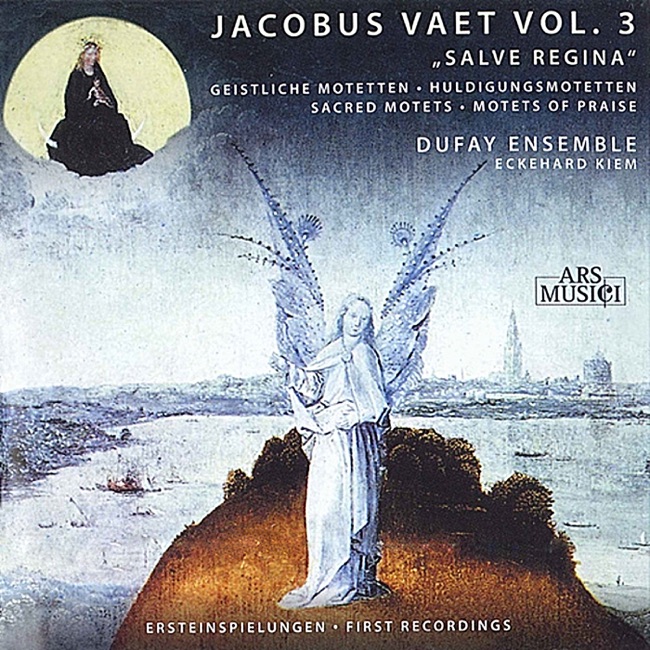 September 28, 2010
 -
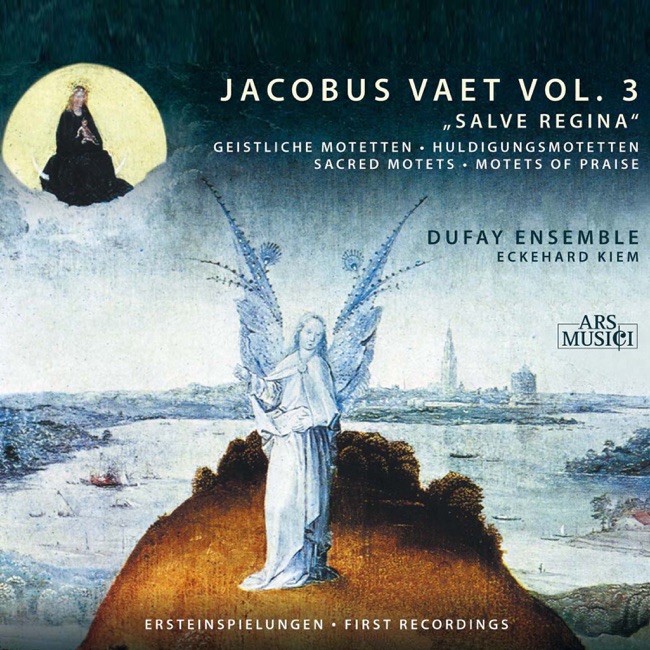 January 1, 2010
 -
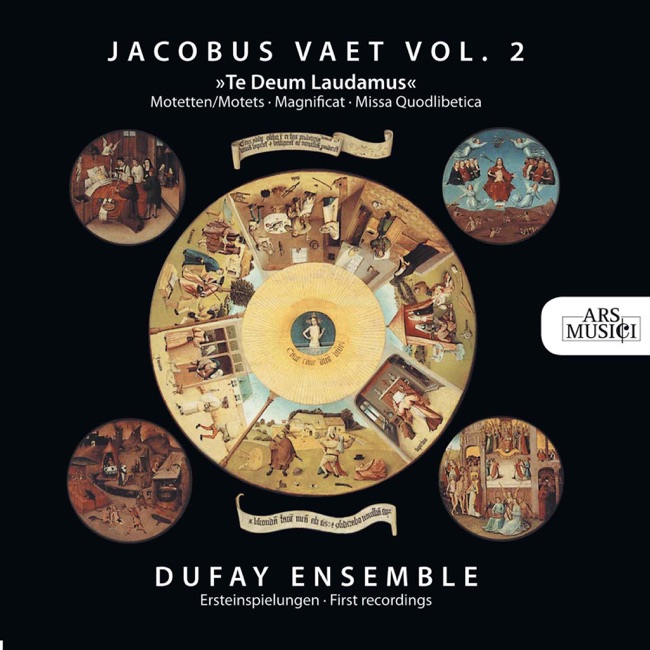 January 1, 2009
 -
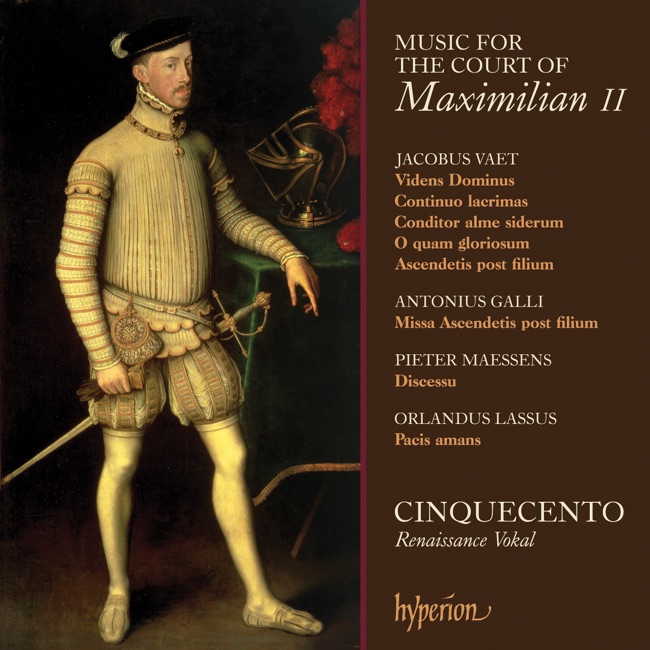 January 29, 2007
Vocal
-
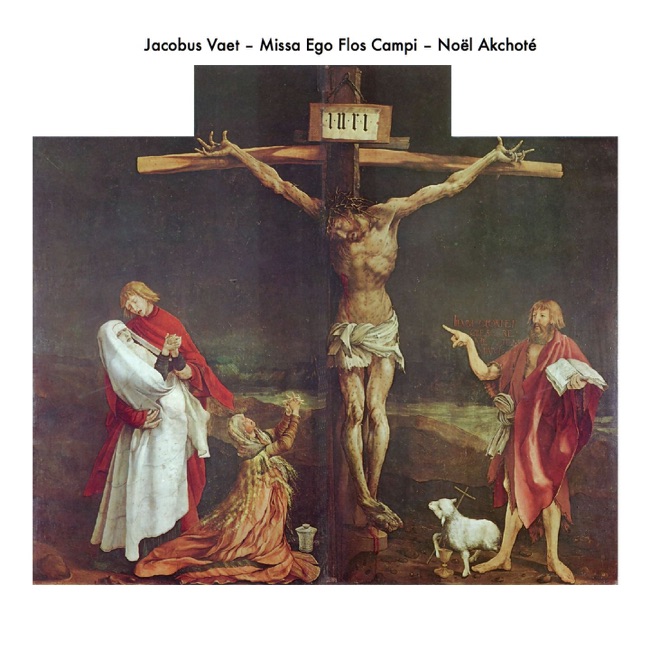 June 17, 2016
 -
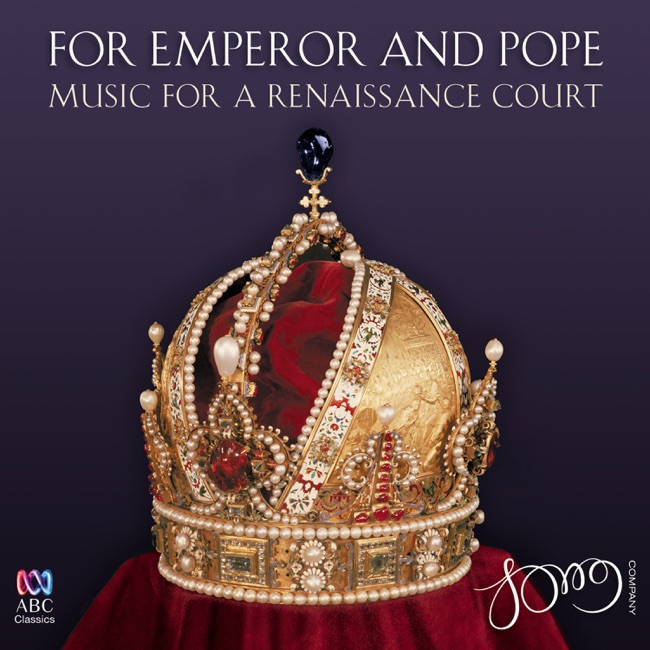 September 9, 2014
 -
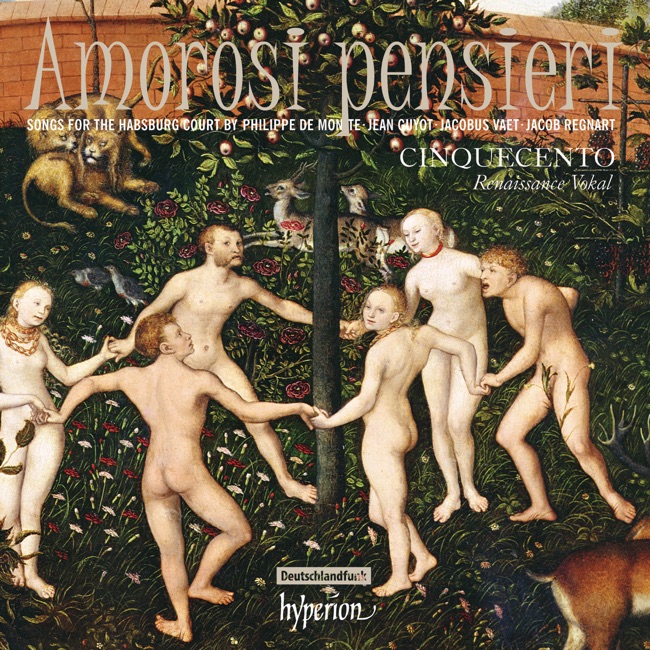 June 10, 2014
 -
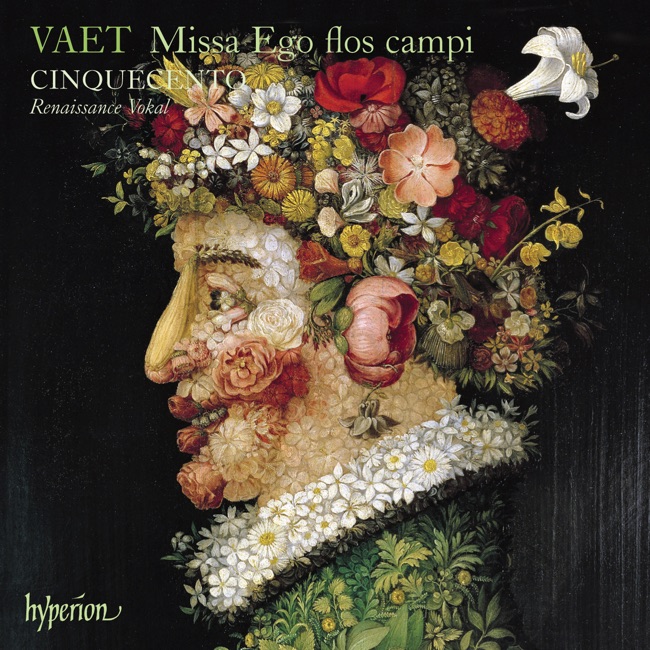 March 2, 2009
Artist Info
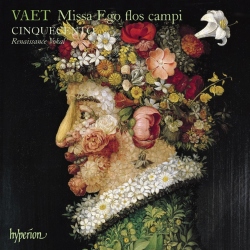
Role:ComposerCountry: BelgiumBirth:ca. 1529 in Harelbeke, BelgiumDeath:January 8, 1567 in Vienna, AustriaPeriod:RenaissanceGenre:ChoralJacobus Vaet was a prominent composer of the Renaissance era, born in Kortrijk, Flanders, in 1529. He was the son of a musician, and his father likely played a significant role in his early musical education. Vaet's musical talent was evident from a young age, and he quickly became known for his exceptional skills as a composer and performer. Vaet's early years were spent in Flanders, where he likely received his initial musical training. He later moved to Italy, where he studied under the renowned composer Adrian Willaert. Willaert was a significant influence on Vaet's musical style, and his teachings helped shape Vaet's approach to composition. After completing his studies in Italy, Vaet returned to Flanders, where he worked as a musician and composer for various courts and churches. He held several prestigious positions throughout his career, including serving as the court composer for Emperor Maximilian II and working as the choirmaster at St. Rumbold's Cathedral in Mechelen. Vaet's music was highly regarded during his lifetime, and he was known for his innovative approach to composition. He was particularly skilled at writing complex polyphonic works, and his music often featured intricate harmonies and counterpoint. Vaet's compositions were also notable for their use of chromaticism, which was a relatively new technique at the time. One of Vaet's most significant works is his Missa Ego flos campi, which was composed in the mid-16th century. The mass is a six-voice setting of the Ordinary of the Mass, and it is known for its intricate polyphony and use of chromaticism. The work is considered one of Vaet's most complex compositions, and it is a testament to his skill as a composer. Another notable work by Vaet is his motet O quam gloriosum, which was composed in the late 16th century. The motet is a six-voice setting of a text by the Spanish poet and mystic St. Teresa of Avila. The work is known for its intricate harmonies and use of chromaticism, and it is considered one of Vaet's most beautiful compositions. Vaet's music was highly regarded during his lifetime, and his influence can be seen in the works of many later composers. His innovative approach to composition helped pave the way for the development of new musical styles and techniques, and his legacy continues to be felt in the world of classical music today. In conclusion, Jacobus Vaet was a highly skilled composer and musician who made significant contributions to the world of classical music. His innovative approach to composition and his use of complex polyphony and chromaticism helped shape the musical landscape of the Renaissance era, and his legacy continues to be felt in the world of classical music today. Vaet's works remain a testament to his skill as a composer, and they continue to be studied and performed by musicians and music lovers around the world.More....
Recent Artist Music


Copyright Ⓒ 2013 Davinci Finger. All rights reseved
Service Terms & Policy