


Carl Friedrich Abel
Released Album
Chamber
-
-
 December 30, 2022
 -
 January 28, 2022
 -
 January 28, 2022
 -
 July 8, 2021
 -
 June 24, 2021
Symphony
-
 July 16, 2023
 -
 March 15, 2019
 -
 March 23, 2018
 -
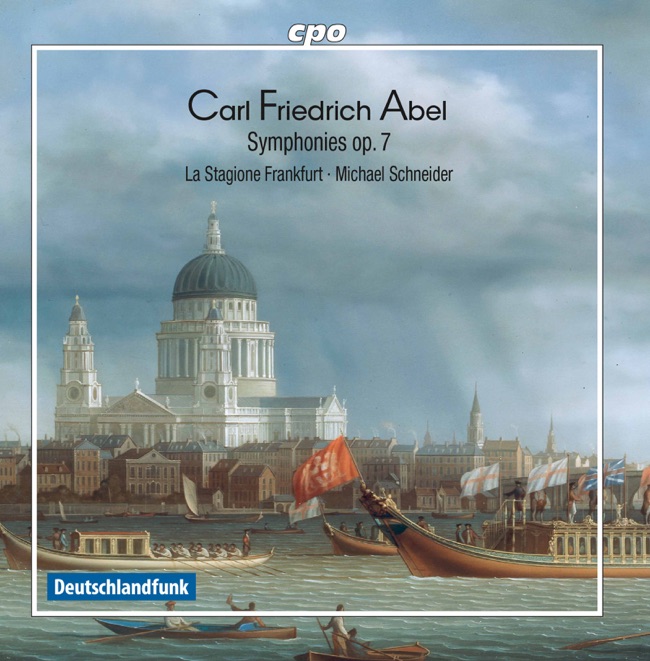 April 7, 2017
 -
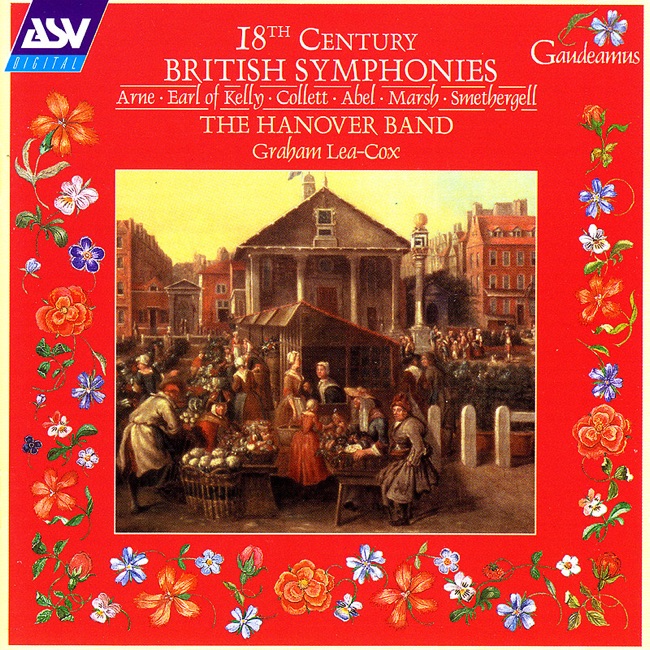 April 24, 2001
 -
 April, 1994
Concerto
-
-
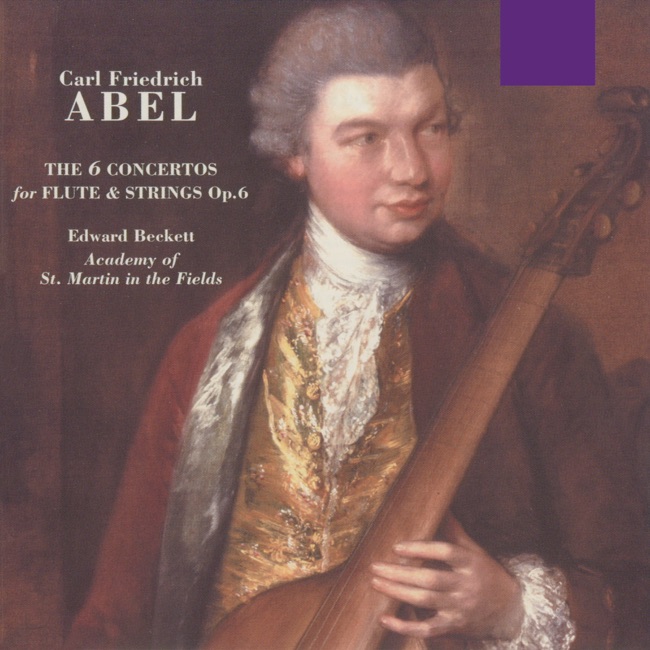
-
 May 27, 2003
 -
 March 1, 2003
 -
 May 31, 1994
Miscellaneous
Artist Info
Role:ComposerCountry: GermanyBirth:December 22, 1723 in CöthenDeath:June 20, 1787 in London, EnglandPeriod:ClassicalGenre:ChamberOrchestralSymphonyCarl Friedrich Abel was a German composer and viola da gamba player who lived from 1723 to 1787. He was born in Köthen, Germany, the son of Christian Ferdinand Abel, a court musician. Abel showed an early aptitude for music and began studying the viola da gamba at a young age. He later studied with Johann Sebastian Bach, who was the court musician in Köthen at the time. Abel began his professional career as a musician in 1748, when he joined the court orchestra in Dresden. He quickly established himself as a skilled performer and composer, and he became known for his virtuosic playing on the viola da gamba. In 1759, he was appointed as the principal viola da gamba player in the court orchestra of the Elector of Hanover, who would later become King George III of England. Abel's career in England was highly successful, and he became one of the most prominent musicians in the country. He performed regularly at the concerts of the Bach-Abel concerts, which he co-founded with Johann Christian Bach. These concerts were highly popular and featured the music of both composers, as well as other contemporary composers. As a composer, Abel was known for his chamber music, particularly his works for the viola da gamba. He wrote a number of sonatas, duets, and trios for the instrument, as well as several concertos. His music was highly regarded for its elegance and refinement, and it was often compared favorably to the works of his contemporaries, including Bach and Handel. One of Abel's most famous works is his Symphony in C major, Op. 10, No. 4. This piece is notable for its use of the Mannheim rocket, a musical technique that was popular in the Mannheim school of composers. The Mannheim rocket is a rapid ascending arpeggio that creates a sense of tension and excitement in the music. Abel's use of this technique in his Symphony in C major helped to establish it as one of the most popular works of the classical era. Another notable work by Abel is his Sonata in G minor for viola da gamba and continuo. This piece is a beautiful example of Abel's skill as a composer and performer on the viola da gamba. It features a lyrical melody that is accompanied by a simple, yet elegant, bass line. The piece is a testament to Abel's ability to create music that is both technically challenging and emotionally expressive. Abel's music was highly influential in the development of classical music, particularly in the development of the sonata form. His works were admired by many of his contemporaries, including Mozart, who was known to have studied Abel's music. Abel's legacy as a composer and performer on the viola da gamba continues to be celebrated today, and his music remains an important part of the classical repertoire.More....
Recent Artist Music
3
2:58
8
2:56
10
4:52

13
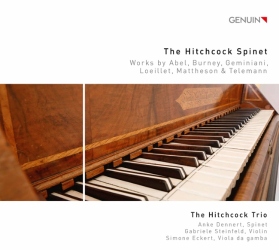
Trio for violin, viola da gamba & cello in G major (Ledenburg MS, attrib.), A5:4A
Allegro ma non troppo
4:50




Copyright Ⓒ 2013 Davinci Finger. All rights reseved
Service Terms & Policy