


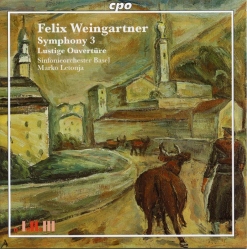
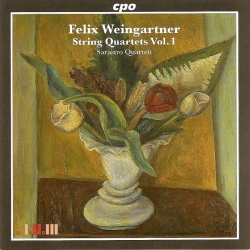
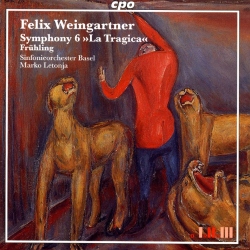
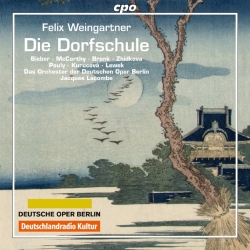
Felix Weingartner
Released Album
Symphony
-
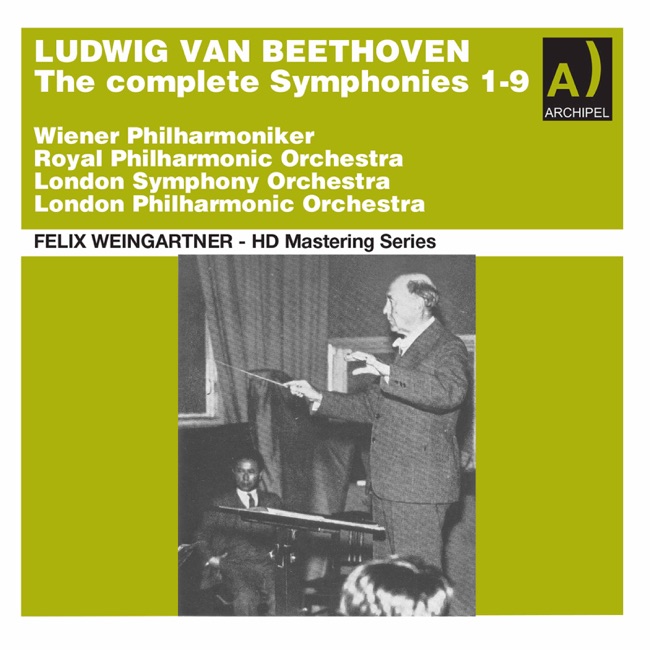 January 7, 2022
 -
 January 18, 2013
 -
 January 29, 2008
 -
 January 1, 2008
 -
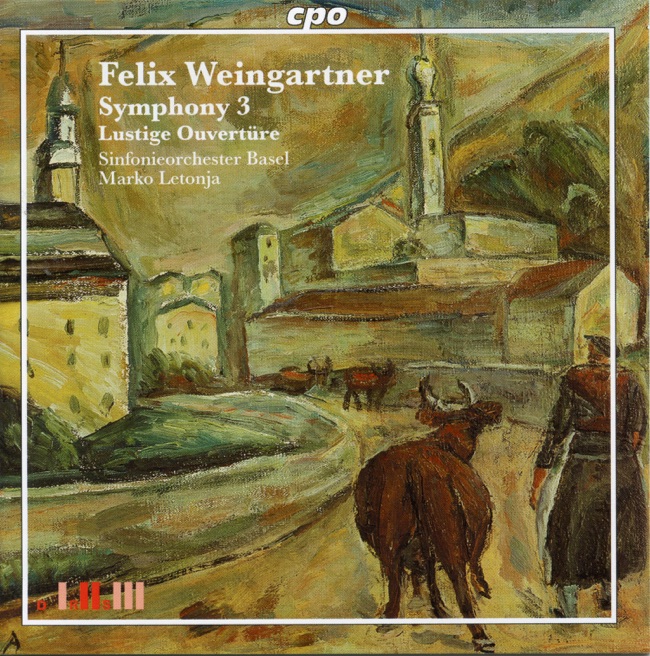 June 27, 2006
 -
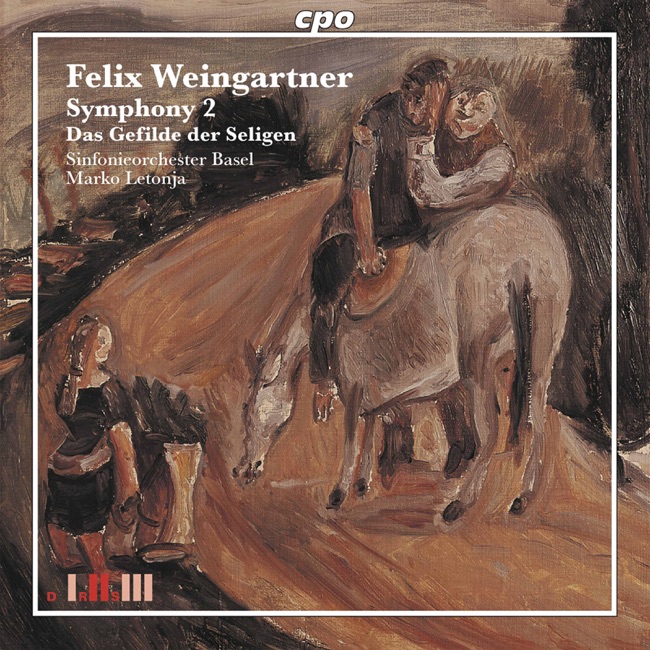 January 17, 2006
Orchestral
-
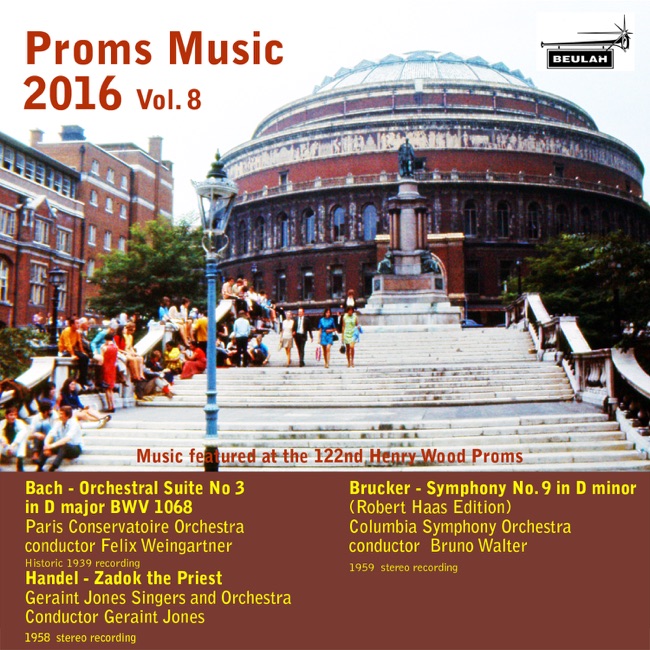 July 29, 2016
 -
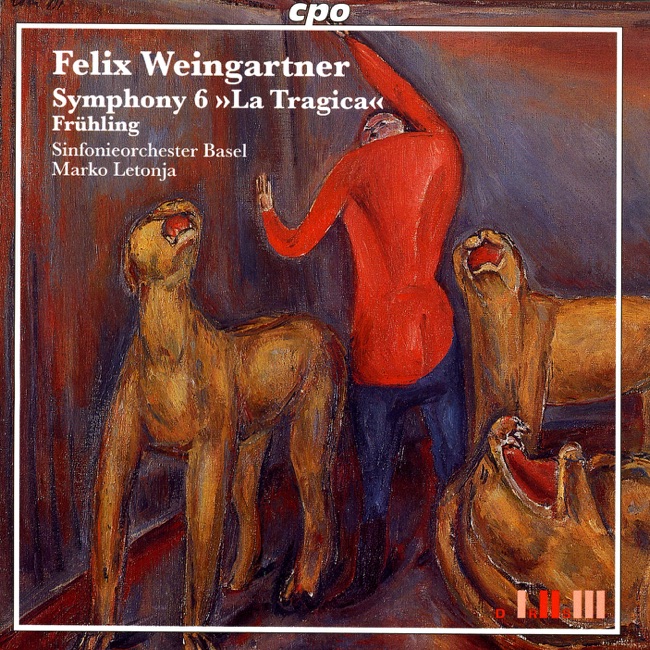
-
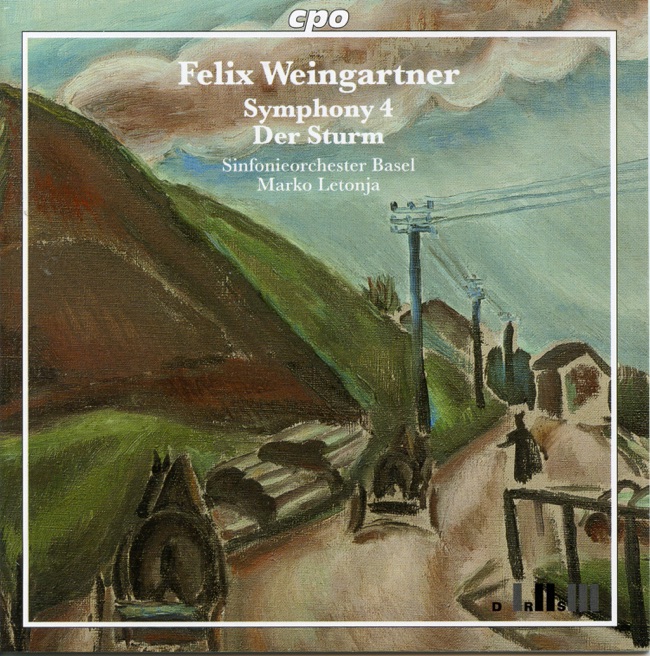 June 21, 2005
 -
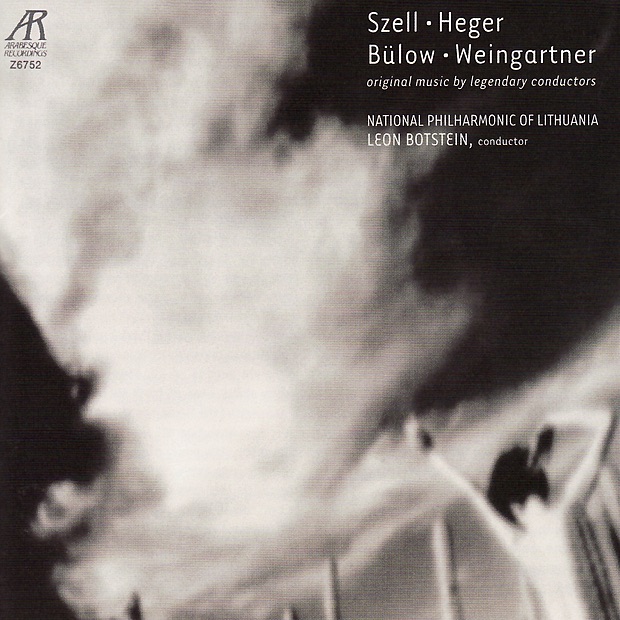
-
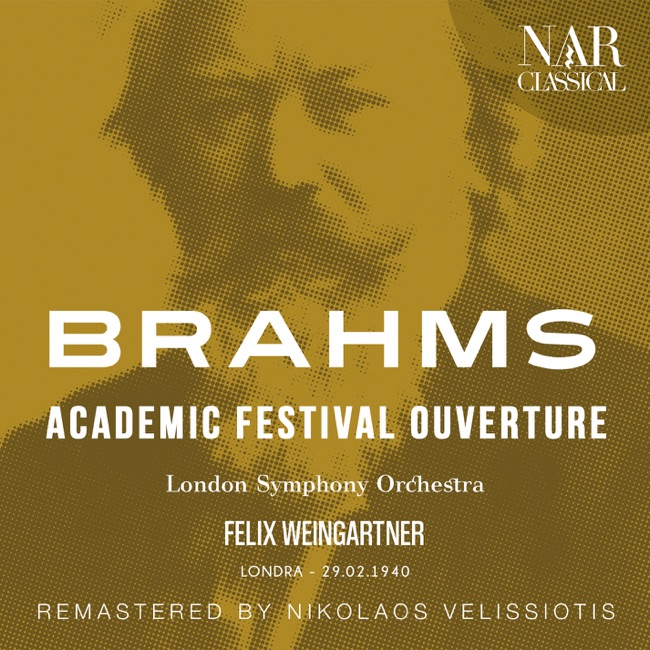 January 1, 1996
 -
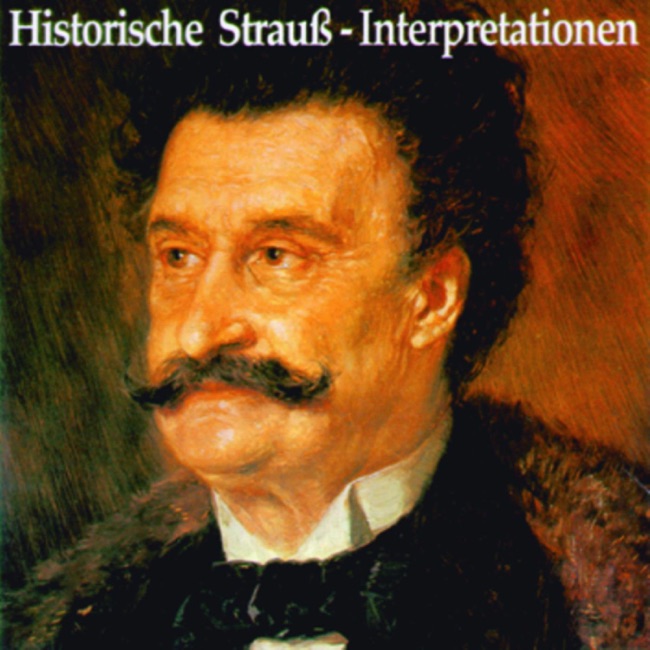 June 12, 1992
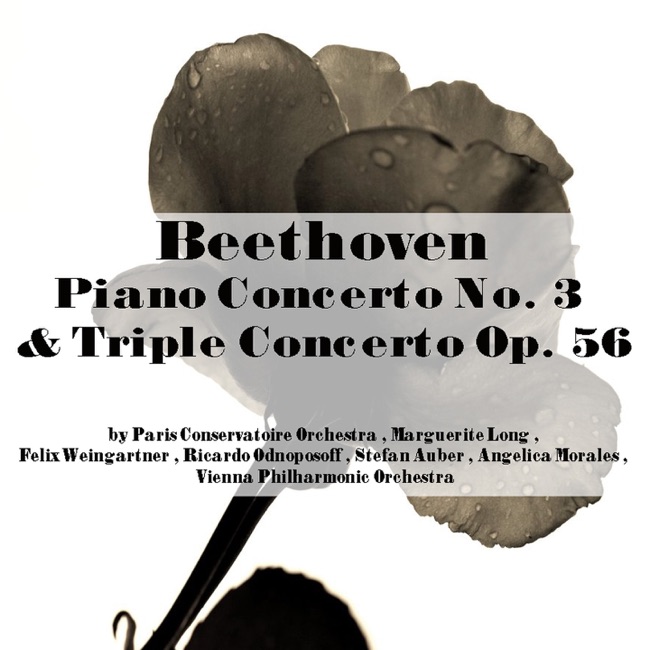
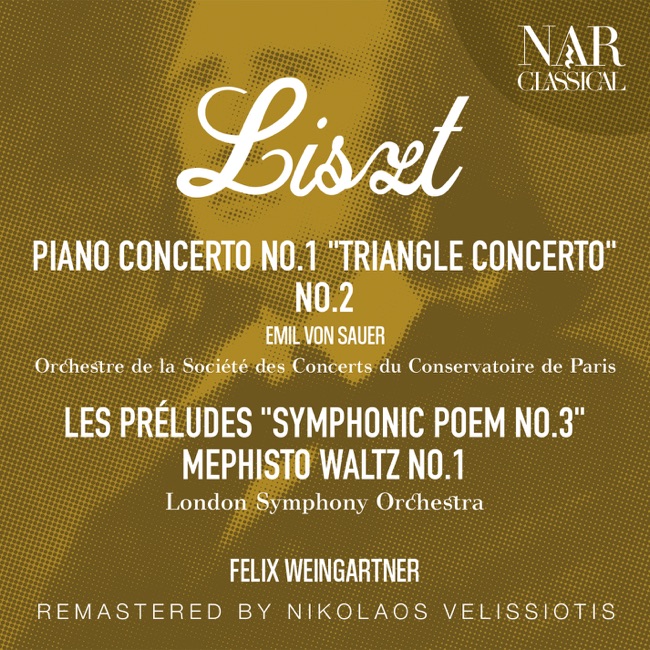
Artist Info
Role:Composer ConductorCountry: AustriaBirth:February 6, 1863 in Zara, YugoslaviaDeath:July 5, 1942 in Winterthur, SwitzerlandPeriod:ClassicalRomanticModernGenre:OrchestralSymphonyFelix Weingartner was a prominent Austrian conductor, composer, and pianist who made significant contributions to the world of classical music during the late 19th and early 20th centuries. He was born on June 2, 1863, in Zara, Dalmatia, which was then a part of the Austro-Hungarian Empire. His father was a military bandmaster, and his mother was a singer. Weingartner showed an early interest in music and began playing the piano at the age of five. Weingartner's family moved to Graz, Austria, when he was nine years old, and he continued his musical education there. He studied piano with Julius Epstein and composition with Wilhelm Mayer. He also attended the Vienna Conservatory, where he studied conducting with Hans Richter and composition with Robert Fuchs. Weingartner made his debut as a pianist in 1880, and his first composition, a piano quartet, was performed in 1883. In 1885, Weingartner became the conductor of the Kaim Orchestra in Munich, Germany. He quickly gained a reputation as a skilled conductor and was appointed the conductor of the Royal Opera in Berlin in 1891. He also conducted the Berlin Philharmonic Orchestra and the Vienna Philharmonic Orchestra during this time. Weingartner's conducting style was characterized by his attention to detail and his ability to bring out the nuances of a piece of music. Weingartner's career as a conductor continued to flourish, and he was appointed the conductor of the Vienna Court Opera in 1908. He held this position until 1911, when he resigned due to disagreements with the management. Weingartner then became the conductor of the Munich Court Opera, where he remained until 1920. During this time, he also conducted the London Symphony Orchestra and the New York Philharmonic Orchestra. Weingartner was also a prolific composer, and his works include operas, symphonies, chamber music, and songs. His most famous composition is his Symphony No. 5 in E minor, which was premiered in 1902. Weingartner's music is characterized by its Romantic style and its use of rich harmonies and orchestration. In addition to his conducting and composing, Weingartner was also a respected music educator. He taught at the Vienna Conservatory and the Munich Academy of Music, and he wrote several books on music theory and conducting. Weingartner's most famous book is his treatise on conducting, which was published in 1927 and is still considered a classic in the field. Weingartner's career was marked by several notable performances and awards. In 1905, he conducted the premiere of Richard Strauss's opera Salome in Dresden, Germany. He also conducted the premiere of Strauss's opera Elektra in 1909. Weingartner was awarded the Order of the Red Eagle by the German Emperor in 1909, and he was knighted by the British King George V in 1912. Weingartner's career began to decline in the 1920s, and he struggled to find work as a conductor. He moved to Switzerland in 1927 and continued to compose and conduct there. He also became interested in theosophy and wrote several books on the subject. Weingartner died on May 7, 1942, in Winterthur, Switzerland, at the age of 78. In conclusion, Felix Weingartner was a highly influential figure in the world of classical music during the late 19th and early 20th centuries. His career as a conductor, composer, and music educator spanned several decades and included many notable performances and awards.More....
Recent Artist Music
2
10:14
3
17:16
11
8:14
13
8:


Copyright Ⓒ 2013 Davinci Finger. All rights reseved
Service Terms & Policy