


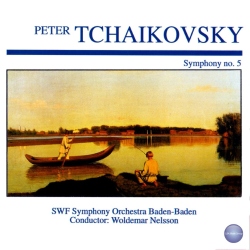
Woldemar Nelsson
Released Album
Symphony
-
 May 4, 2020
 -
 April 13, 2020
 -
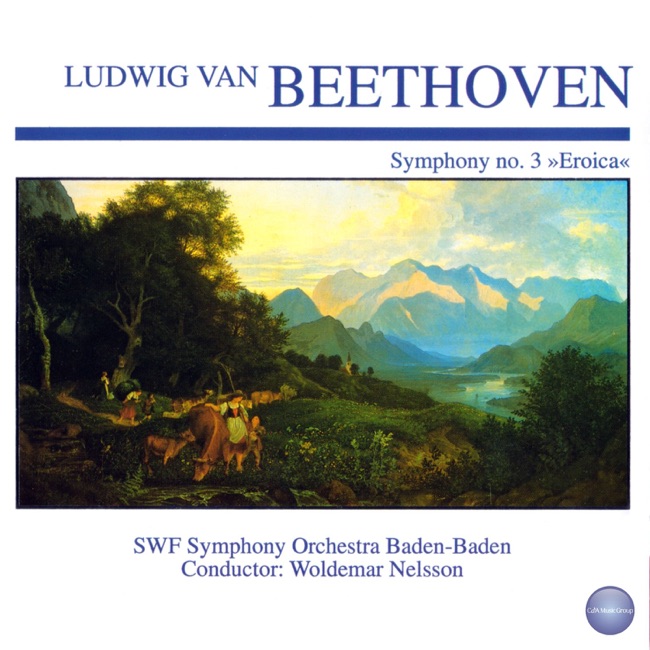 June 23, 2017
 -
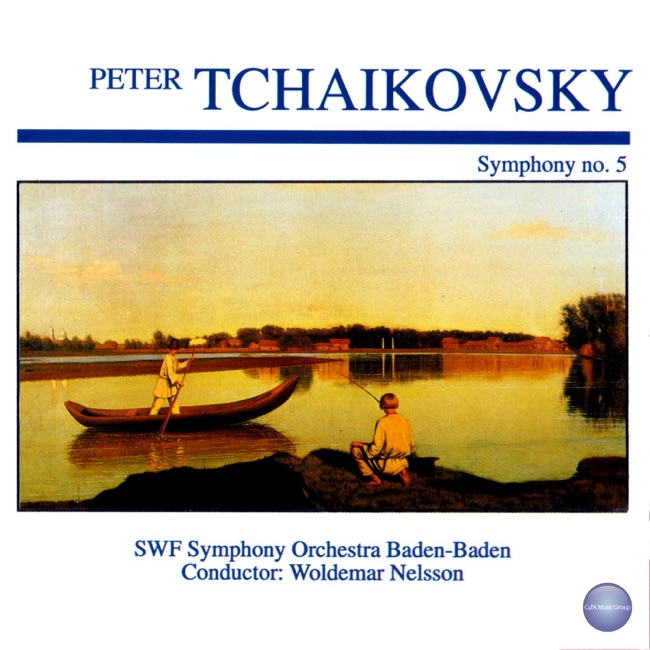 June 23, 2017
 -
 May 18, 2015
 -
 March 18, 2015
Opera
-
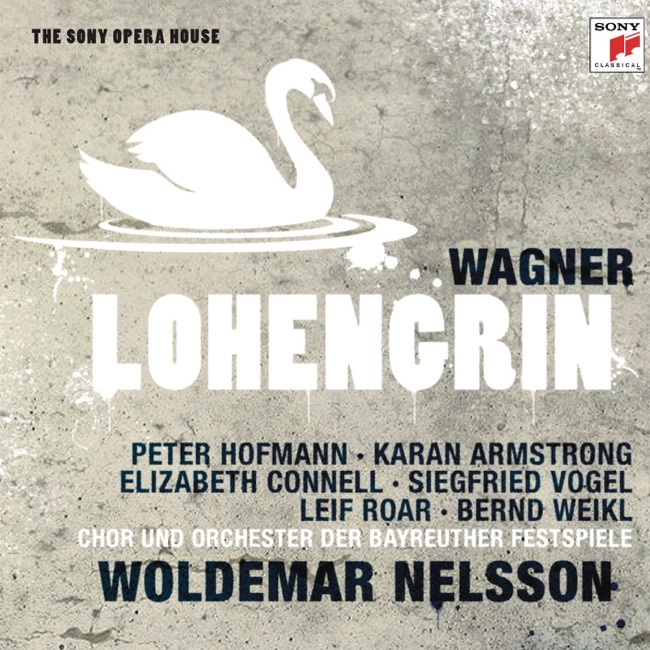 May 17, 1990
Concerto
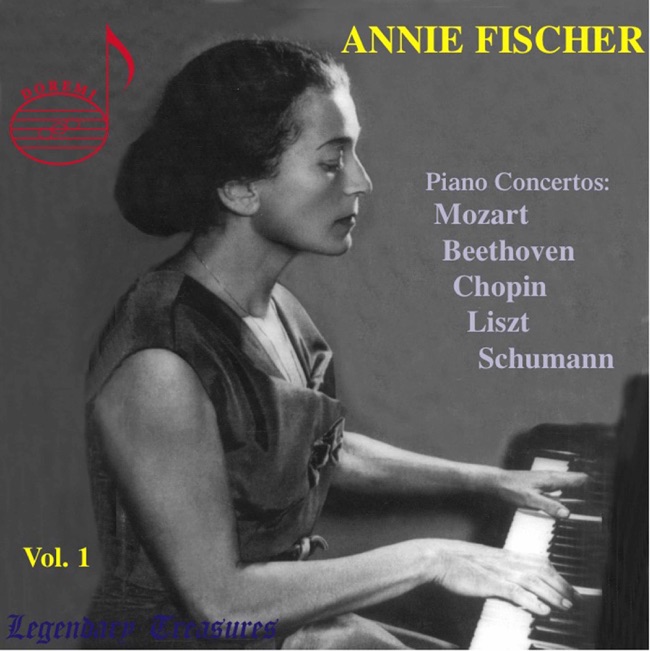
Artist Info
Role:Conductor PerformerPeriod:RomanticGenre:OperaWoldemar Nelsson was a renowned classical music artist who made significant contributions to the world of music. He was born on August 22, 1874, in Stockholm, Sweden. Nelsson was the son of a music teacher, and he grew up in a musical family. His father, Gustaf Nelsson, was a well-known violinist and conductor, and his mother, Anna, was a pianist. Nelsson showed an early interest in music and began playing the piano at a young age. He received his first formal music education from his father and later studied at the Royal College of Music in Stockholm. Nelsson was a gifted pianist, and his talent was recognized early on. He won several awards and scholarships, which allowed him to continue his studies in Germany. In 1896, Nelsson moved to Berlin to study with the renowned pianist and composer, Ferruccio Busoni. Busoni was a significant influence on Nelsson's musical style, and he encouraged him to explore new techniques and approaches to music. Nelsson's time in Berlin was a period of intense musical growth, and he developed a reputation as a talented and innovative pianist. Nelsson's career as a performer began in earnest in the early 1900s. He made his debut as a soloist with the Berlin Philharmonic Orchestra in 1902, performing Beethoven's Piano Concerto No. 4. The performance was a critical success, and Nelsson was praised for his technical skill and musicality. He went on to perform with many of the world's leading orchestras, including the London Symphony Orchestra, the New York Philharmonic, and the Vienna Philharmonic. Nelsson was also a prolific composer, and he wrote music in a variety of genres, including orchestral works, chamber music, and solo piano pieces. His compositions were influenced by his experiences as a performer, and he often incorporated elements of improvisation and experimentation into his music. Nelsson's most famous works include his Piano Concerto No. 1, his Sonata for Violin and Piano, and his Suite for Orchestra. Throughout his career, Nelsson received numerous awards and honors for his contributions to music. In 1912, he was awarded the Litteris et Artibus medal by the Swedish government for his achievements in music. He was also a member of the Royal Swedish Academy of Music and the Royal Academy of Music in London. Nelsson's career was interrupted by the outbreak of World War I, and he returned to Sweden in 1914. He continued to perform and compose, but his output was limited by the war and its aftermath. Nelsson's health also began to decline in the 1920s, and he suffered from a series of strokes that left him partially paralyzed. Despite his health problems, Nelsson continued to work and perform until his death in 1955. He remained an influential figure in the world of music, and his innovative approach to composition and performance inspired generations of musicians. Today, Nelsson is remembered as one of the most important classical music artists of the 20th century, and his legacy continues to inspire and influence musicians around the world.More....
Recent Artist Music


Copyright Ⓒ 2013 Davinci Finger. All rights reseved
Service Terms & Policy