


Georg Philipp Telemann
Sonata for flute & continuo in D major No. 2, TWV 41:D9
Released Album
Recent Album

Featured Album
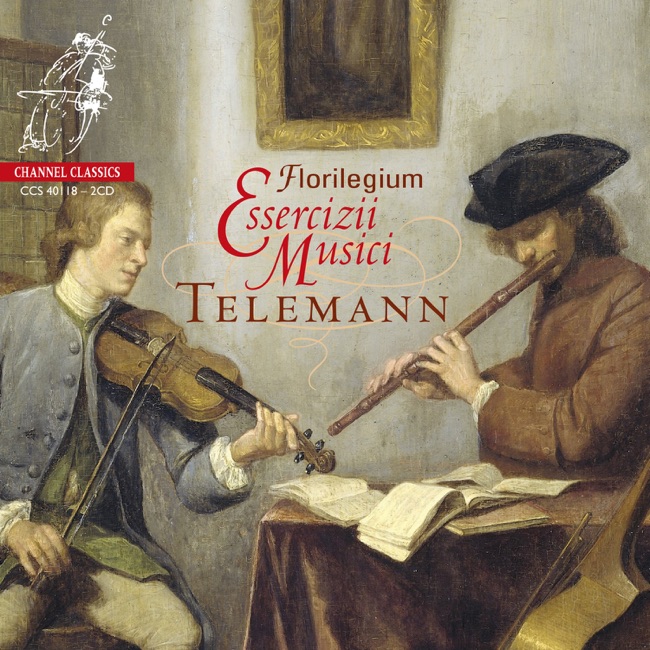
Works Info
Composer:Georg Philipp TelemannGenre:ChamberStyle:SonataCompose Date:1740Publication Date:1740Average_duration:12:19Movement_count:4Movement ....Georg Philipp Telemann's Sonata for flute & continuo in D major No. 2, TWV 41:D9, is a Baroque composition that was composed in the early 18th century. The exact date of composition is unknown, but it is believed to have been written between 1717 and 1721. The sonata is one of Telemann's most popular works and is frequently performed by flutists around the world. The sonata is comprised of four movements: Vivace, Largo, Allegro, and Affettuoso. The first movement, Vivace, is a lively and energetic piece that showcases the virtuosity of the flute. The second movement, Largo, is a slow and expressive piece that features a beautiful melody played by the flute. The third movement, Allegro, is a fast and lively piece that is full of energy and excitement. The final movement, Affettuoso, is a slow and emotional piece that brings the sonata to a beautiful and poignant conclusion. The sonata is characterized by its use of the flute as the primary instrument, with the continuo providing a supportive and complementary role. The flute part is highly virtuosic and requires a skilled performer to execute the fast runs and intricate ornamentation. The continuo part is typically played on a harpsichord or other keyboard instrument and provides a harmonic foundation for the flute. Overall, Telemann's Sonata for flute & continuo in D major No. 2, TWV 41:D9, is a beautiful and engaging work that showcases the talents of both the flute and the composer. Its popularity has endured for centuries, and it remains a beloved piece in the repertoire of classical music.More....
Works Music
Released Music
1
2:33
2

2:30
3

2:56
4
2:56
5

2:30
Featured Music
1
2:58
2
4:3
3
3:14
4
3:5