Franz Joseph Haydn
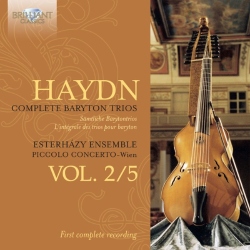
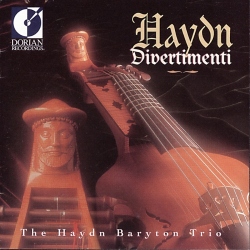
Baryton Trio in D minor/D major, H. 11/52
Released Album
Recent Album
Works Info
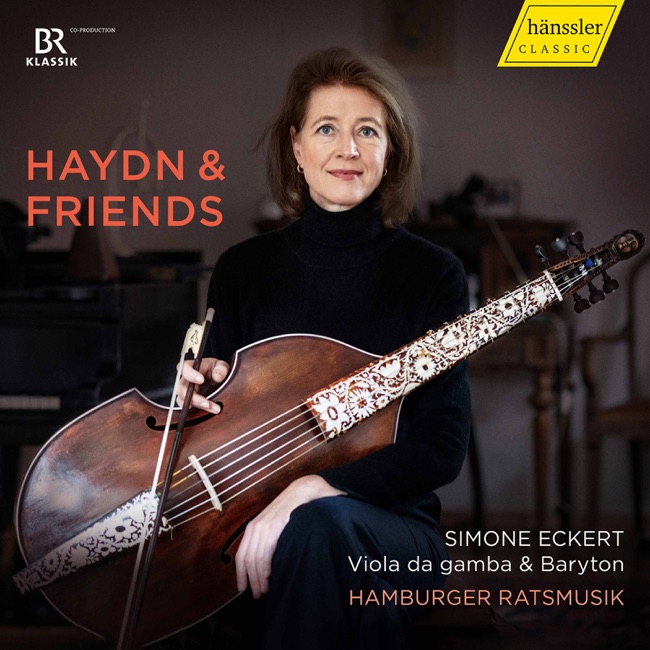
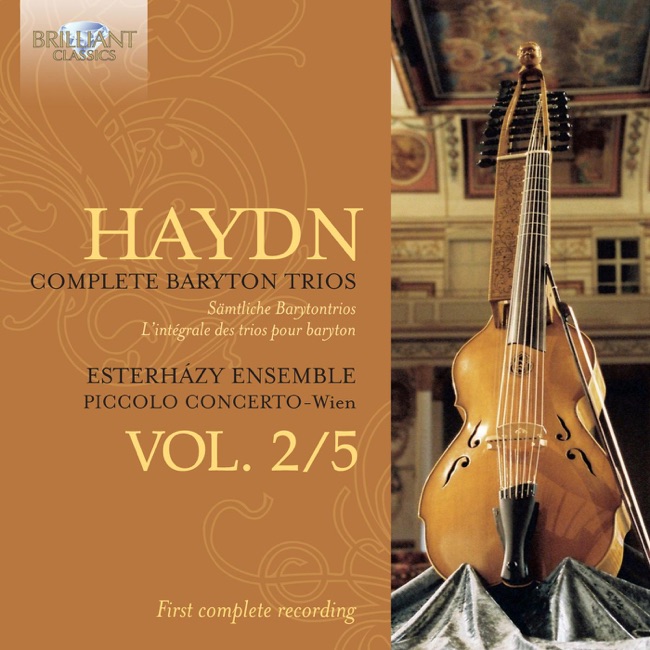
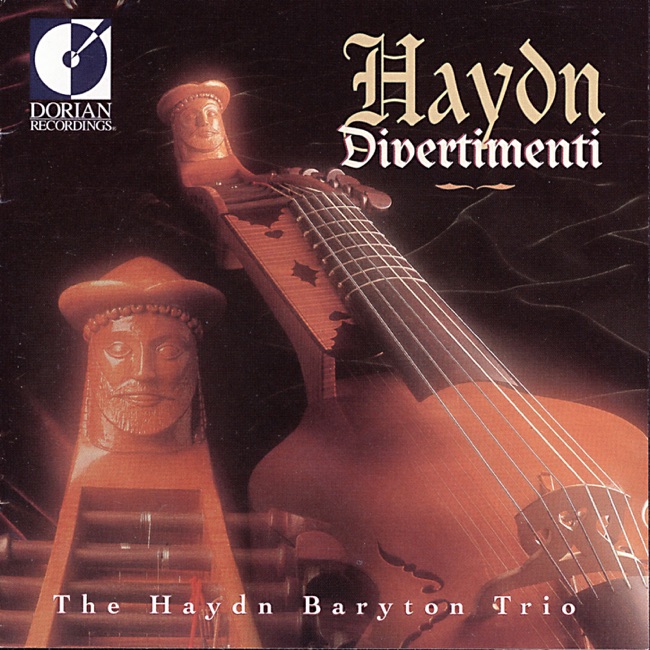
Composer:Franz Joseph HaydnGenre:ChamberStyle:Chamber MusicAverage_duration:8:58Movement_count:3Movement ....Franz Joseph Haydn's Baryton Trio in D minor/D major, H. 11/52, was composed in the late 1760s for Prince Nikolaus Esterházy, who was an avid player of the baryton, a stringed instrument similar to the viola da gamba. The piece was likely premiered at the Esterházy court in Eisenstadt, Austria, where Haydn was employed as a court musician. The Baryton Trio is comprised of three movements: an opening Allegro moderato in D minor, a central Andante in D major, and a closing Minuet and Trio in D minor. The piece is scored for baryton, viola, and cello, with the baryton taking the lead role and the viola and cello providing accompaniment. The first movement opens with a dramatic, syncopated theme in the baryton, which is then echoed by the viola and cello. The music is characterized by its dark, brooding quality, with frequent use of minor keys and dissonant harmonies. The second theme, in D major, provides a brief respite from the tension before the music returns to the minor mode for the development section. The movement concludes with a recapitulation of the opening material, followed by a brief coda. The second movement, in D major, is a lyrical Andante that features a beautiful melody in the baryton, accompanied by gentle pizzicato figures in the viola and cello. The music is characterized by its simplicity and elegance, with a sense of serenity and calm. The final movement is a lively Minuet and Trio in D minor, with a playful, dance-like character. The baryton takes the lead in the opening section, with the viola and cello providing rhythmic support. The Trio section, in D major, provides a contrast to the minor-mode Minuet, with a more relaxed, pastoral character. The movement concludes with a return to the Minuet, which is then followed by a brief coda. Overall, the Baryton Trio in D minor/D major is a masterful example of Haydn's chamber music, showcasing his skill in writing for unusual instrumental combinations and his ability to create a wide range of moods and emotions within a single work. The piece is notable for its use of the baryton, an instrument that is rarely heard in modern performances, and for its rich, complex harmonies and textures.More....
Works Music
Released Music