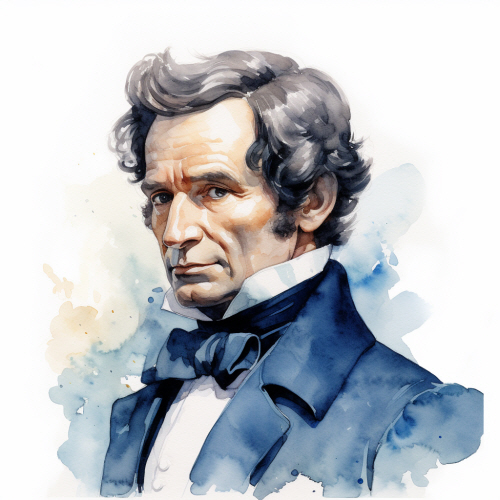
Hector Berlioz
Elégie en prose, H. 47, Op. 2/9
Released Album
Recent Album
Works Info
Composer:Hector BerliozGenre:VocalStyle:Vocal MusicCompose Date:Dec 1829Average_duration:4:33Elégie en prose, H. 47, Op. 2/9 is a composition by the French composer Hector Berlioz. It was composed in 1829 and premiered on January 26, 1830, at the Paris Conservatory. The piece is a setting of a poem by the French writer Charles-Augustin Sainte-Beuve. The composition is divided into three movements. The first movement is marked "Lento" and is characterized by a mournful melody played by the violins. The second movement is marked "Allegretto" and features a more lively melody played by the woodwinds. The final movement is marked "Lento" and returns to the mournful melody of the first movement. The piece is notable for its use of chromaticism and dissonance, which were unusual for the time. Berlioz was known for his innovative approach to harmony and orchestration, and Elégie en prose is a prime example of his unique style. The composition is also notable for its emotional intensity. The mournful melody and dissonant harmonies create a sense of sadness and despair, which is further emphasized by the text of the poem. The poem is a lament for a lost love, and Berlioz's music captures the pain and longing expressed in the words. Overall, Elégie en prose, H. 47, Op. 2/9 is a powerful and emotional composition that showcases Berlioz's innovative approach to harmony and orchestration. Its use of chromaticism and dissonance was ahead of its time, and its emotional intensity continues to resonate with audiences today.More....
Works Music
Released Music
5
4:53
6
4:38