


Tomás Luis de Victoria
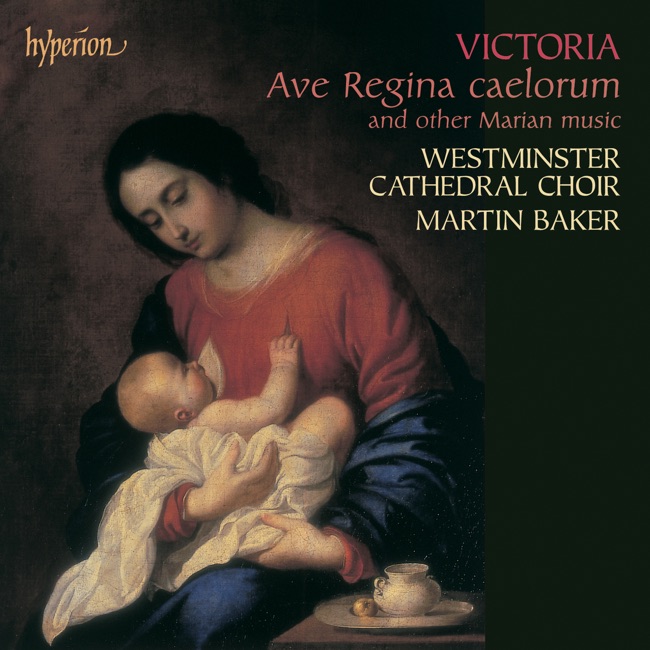
Ave regina coelorum, antiphon for 8 voices & organ
Released Album
Recent Album
Featured Album
Works Info
Composer:Tomás Luis de VictoriaGenre:ChoralStyle:ChoralPublication Date:1581Average_duration:3:57Tomás Luis de Victoria was a Spanish composer of the Renaissance period, known for his sacred music. One of his most famous works is the antiphon "Ave regina coelorum," which was composed in the late 16th century. The antiphon is written for eight voices and organ, and is dedicated to the Virgin Mary. It is believed to have been composed during Victoria's time as the chapel master at the Collegium Germanicum in Rome. The piece is divided into four movements, each of which is based on a different section of the antiphon. The first movement is a simple and elegant setting of the opening words, "Ave regina coelorum." The second movement is more complex, with intricate polyphony and a soaring soprano line. The third movement is a gentle and contemplative setting of the words "O clemens, o pia," which means "O merciful, O loving." The final movement is a joyful and exuberant setting of the closing words, "Gaude et laetare, Virgo Maria," which means "Rejoice and be glad, Virgin Mary." Throughout the piece, Victoria uses a variety of musical techniques to convey the meaning of the text. He employs rich harmonies, intricate counterpoint, and expressive melodic lines to create a sense of reverence and awe. The organ part is also an integral part of the composition, providing a rich and resonant accompaniment to the voices. The premiere of "Ave regina coelorum" is not known, but it is believed to have been performed in Rome during Victoria's time there. The piece has since become a staple of the choral repertoire, and is still performed and recorded today. Its enduring popularity is a testament to Victoria's skill as a composer and his ability to create music that speaks to the soul.More....
Works Music
Released Music
2
4:37
3
3:13
Featured Music
