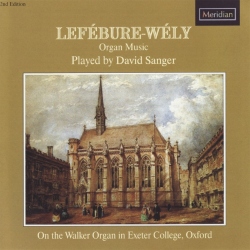
Louis James Alfred Lefébure-Wély
March for organ in E flat
Released Album
Recent Album
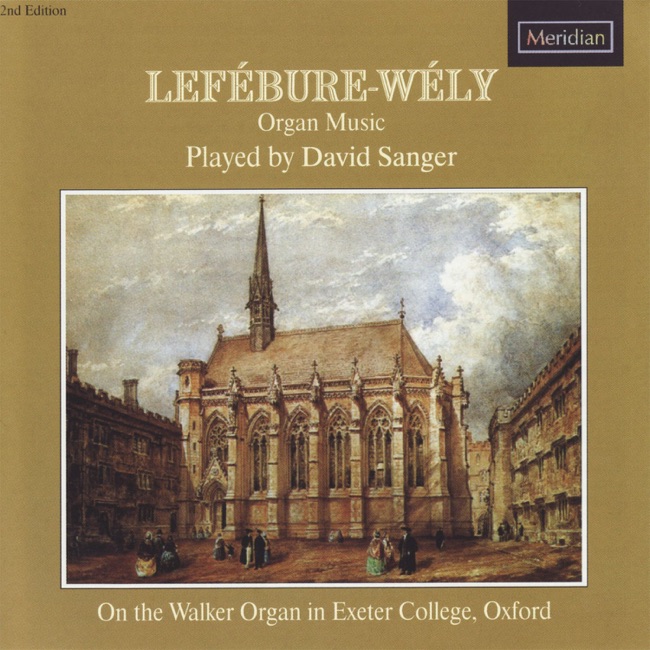
Works Info
Composer:Louis James Alfred Lefébure-WélyGenre:KeyboardStyle:MarchAverage_duration:7:28Louis James Alfred Lefébure-Wély was a French organist and composer who lived from 1817 to 1869. He was known for his virtuosic organ playing and his innovative compositions, which combined elements of classical music with popular dance forms. One of Lefébure-Wély's most famous works is his "March for organ in E flat," which was composed in the mid-19th century. The piece is a lively and energetic march that showcases the power and versatility of the organ. The "March for organ in E flat" is typically performed in three movements. The first movement is marked "Allegro," and features a bold and triumphant melody that is played by the organ's trumpet stops. The second movement is marked "Andante," and is more subdued and introspective. It features a lyrical melody that is played by the organ's flute stops. The final movement is marked "Allegro vivace," and is a return to the energetic and lively character of the first movement. It features a virtuosic organ solo that is played over a driving bass line. One of the characteristics of Lefébure-Wély's "March for organ in E flat" is its use of contrasting textures and timbres. The piece features a wide range of organ stops, from the bright and brassy trumpet stops to the soft and delicate flute stops. This creates a rich and varied sound that keeps the listener engaged throughout the piece. Another characteristic of the "March for organ in E flat" is its use of syncopated rhythms and unexpected accents. This gives the piece a lively and playful character that is typical of many of Lefébure-Wély's compositions. The "March for organ in E flat" premiered in the mid-19th century and quickly became one of Lefébure-Wély's most popular works. It remains a staple of the organ repertoire to this day, and is frequently performed in recitals and church services around the world.More....
Works Music