


Louis James Alfred Lefébure-Wély
Released Album
Keyboard
-
 May 15, 2024
 -
 November 9, 2022
 -
 July 29, 2022
 -
 November 6, 2020
 -
 January 11, 2019
 -
 August 11, 2017
Artist Info
Role:ComposerCountry: FranceBirth:November 13, 1817 in Paris, FranceDeath:December 31, 1869 in Paris, FrancePeriod:RomanticGenre:ChoralKeyboardLouis James Alfred Lefébure-Wély was a French composer, organist, and pianist who lived from 13 November 1817 to 31 December 1869. He was born in Paris, France, to a family of musicians. His father, Louis Lefébure-Wély, was a composer and pianist, and his mother, Marie-Joséphine Laurens, was a singer. Louis James Alfred Lefébure-Wély showed an early interest in music and began studying the piano and organ at a young age. Lefébure-Wély's musical education began at the Paris Conservatory, where he studied under François Benoist, a renowned organist and composer. He quickly distinguished himself as a talented musician and won several prizes for his performances. In 1839, at the age of 22, he was appointed the organist at the Church of Saint-Roch in Paris, a position he held for the rest of his life. As an organist, Lefébure-Wély was known for his virtuosic performances and his ability to improvise. He was particularly skilled at improvising on popular tunes of the day, and his improvisations often incorporated elements of dance music and other popular styles. He was also known for his use of the organ's various stops and effects, which he used to create a wide range of sounds and textures. In addition to his work as an organist, Lefébure-Wély was also a prolific composer. He wrote music for the organ, piano, and other instruments, as well as vocal music and operas. His compositions were often characterized by their light, elegant style and their use of popular dance rhythms. One of Lefébure-Wély's most famous works is his "Sortie in E-flat major," which is still frequently played in organ recitals today. The piece is a lively, energetic work that showcases the organ's capabilities and Lefébure-Wély's skill as a composer and performer. Another well-known work is his "Boléro de Concert," a piece for piano and orchestra that features a catchy, danceable melody and a virtuosic piano part. Lefébure-Wély's music was popular during his lifetime, and he was widely regarded as one of the leading composers and performers of his day. However, his reputation declined in the years following his death, and his music fell out of favor. It was not until the mid-20th century that his music began to be rediscovered and appreciated once again. Today, Lefébure-Wély is recognized as an important figure in the history of French music. His music is admired for its elegance, charm, and technical skill, and his contributions to the development of the organ as a solo instrument are widely recognized. His legacy continues to be celebrated through performances of his music and recordings of his works.More....
Recent Artist Music
2
5:16
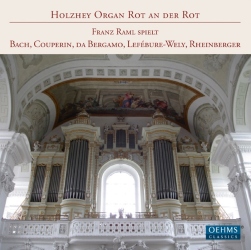
5
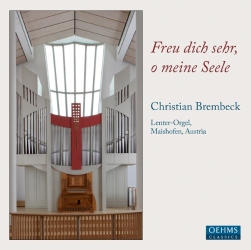
Andante for organ in F major "Choir of Human Voices," "Chorus of the Nuns"
Andante (Chœur des Voix humaines)
2:26
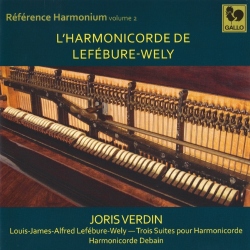
7
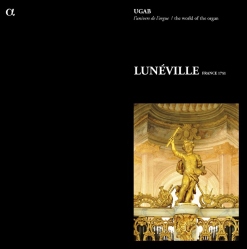
Scene pastorale pour an inauguration d'orgue or a fair de minute
Scène pastorale pour une inauguration d'orgue ou messe de minuit
12:9
8
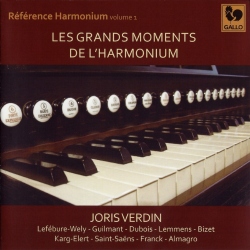
4:34
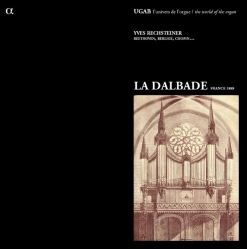
10
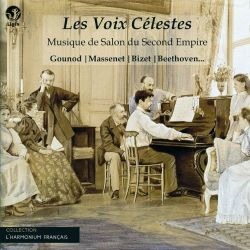
6:4
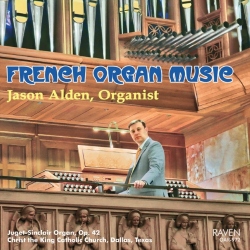
12
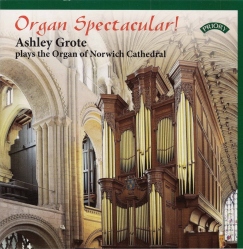
Andante for organ in F major "Choir of Human Voices," "Chorus of the Nuns"
Andante 'Choeur des voix humaines'
4:
15
4:22
Copyright Ⓒ 2013 Davinci Finger. All rights reseved
Service Terms & Policy