


Heinrich Schütz
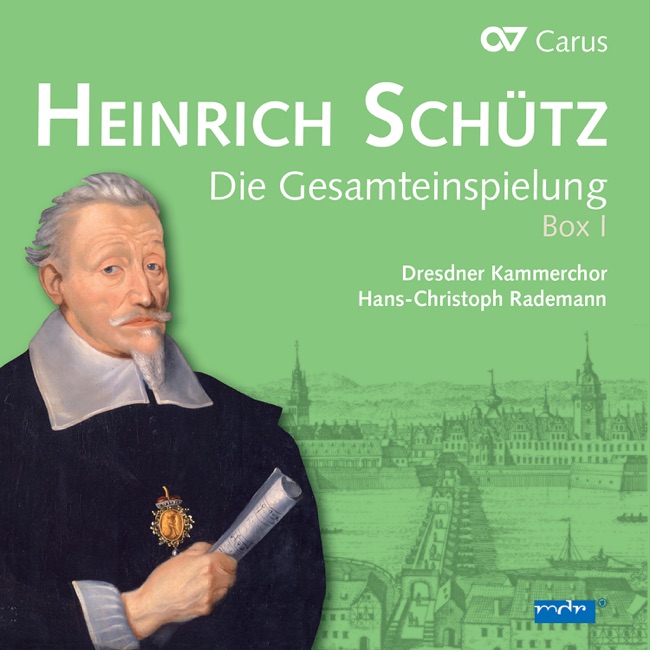
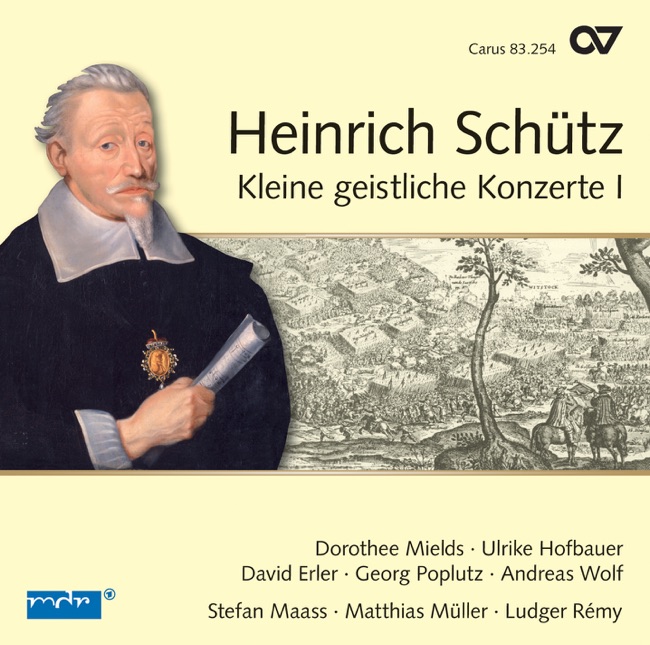
Die Gottseligkeit ist zu allen Dingen nütz, SWV 299 (Op. 8/18)
Released Album
Recent Album
Works Info
Composer:Heinrich SchützGenre:ChoralStyle:ChoralPublication Date:1636Average_duration:1:55Heinrich Schütz's 'Die Gottseligkeit ist zu allen Dingen nütz' (Op. 8/18, SWV 299) is a sacred vocal work composed in the early 17th century. The piece is written for five voices (SSATB) and is based on a text from the New Testament book of Timothy. The premiere date of the work is unknown, but it is believed to have been composed around 1625. The piece is divided into three movements, each with its own distinct character. The first movement is a lively and joyful setting of the text, with the voices weaving in and out of each other in a complex and intricate manner. The second movement is more contemplative, with a slower tempo and a more introspective mood. The final movement returns to the joyful character of the first, with the voices coming together in a triumphant and celebratory conclusion. One of the most notable characteristics of 'Die Gottseligkeit ist zu allen Dingen nütz' is its use of chromaticism. Schütz was one of the first composers to use chromaticism in a systematic way, and this piece is a prime example of his innovative approach. The chromaticism adds a sense of tension and drama to the music, and helps to convey the emotional depth of the text. Another characteristic of the piece is its use of word painting. Schütz was a master of word painting, and in this piece he uses musical gestures to illustrate the meaning of the text. For example, in the first movement, the voices imitate the sound of bells ringing to represent the idea of joy and celebration. Overall, 'Die Gottseligkeit ist zu allen Dingen nütz' is a masterful example of Schütz's skill as a composer. Its intricate counterpoint, innovative use of chromaticism, and expressive word painting make it a true masterpiece of the early Baroque era.More....
Works Music
Released Music
1
1:21
2
Godliness is useful for all things, SWV 299 (Op. 8/18)
Die Gottseligkeit ist zu allen Dingen nütz, SWV 299
1:21
Main Perform Artists
Soprano (Vocal)
Bass (Vocal)
Soprano (Vocal)