


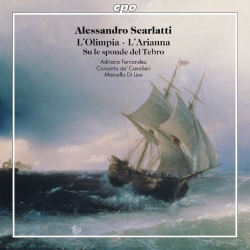
Alessandro Scarlatti
L'Arianna, chamber "Ebra d'amor fuggia"
Released Album
Recent Album
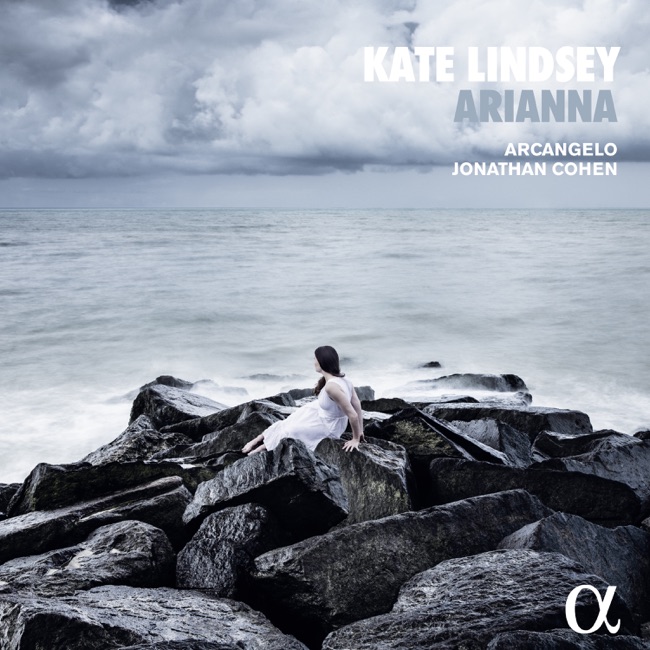
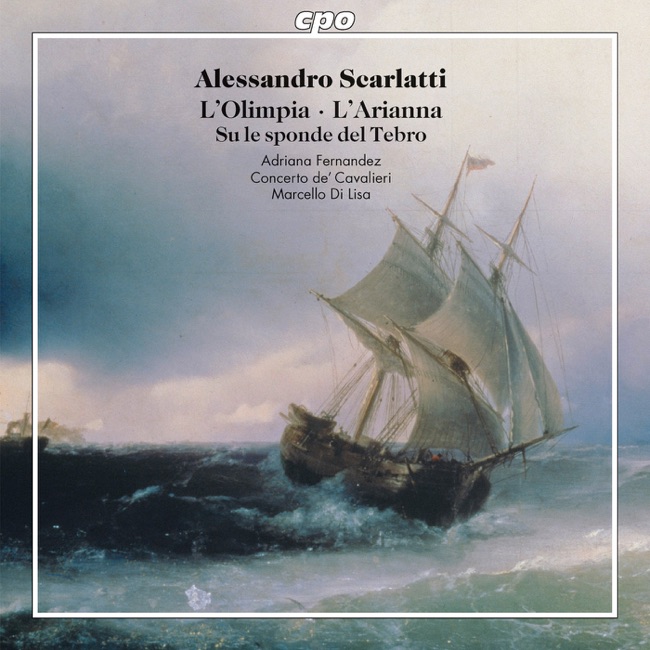
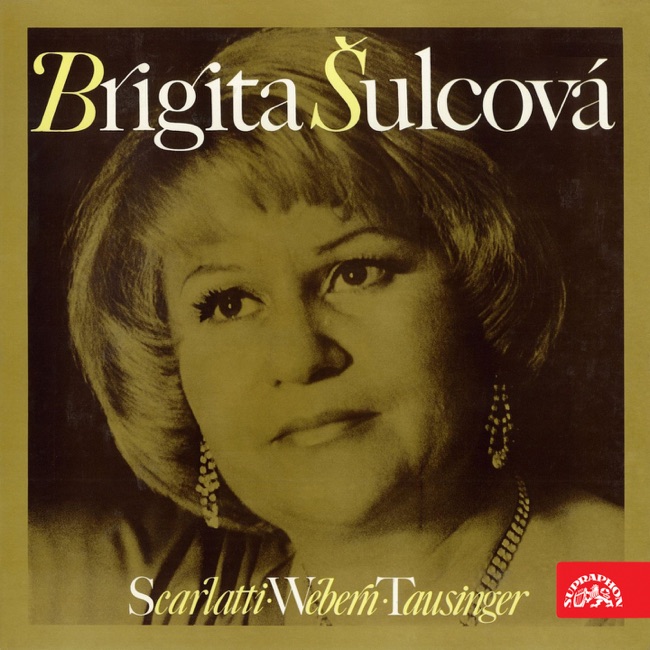
Works Info
Composer:Alessandro ScarlattiGenre:VocalStyle:CantataAverage_duration:20:09Movement_count:11Movement ....L'Arianna, chamber Ebra d'amor fuggia is a chamber cantata composed by Alessandro Scarlatti in the early 18th century. The cantata is based on the Greek myth of Ariadne, who was abandoned by her lover Theseus on the island of Naxos. The cantata is written for a solo soprano accompanied by a small ensemble of instruments, including a basso continuo, violins, and a viola. The cantata is divided into three movements. The first movement, "Ebra d'amor fuggia," is a recitative that sets the scene for the cantata. The soprano sings of Ariadne's despair and her longing for Theseus to return to her. The second movement, "Lasciami piangere," is an aria in which Ariadne laments her abandonment. The soprano's voice is accompanied by a mournful violin melody that underscores the sadness of the text. The final movement, "Ove son io," is another recitative in which Ariadne reflects on her situation and wonders what will become of her. The cantata is notable for its expressive use of melody and harmony. Scarlatti's music captures the emotional intensity of Ariadne's plight, with the soprano's voice rising and falling in dramatic arcs. The use of dissonance and chromaticism adds to the sense of tension and despair in the music. The cantata also showcases Scarlatti's skill in writing for the voice, with the soprano's vocal line weaving in and out of the instrumental accompaniment. L'Arianna, chamber Ebra d'amor fuggia was likely composed in the early 1700s, although the exact date of composition is unknown. The cantata was likely premiered in a private setting, as was common for chamber music of the time. Today, the cantata is considered a masterpiece of Baroque vocal music and is frequently performed and recorded.More....
Works Music
Released Music
1
The Arianna, chamber "Ebra d'amor fuggia"
I. Introduzione: Allegrissimo — Allegro & II. Recitativo Ebra d'amor fuggia
3:10
3
21:37