George Frederick Handel
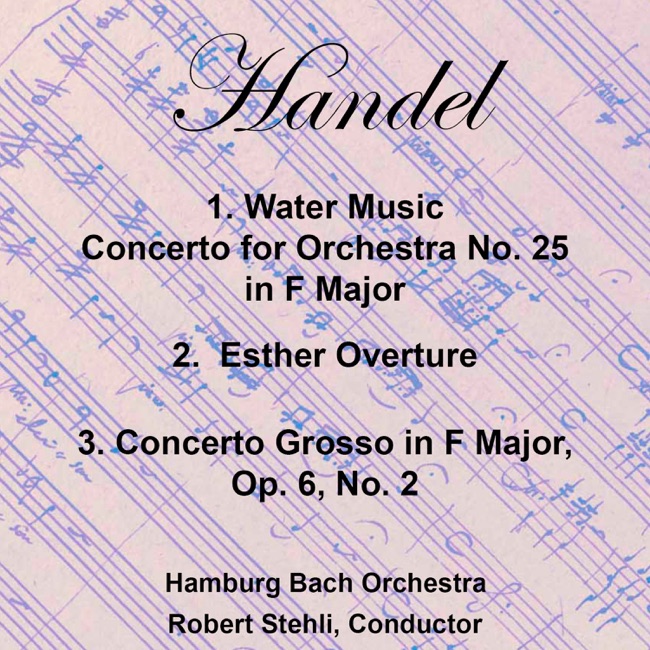
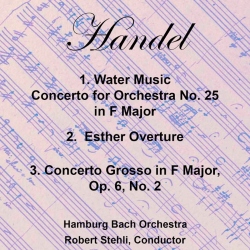
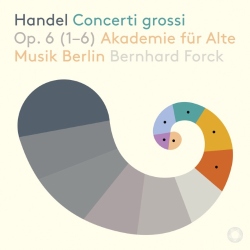
Concerto Grosso in F major, Op. 6/2, HWV 320
Released Album
Recent Album

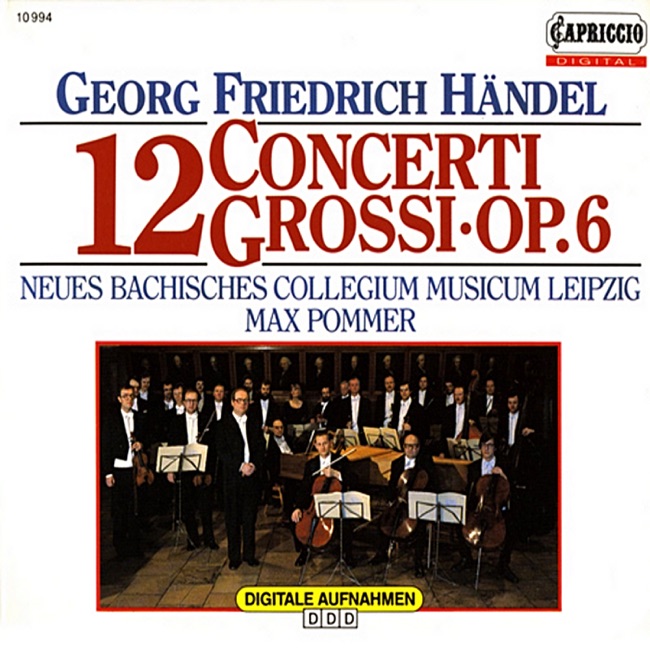
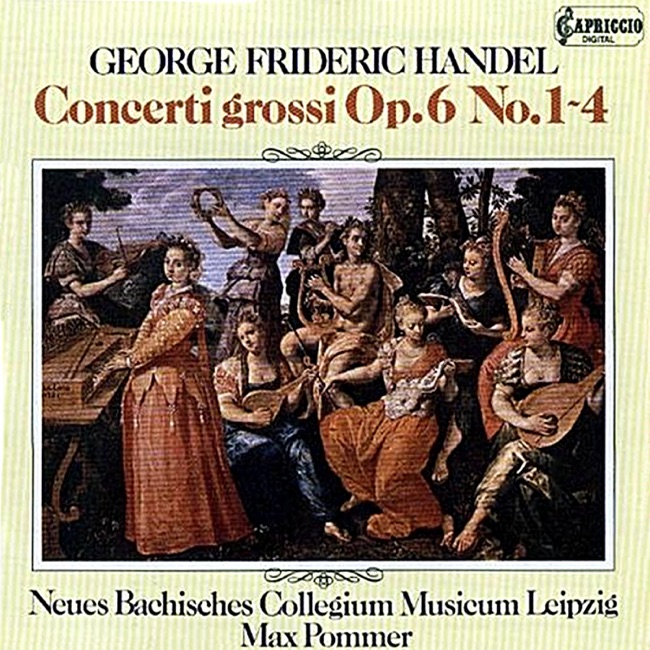
Featured Album
Works Info
Composer:George Frederick HandelGenre:ConcertoStyle:ConcertoCompose Date:1739Average_duration:11:58Movement_count:6Movement ....George Frederick Handel's Concerto Grosso in F major, Op. 6/2, HWV 320, was composed in 1739 and premiered in London the same year. The concerto is part of a set of twelve concerti grossi, Op. 6, which are considered some of Handel's finest works. The Concerto Grosso in F major, Op. 6/2, is divided into four movements. The first movement, marked "Andante larghetto," is a slow and stately introduction that sets the tone for the rest of the concerto. The second movement, marked "Allegro," is a lively and energetic dance-like movement that features the soloists and the orchestra in a call-and-response style. The third movement, marked "Largo," is a slow and expressive aria-like movement that showcases the soloists' ability to play with emotion and sensitivity. The final movement, marked "Allegro ma non troppo," is a fast and lively dance-like movement that brings the concerto to a thrilling conclusion. One of the characteristics of Handel's Concerto Grosso in F major, Op. 6/2, is the use of the concerto grosso form, which features a small group of soloists (in this case, two violins and a cello) playing in contrast to the larger orchestra. This creates a dynamic interplay between the soloists and the orchestra, with each group taking turns leading and supporting the music. Another characteristic of the concerto is Handel's use of counterpoint, which is the art of combining two or more melodies in a way that creates a harmonious whole. Handel was a master of counterpoint, and his use of it in this concerto creates a rich and complex texture that is both beautiful and intellectually stimulating. Overall, Handel's Concerto Grosso in F major, Op. 6/2, is a masterpiece of Baroque music that showcases the composer's skill and creativity. Its combination of solo and orchestral playing, use of counterpoint, and dynamic range make it a timeless work that continues to be enjoyed by audiences today.More....
Works Music
Released Music
1

2:39
2
Concerto Grosso in F major, Op. 6/2, HWV 320
III. Largo - Adagio - Larghetto andante, e piano
2:34
3
2:58
6
2:34
7
2:18
9
2:48
Featured Music
2
2:25
3
2:11