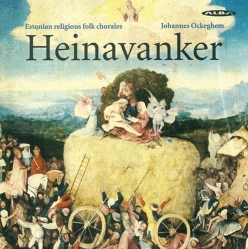
Estonian Traditional
Kas Sureb Nij Mu Koige Armsam Elu
Released Album
Recent Album
Works Info
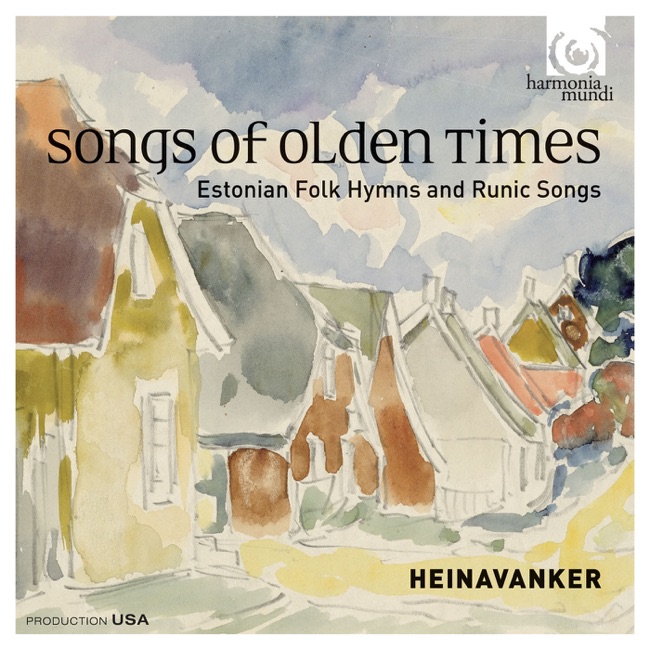
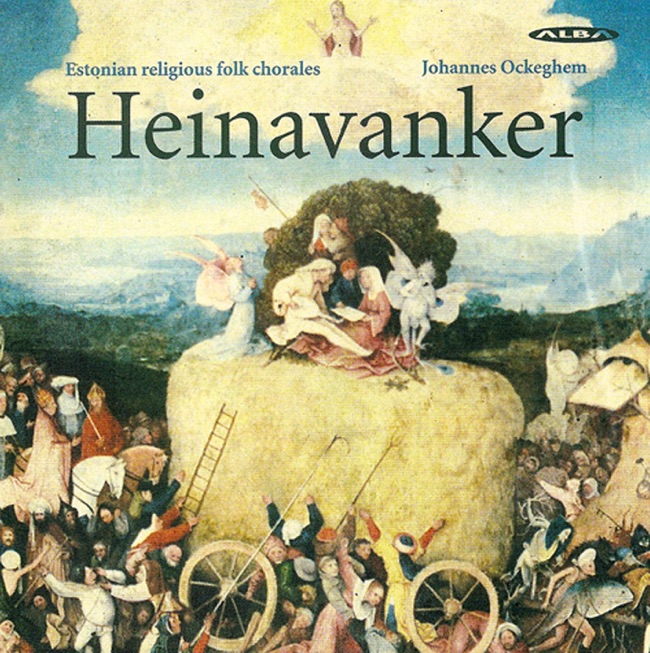
Composer:Estonian TraditionalGenre:VocalStyle:Vocal MusicAverage_duration:4:07"Kas Sureb Nij Mu Koige Armsam Elu" is a traditional Estonian song that has been passed down through generations. The song is a lamentation about the death of a loved one and the pain that comes with it. The title translates to "Is My Dearest Life Ending?" and the lyrics express the speaker's grief and longing for their loved one. The exact date of composition is unknown, as the song has been a part of Estonian folk culture for centuries. It is believed to have originated in the southern region of Estonia, where it was sung at funerals and other solemn occasions. The song has a slow and mournful melody, with a simple yet haunting tune that is easy to remember. It is typically sung a cappella, with a soloist leading the way and others joining in on the chorus. The song is often accompanied by traditional Estonian instruments such as the kannel (a type of zither) or the torupill (a type of bagpipe). "Kas Sureb Nij Mu Koige Armsam Elu" is divided into several movements, each with its own distinct melody and lyrics. The first movement sets the tone for the rest of the song, with the speaker asking if their dearest life is ending and expressing their sorrow. The second movement is a chorus that repeats the title of the song, emphasizing the speaker's question and their sense of loss. The third movement is a series of verses that describe the speaker's memories of their loved one and their grief at their passing. The lyrics are simple yet poignant, with lines such as "My heart is heavy with sorrow" and "I cannot bear the pain of losing you." The final movement is a repetition of the chorus, with the speaker once again asking if their dearest life is ending. The song ends on a somber note, with the speaker still grappling with their grief and the uncertainty of life. Overall, "Kas Sureb Nij Mu Koige Armsam Elu" is a powerful and emotional song that captures the essence of Estonian folk culture. Its haunting melody and poignant lyrics have made it a beloved part of the country's musical heritage, and it continues to be sung and passed down through generations.More....
Works Music
Released Music
1
Kas Sureb Nij Mu Koige Armsam Chosen
Kas sureb nii mu kõige armsam elu? (Must You die like that, my dearest Life?)
4:29