


Estonian Traditional
Released Album
Vocal
-
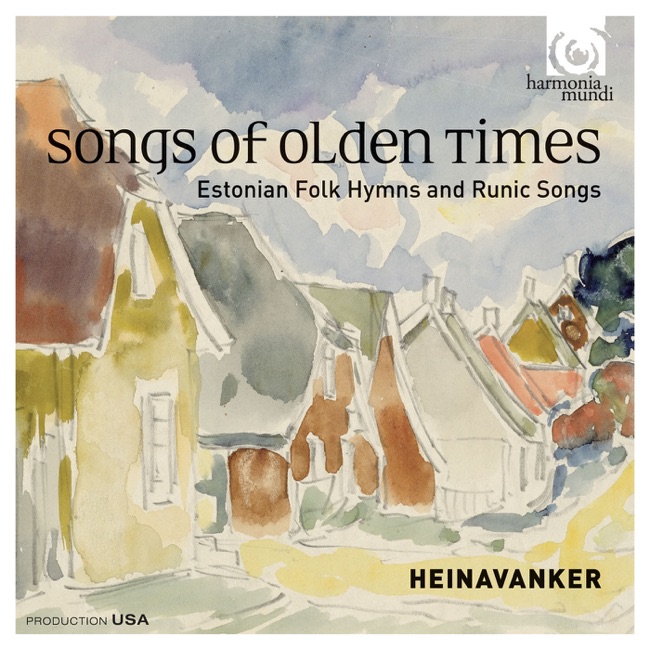 September 30, 2013
Choral
-
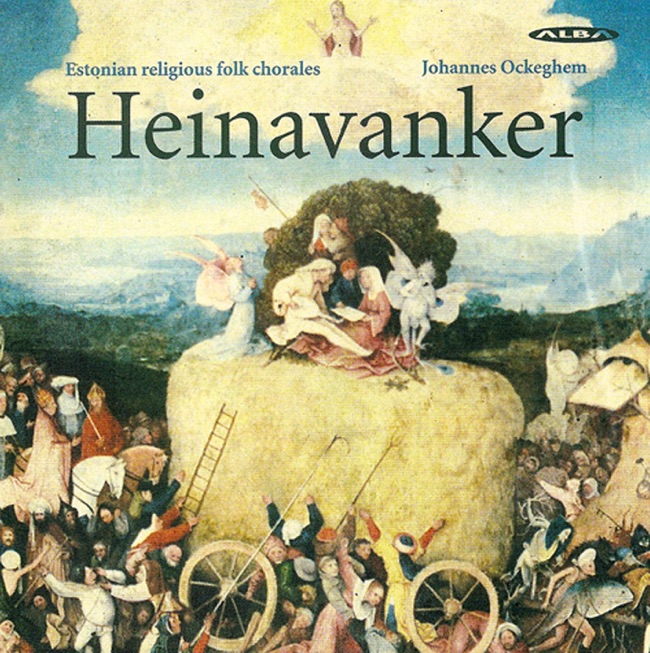 December 11, 2007
Artist Info
Role:ComposerEstonian Traditional is not a single composer, but rather a genre of music that has been passed down through generations in Estonia. This genre of music is deeply rooted in the country's history and culture, and has played an important role in shaping the country's musical identity. The origins of Estonian Traditional music can be traced back to the early 19th century, when the country was still under the rule of the Russian Empire. During this time, Estonians were not allowed to speak their own language or practice their own cultural traditions. However, music was one way that Estonians were able to express their identity and preserve their cultural heritage. Estonian Traditional music is characterized by its use of folk instruments, such as the kannel (a type of zither), the torupill (a type of bagpipe), and the hiiu kannel (a type of harp). The music is often performed in a group setting, with singers and instrumentalists coming together to create a rich and complex sound. One of the most important figures in the history of Estonian Traditional music is the composer and folklorist Mihkel Lüdig. Lüdig was born in 1880 in the town of Käina on the island of Hiiumaa. He was a talented musician from a young age, and went on to study music at the St. Petersburg Conservatory. After completing his studies, Lüdig returned to Estonia and began collecting and transcribing traditional Estonian folk songs. He was particularly interested in the music of his native island of Hiiumaa, and spent many years traveling around the island and recording the songs of local singers. Lüdig's work as a folklorist was closely tied to his work as a composer. He used the melodies and rhythms of traditional Estonian music as the basis for many of his own compositions. One of his most famous works is the song "Koit", which is based on a traditional Hiiumaa melody. In addition to his work as a composer and folklorist, Lüdig was also a teacher and conductor. He founded the first Estonian choir in St. Petersburg in 1906, and went on to conduct many other choirs throughout his career. Another important figure in the history of Estonian Traditional music is the composer Veljo Tormis. Tormis was born in 1930 in the town of Kuusalu, and began studying music at a young age. He went on to study composition at the Tallinn Conservatory, and later at the Moscow Conservatory. Tormis was deeply influenced by the music of his native Estonia, and his compositions often incorporate elements of traditional Estonian music. He is particularly known for his choral works, which often feature complex harmonies and rhythms. One of Tormis's most famous works is the cycle "Forgotten Peoples", which is based on the traditional music of various ethnic groups in the former Soviet Union. The cycle includes songs from the Mari, Udmurt, and Votik peoples, among others. Tormis's work as a composer has had a significant impact on the development of Estonian music. His use of traditional Estonian melodies and rhythms has helped to preserve and promote the country's musical heritage, and has inspired many other composers to explore their own cultural roots. In addition to Lüdig and Tormis, there have been many other composers and musicians who have contributed to the development of Estonian Traditional music.More....
Recent Artist Music
8
2:30

Copyright Ⓒ 2013 Davinci Finger. All rights reseved
Service Terms & Policy