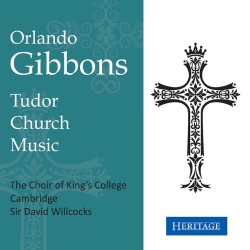
Orlando Gibbons
Almighty and everlasting God
Released Album
Recent Album
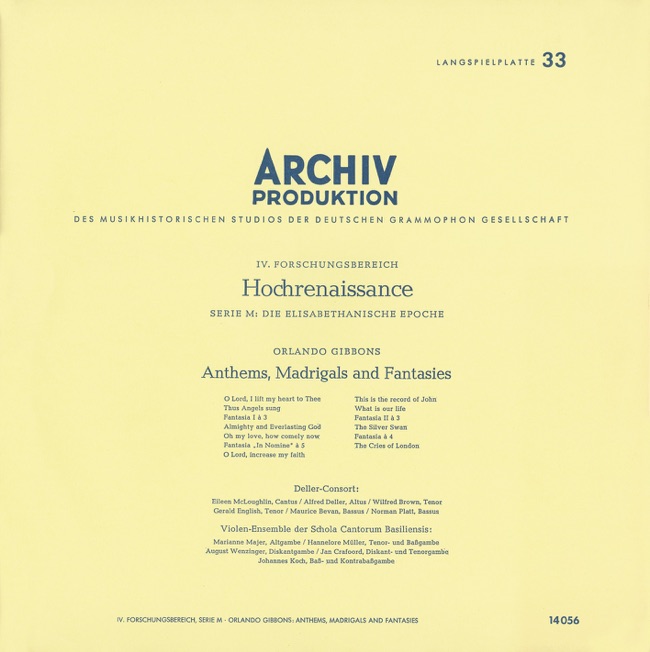
Featured Album
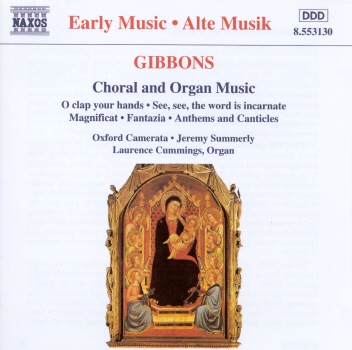
Works Info
Composer:Orlando GibbonsGenre:ChoralStyle:AnthemPublication Date:1641Average_duration:2:28Orlando Gibbons' "Almighty and everlasting God" is a choral anthem that was composed in the early 17th century. The piece was first performed in 1623, during the reign of King James I, and has since become a staple of Anglican choral music. The anthem is composed in four movements, each of which showcases Gibbons' skill as a composer. The first movement is a powerful and majestic opening, with the choir singing in unison to proclaim the greatness of God. The second movement is a more subdued and introspective section, with the choir singing in harmony to reflect on the mercy and forgiveness of God. The third movement is a lively and energetic section, with the choir singing in a joyful and celebratory manner to praise God's goodness and grace. The final movement is a grand and triumphant conclusion, with the choir singing in full voice to declare the glory and majesty of God. One of the most notable characteristics of "Almighty and everlasting God" is its use of harmony and counterpoint. Gibbons was a master of polyphonic composition, and this is evident throughout the piece. The choir sings in multiple parts, with each voice weaving in and out of the others to create a rich and complex tapestry of sound. The use of dissonance and resolution is also a hallmark of Gibbons' style, adding depth and emotion to the music. Another characteristic of the anthem is its use of text painting. Gibbons was a skilled composer of sacred music, and he used the text of the anthem to create a musical representation of the words. For example, in the second movement, the choir sings "We have sinned against thee," and the music becomes more somber and introspective, reflecting the repentance and contrition of the text. Overall, "Almighty and everlasting God" is a masterpiece of Anglican choral music. Its powerful and majestic opening, introspective middle section, joyful and celebratory third movement, and grand and triumphant conclusion make it a favorite of choirs and congregations alike. Gibbons' skillful use of harmony, counterpoint, and text painting make it a timeless work of art that continues to inspire and uplift listeners today.More....
Works Music
Released Music
Featured Music
3
2:28