Federico García Lorca
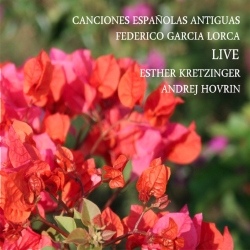
Canciones españolas antiguas "Las tres hojas"
Released Album
Recent Album

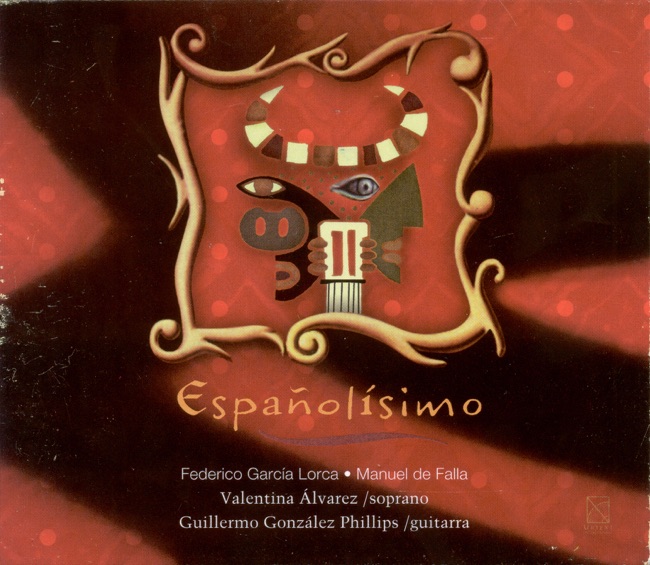

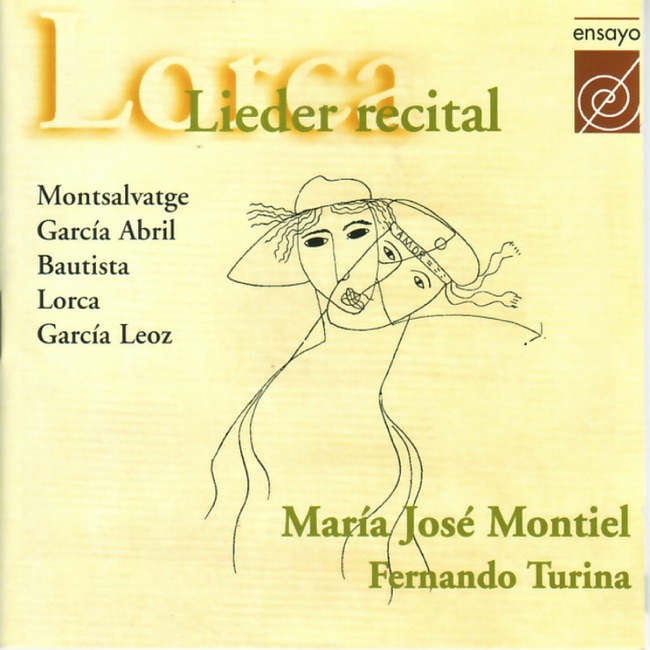
Works Info
Composer:Federico García LorcaGenre:VocalStyle:SongAverage_duration:1:47'Canciones españolas antiguas Las tres hojas' is a song cycle composed by Federico García Lorca in 1921. The premiere of the work took place in Madrid in 1922, with the composer himself accompanying the singer Encarnación López "La Argentinita" on the piano. The cycle consists of three movements, each based on a traditional Spanish folk song. The first movement, "Los cuatro muleros," is a lively and rhythmic song that tells the story of four mule drivers who are in love with the same woman. The second movement, "Las tres hojas," is a melancholic and haunting song about the passing of time and the inevitability of death. The final movement, "La tarara," is a playful and humorous song that features a nonsense refrain and a lively dance rhythm. One of the most striking characteristics of 'Canciones españolas antiguas Las tres hojas' is Lorca's use of traditional Spanish folk melodies and rhythms. He incorporates these elements into his own unique musical language, creating a work that is both deeply rooted in Spanish musical tradition and highly original in its composition. Another notable aspect of the cycle is Lorca's use of poetry. The lyrics of each song are based on traditional Spanish folk poetry, which Lorca has adapted and reworked to fit his musical vision. The result is a work that is both musically and lyrically rich, with each movement offering a different emotional and musical experience. Overall, 'Canciones españolas antiguas Las tres hojas' is a masterful example of Lorca's unique musical and poetic vision. It showcases his deep love and understanding of traditional Spanish music and poetry, while also demonstrating his ability to innovate and create something entirely new and original.More....
Works Music
Released Music