


Federico García Lorca
Released Album
Vocal
-
 October 22, 2021
 -
 September 1, 2021
 -
 November 6, 2020
 -
 March 13, 2020
 -
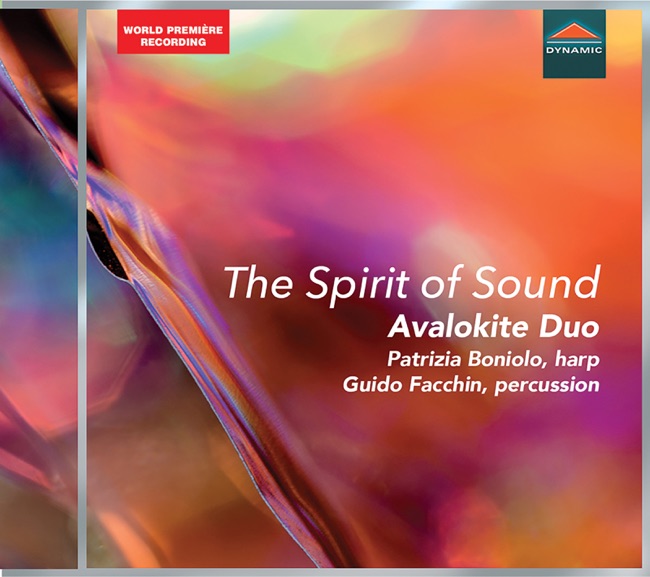 March 23, 2018
 -
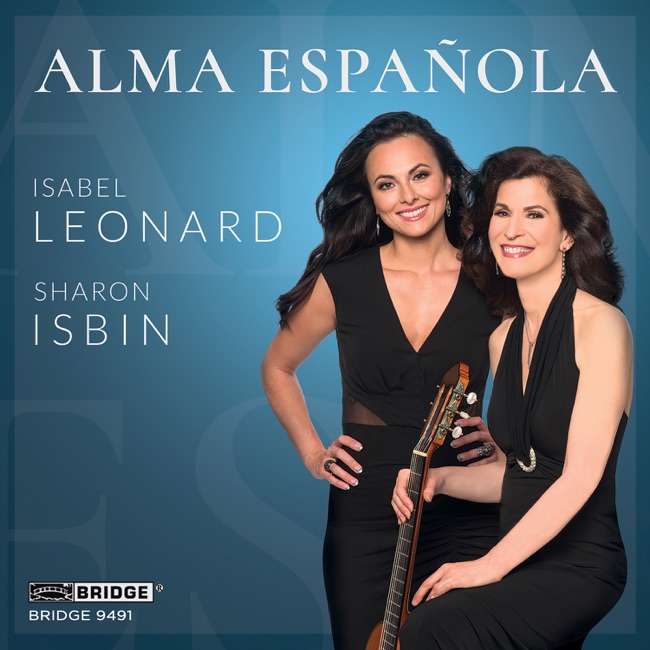 July 11, 2017
Artist Info
Role:ComposerCountry: SpainBirth:June 5, 1898 in Fuente Vaqueros, SpainDeath:August 19, 1936 in Callejones de Garcia, SpainGenre:VocalFederico García Lorca was a Spanish poet, playwright, and composer who is widely regarded as one of the most important figures in 20th-century Spanish literature. Born on June 5, 1898, in Fuente Vaqueros, a small town in the province of Granada, Lorca was the son of a wealthy landowner and a schoolteacher. From a young age, he showed a keen interest in music and literature, and his parents encouraged his artistic pursuits. Lorca began studying piano and composition at the age of six, and by the time he was a teenager, he had already composed several works for piano and voice. In 1915, he moved to Madrid to attend the Residencia de Estudiantes, a prestigious institution that was home to many of Spain's leading intellectuals and artists. There, he studied literature, music, and art, and he became friends with many of the most important figures of the Spanish avant-garde, including Salvador Dalí and Luis Buñuel. In 1919, Lorca published his first book of poetry, "Impresiones y paisajes," which was well-received by critics and established him as a major new voice in Spanish literature. Over the next few years, he continued to write poetry and began to experiment with playwriting and music composition. In 1922, he composed his first major work for piano, "Piezas españolas," which was inspired by the traditional music of Andalusia, the region of Spain where he grew up. In 1928, Lorca published his most famous collection of poetry, "Romancero gitano" (Gypsy Ballads), which was a huge success and cemented his reputation as one of Spain's greatest poets. The collection was inspired by the music and culture of the Roma people, and it features many of Lorca's most famous poems, including "La casada infiel" (The Unfaithful Wife) and "La luna asoma" (The Moon Rises). Throughout the 1920s and 1930s, Lorca continued to write poetry, plays, and music, and he became increasingly involved in left-wing politics. He was a vocal critic of the conservative government of Spain, and he supported the Republican cause during the Spanish Civil War. In 1936, he was arrested by Franco's forces and executed without trial, becoming one of the most famous victims of the war. Lorca's music compositions are not as well-known as his poetry and plays, but they are an important part of his artistic legacy. His music is characterized by its use of traditional Spanish melodies and rhythms, as well as its incorporation of elements of modernist and avant-garde music. His most famous works for piano include "Piezas españolas," "Danza de la molinera" (The Miller's Dance), and "Sonata para piano" (Piano Sonata). In addition to his piano works, Lorca also composed several songs for voice and piano, many of which were inspired by his poetry. Some of his most famous songs include "Canción de cuna para dormir a un negrito" (Lullaby for a Black Baby), "Los cuatro muleros" (The Four Muleteers), and "Zorongo gitano" (Gypsy Zorongo). Lorca's music is notable for its use of Spanish folk melodies and rhythms, which he incorporated into his compositions in a way that was both innovative and respectful of tradition. His music is also notable for its emotional intensity and its ability to evoke the landscapes and cultures of Spain. In conclusion, Federico García Lorca was a multifaceted artist who made significant contributions to Spanish literature, music, and culture.More....
Recent Artist Music
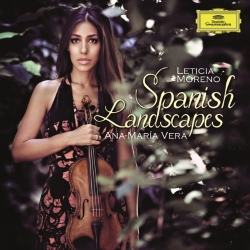
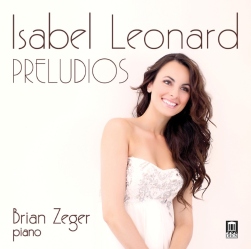
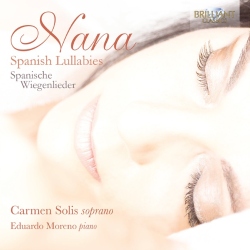
6
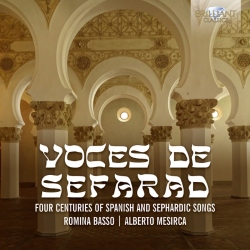
6:50

Copyright Ⓒ 2013 Davinci Finger. All rights reseved
Service Terms & Policy