Andrea Antico
O che aiuto o che conforto
Released Album
Recent Album
Works Info
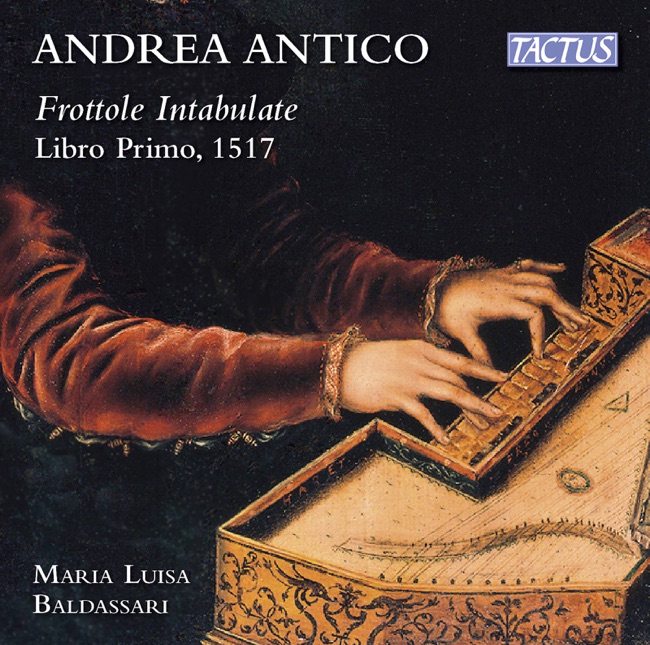
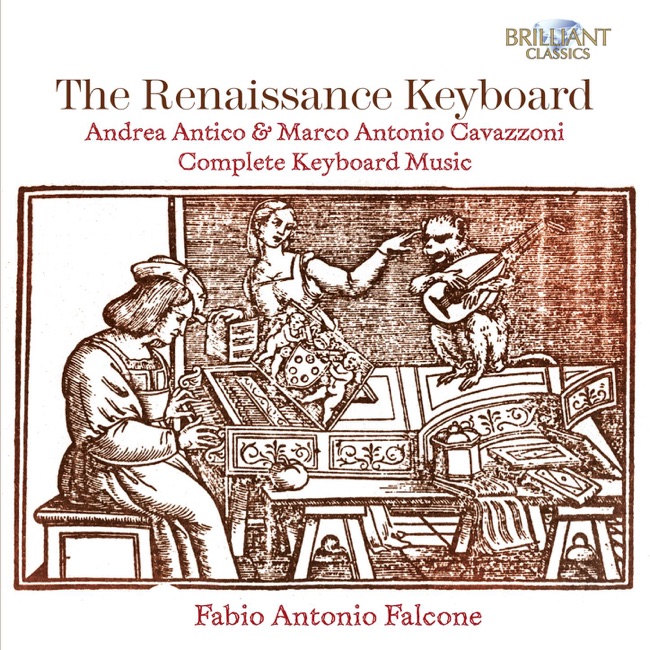
Composer:Andrea AnticoGenre:KeyboardAverage_duration:3:14' O che aiuto o che conforto' is a sacred motet composed by Andrea Antico, an Italian music printer, publisher, and composer of the Renaissance period. The piece was composed in the early 16th century and was first published in 1517 in Antico's collection of motets titled 'Frottole Intabulate da Sonare et Cantare Libro Primo'. The motet is written for four voices, with the text in Italian. It is a polyphonic composition that features a homophonic texture in some sections and a contrapuntal texture in others. The piece is characterized by its simple and clear melodic lines, which are supported by a harmonic structure that is typical of the Renaissance period. The motet is divided into three movements, with each movement featuring a different text. The first movement is a setting of the text 'O che aiuto o che conforto', which translates to 'Oh, what help or what comfort'. The second movement is a setting of the text 'O beata Trinità', which translates to 'Oh, blessed Trinity'. The final movement is a setting of the text 'O gloriosa Domina', which translates to 'Oh, glorious Lady'. The first movement begins with a homophonic section that features all four voices singing in unison. This is followed by a contrapuntal section where the voices weave in and out of each other, creating a rich and complex texture. The second movement is more subdued, with a slower tempo and a more contemplative mood. The final movement is more lively, with a faster tempo and a more joyful mood. Overall, 'O che aiuto o che conforto' is a beautiful example of Renaissance sacred music. Its simple yet elegant melodies and harmonies, combined with its clear and expressive text, make it a timeless piece of music that continues to be performed and enjoyed today.More....
Works Music
Released Music
1
Either what a help or what a comfort
O che aiuto o che conforto (Frottole Intabulate per sonare organi Libro Primo, Roma 1517)
1:50