


Andrea Antico
Released Album
Keyboard
-
 January 21, 2022
 -
 July 21, 2017
 -
 June 24, 2016
 -
 April 21, 2015
 -
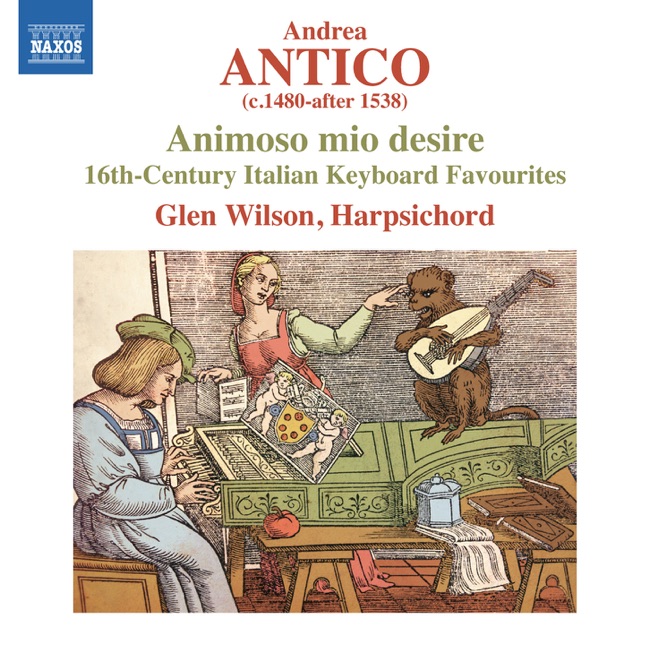 January 13, 2015
 -
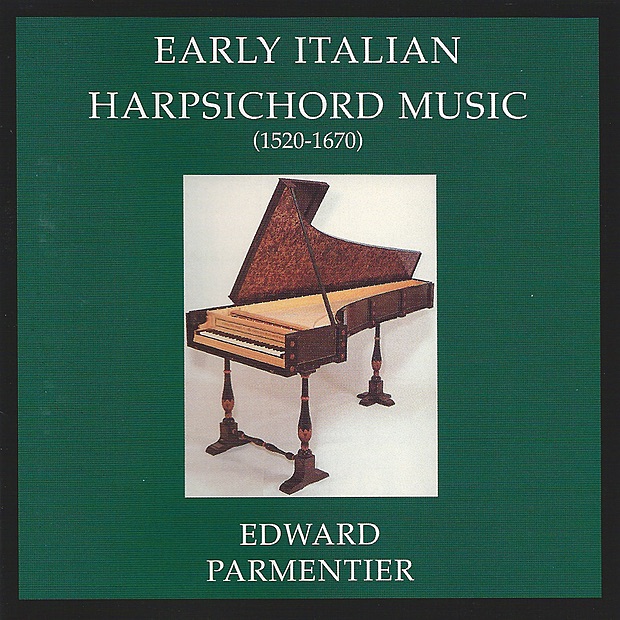 October 28, 2003
Miscellaneous
Artist Info
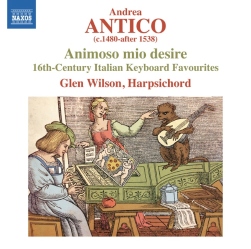
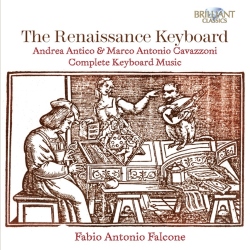
Role:ComposerPeriod:RenaissanceGenre:KeyboardAndrea Antico was a prominent composer and music printer of the Renaissance era. He was born in Montona, a small town in Istria, which is now part of Croatia, in the year 1480. Not much is known about his early life, but it is believed that he received his musical education in Venice, which was a hub of musical activity during the Renaissance. Antico was a versatile musician who excelled in various musical genres, including sacred and secular music. He was also a skilled instrumentalist and singer. In the early 16th century, he moved to Rome, where he worked as a singer and musician in the papal chapel. During this time, he also began to publish his own music, which included both sacred and secular works. One of Antico's most significant contributions to music was his work as a music printer. In 1517, he established his own music printing press in Rome, which was one of the first of its kind in Italy. He used this press to publish his own music, as well as the works of other composers. Antico's printing press was known for its high-quality printing and beautiful typography, which helped to elevate the status of music printing as an art form. Antico's music was highly regarded during his lifetime, and he was known for his innovative use of harmony and counterpoint. His sacred music, in particular, was praised for its beauty and emotional depth. Some of his most famous works include his motets, which were composed for the papal chapel, and his madrigals, which were secular songs that were popular in Italy during the Renaissance. One of Antico's most significant works is his collection of chansons, which he published in 1520. This collection, which was titled "Frottole Intabulate da Sonare Organi et altri Stromenti," included 40 chansons that were arranged for keyboard and other instruments. This collection was groundbreaking in its use of instrumental arrangements, which were still a relatively new concept at the time. Antico's music was also notable for its use of chromaticism, which was a technique that involved using notes outside of the traditional diatonic scale. This technique was used to create complex harmonies and emotional depth in his music. Antico's use of chromaticism was particularly evident in his madrigals, which were known for their expressive and emotional qualities. Despite his success as a composer and music printer, Antico's life was not without its challenges. In 1527, Rome was sacked by the troops of Emperor Charles V, which led to the destruction of Antico's printing press and the loss of many of his manuscripts. Antico was forced to flee Rome and move to Venice, where he established a new printing press and continued to publish music. Antico's later years were marked by financial difficulties, and he was forced to sell his printing press in 1538. He continued to work as a musician and composer, but his output declined in his later years. He died in Venice in 1539, at the age of 59. Despite his relatively short life, Andrea Antico left a lasting legacy in the world of music. His innovative use of harmony and counterpoint, as well as his contributions to music printing, helped to shape the course of music history. Today, his music is still performed and studied by musicians and scholars around the world, and his influence can be heard in the works of many later composers.More....
Recent Artist Music
1
1:48

11
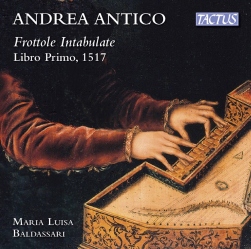
What will you do, what will you say
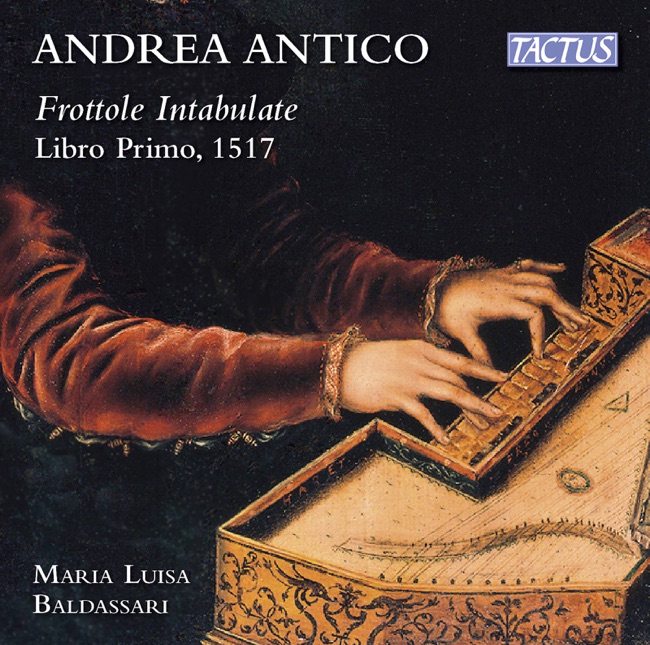
Che farala che dirala (Frottole Intabulate per sonare organi Libro Primo, Roma 1517)
1:54
Copyright Ⓒ 2013 Davinci Finger. All rights reseved
Service Terms & Policy