


Claude-Bénigne Balbastre
Marche des Marseillais et L'Air Ça Ira for piano
Released Album
Recent Album
-
-
-
-
-
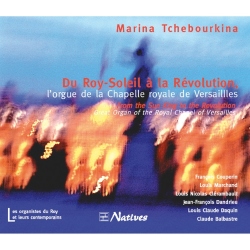
 Marina TchebourkinaSeptember 15, 2004
 -
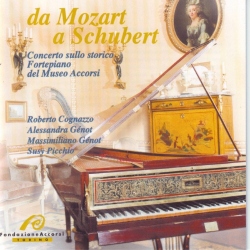
 Cognazzo RobertoJune 10, 2002
 -
-
Works Info
Composer:Claude-Bénigne BalbastreGenre:KeyboardStyle:MarchAverage_duration:4:46Claude-Bénigne Balbastre was a French composer and organist who lived from 1724 to 1799. He was known for his keyboard music, particularly his harpsichord pieces, and was a prominent figure in the French musical scene during the late 18th century. One of his most famous works is the "Marche des Marseillais et L'Air Ça Ira for piano," which was composed in 1792. The "Marche des Marseillais et L'Air Ça Ira for piano" was written to commemorate the arrival of the Marseillais in Paris during the French Revolution. The Marseillais were a group of volunteers from Marseille who marched to Paris to support the revolutionaries. The piece is a combination of two popular songs of the time: "La Marseillaise" and "Ça Ira." "La Marseillaise" was the national anthem of France and "Ça Ira" was a revolutionary song that became popular during the early years of the revolution. The piece is divided into two movements. The first movement is the "Marche des Marseillais," which is a lively and energetic march that captures the excitement and enthusiasm of the Marseillais as they marched to Paris. The second movement is "L'Air Ça Ira," which is a more subdued and reflective piece that reflects the uncertainty and turmoil of the revolution. The "Marche des Marseillais" is characterized by its strong rhythm and driving melody. The piece is in 2/4 time and features a prominent bass line that provides a solid foundation for the melody. The melody is simple and catchy, with a repeated motif that is easy to remember. The piece is also marked by its use of dynamic contrasts, with sudden shifts from loud to soft and back again. The second movement, "L'Air Ça Ira," is more introspective and melancholy. The piece is in 3/4 time and features a slower tempo than the first movement. The melody is more complex and varied, with a range of emotions expressed throughout the piece. The piece is marked by its use of chromaticism, with unexpected shifts in harmony that create a sense of tension and unease. Overall, the "Marche des Marseillais et L'Air Ça Ira for piano" is a powerful and evocative piece that captures the spirit of the French Revolution. It is a testament to Balbastre's skill as a composer and his ability to capture the mood and emotions of his time.More....
Works Music
Released Music
1
L'orgue classique français: 1650-1800 (150 ans de musique du Grand Siècle à la Révolution française)
4:25
3
4:58
4
4:39
5
4:49
6
4:25
7
4:40
8
4:42