Nicolaus Bruhns
Prelude and Fugue for organ in G minor
Released Album
Recent Album
Featured Album
Works Info
Composer:Nicolaus BruhnsGenre:KeyboardStyle:Prelude & FugueAverage_duration:5:01Nicolaus Bruhns was a German Baroque composer and organist who lived from 1665 to 1697. He was born in Schwabstedt, Schleswig-Holstein, and was the son of a Lutheran pastor. Bruhns was a student of the famous Danish-German composer and organist Dieterich Buxtehude, who was also his father-in-law. Bruhns' music is characterized by its virtuosity, expressiveness, and emotional intensity. One of Bruhns' most famous works is his Prelude and Fugue for organ in G minor. This piece was composed around 1690 and is believed to be one of the earliest examples of a prelude and fugue in the German Baroque tradition. The piece consists of two movements: a prelude and a fugue. The prelude is a free-form piece that showcases Bruhns' virtuosic organ playing. It begins with a slow, mournful melody in the lower register of the organ, which gradually builds in intensity and complexity. The middle section of the prelude features a series of fast, intricate runs and arpeggios, which demonstrate Bruhns' technical skill as an organist. The prelude ends with a return to the opening melody, which is played with even greater intensity and passion. The fugue is a more structured piece that follows the traditional Baroque form. It begins with a single voice playing a simple melody, which is then imitated by other voices in turn. The fugue gradually builds in complexity as the voices interweave and overlap, creating a rich and intricate texture. The middle section of the fugue features a series of virtuosic passages for the organist, which showcase Bruhns' technical skill and improvisational ability. The fugue ends with a return to the opening melody, which is played with even greater intensity and complexity than before. Overall, Bruhns' Prelude and Fugue for organ in G minor is a masterpiece of the German Baroque tradition. It showcases Bruhns' virtuosic organ playing, his emotional intensity, and his mastery of the prelude and fugue form. The piece remains a popular choice for organists today and is considered one of the greatest works of the Baroque era.More....
Works Music
Released Music
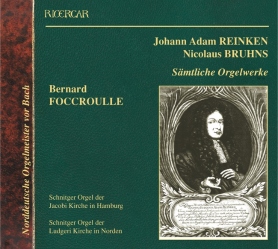
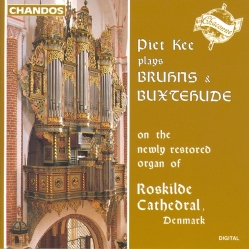
Featured Music