Franz Joseph Haydn
Morag, H. 31a/143bis
Released Album
Recent Album

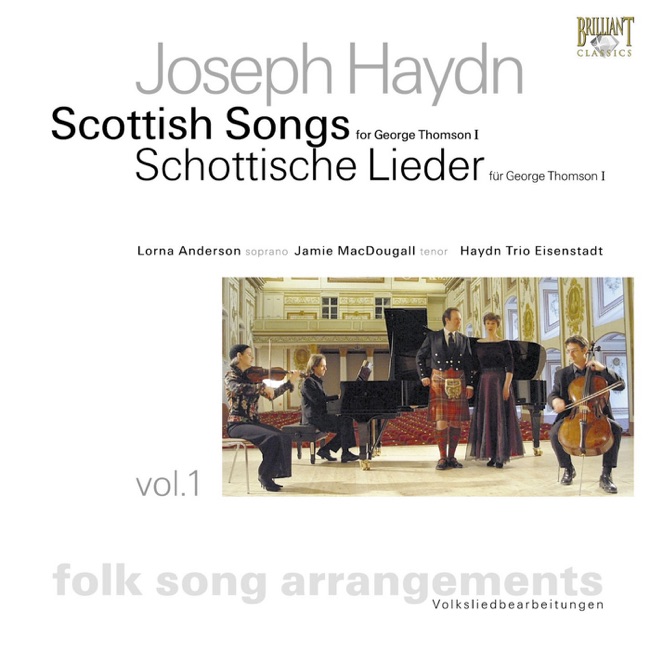
Featured Album
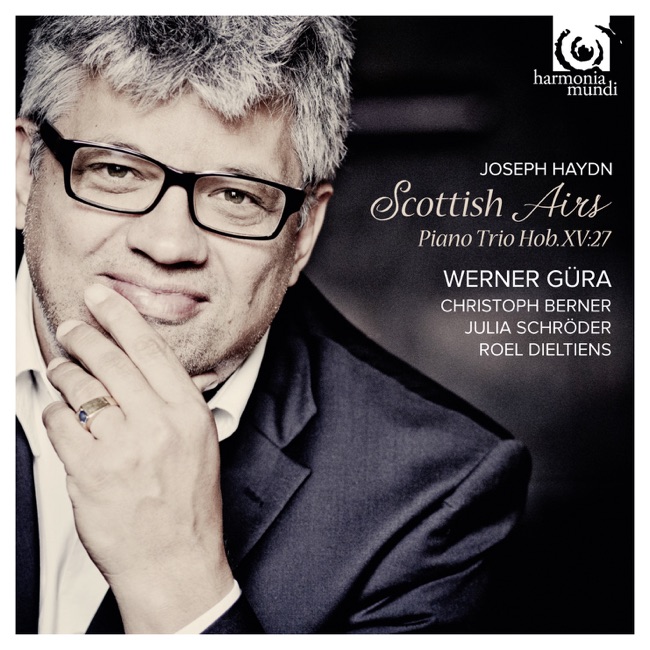
Works Info
Composer:Franz Joseph HaydnGenre:VocalStyle:Vocal MusicCompose Date:1801Average_duration:3:15'Morag, H. 31a/143bis' is a symphony composed by Franz Joseph Haydn, one of the most prominent composers of the Classical era. The symphony was composed in 1765, during Haydn's early years as Kapellmeister for the Esterházy family. It premiered in Eisenstadt, Austria, in the same year. The symphony consists of four movements, typical of the Classical era symphony. The first movement, marked Allegro, is in sonata form and features a lively and energetic theme that is developed throughout the movement. The second movement, marked Andante, is a slow and lyrical movement that showcases Haydn's gift for melody. The third movement, marked Menuetto, is a dance-like movement in triple meter that features a playful and light-hearted theme. The final movement, marked Allegro, is a fast and lively movement that brings the symphony to a thrilling conclusion. One of the characteristics of 'Morag, H. 31a/143bis' is its use of orchestration. Haydn was known for his innovative use of orchestration, and this symphony is no exception. The symphony features a full orchestra, including strings, woodwinds, brass, and percussion. Haydn uses the different sections of the orchestra to create a rich and varied sound, with each instrument contributing to the overall texture of the music. Another characteristic of the symphony is its use of musical form. Haydn was a master of musical form, and this symphony is a prime example of his skill in this area. The symphony follows the traditional four-movement structure of the Classical era symphony, with each movement featuring a distinct musical form. Haydn uses these forms to create a sense of unity and coherence throughout the symphony, while also allowing for variety and contrast between the movements. Overall, 'Morag, H. 31a/143bis' is a masterful example of Haydn's early symphonic writing. It showcases his skill in orchestration, musical form, and melody, and is a testament to his status as one of the greatest composers of the Classical era.More....
Works Music
Released Music
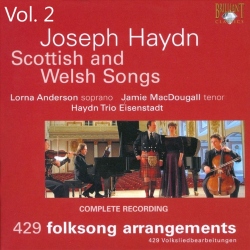


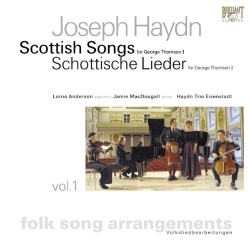
Featured Music