


Jan Pieterszoon Sweelinck
Qui vult venire post me (Cantiones Sacrae No. 19)
Released Album
Recent Album
Works Info
Composer:Jan Pieterszoon SweelinckGenre:ChoralStyle:ChoralPublication Date:1619Average_duration:2:43Jan Pieterszoon Sweelinck was a Dutch composer and organist of the late Renaissance and early Baroque periods. He was born in Deventer, Netherlands, in 1562 and died in Amsterdam in 1621. Sweelinck was one of the most important composers of his time, and his music had a significant influence on the development of Baroque music. One of Sweelinck's most famous works is "Qui vult venire post me" (Cantiones Sacrae No. 19), which was composed in 1619. The piece is a motet for five voices and is based on a text from the Gospel of Matthew. The premiere of the work is not known, but it was likely performed in a church in Amsterdam. The piece is divided into three movements. The first movement is a setting of the text "Qui vult venire post me" (Whoever wants to come after me), and it is sung by the alto voice. The other voices enter one by one, with the soprano singing "Deny himself," the tenor singing "Take up his cross," and the bass singing "And follow me." The voices then combine in a rich and complex polyphonic texture. The second movement is a setting of the text "Quicumque vult salvus esse" (Whoever wants to be saved), and it is sung by the soprano voice. The other voices enter one by one, with the alto singing "Above all things," the tenor singing "Hold the Catholic faith," and the bass singing "Which faith except everyone keeps whole and undefiled, he will without doubt perish eternally." The voices then combine in a powerful and dramatic climax. The third movement is a setting of the text "Amen" and is sung by all five voices. The voices weave in and out of each other in a complex and intricate polyphonic texture, building to a final cadence. "Qui vult venire post me" is a masterpiece of Renaissance polyphony, with its rich and complex harmonies, intricate counterpoint, and dramatic use of text painting. It is a testament to Sweelinck's skill as a composer and his deep understanding of the power of music to convey religious meaning and emotion.More....
Works Music
Released Music
1
Qui vult come post me (Cantiones Sacrae No. 19)
Qui vult venire post me, for 5 voices, SWWV 169
2:18
3
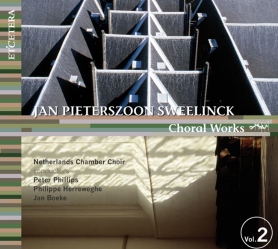
2:30
4
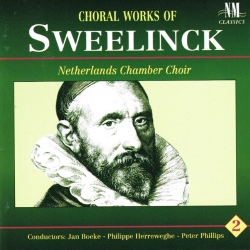
2:30
5
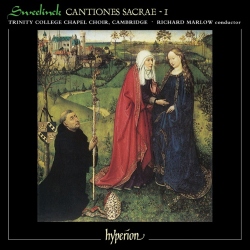
3:19
6
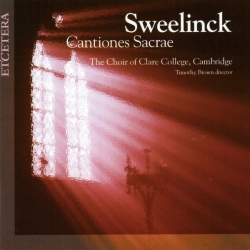
2:36
Main Perform Artists
Baroque Violin
Cornet, Shawm
Cello, Viol
Organ, Virginal
Lute
Viol