Dietrich Buxtehude
Sonata and Suite in B flat, BuxWV 273
Released Album
Recent Album



Works Info
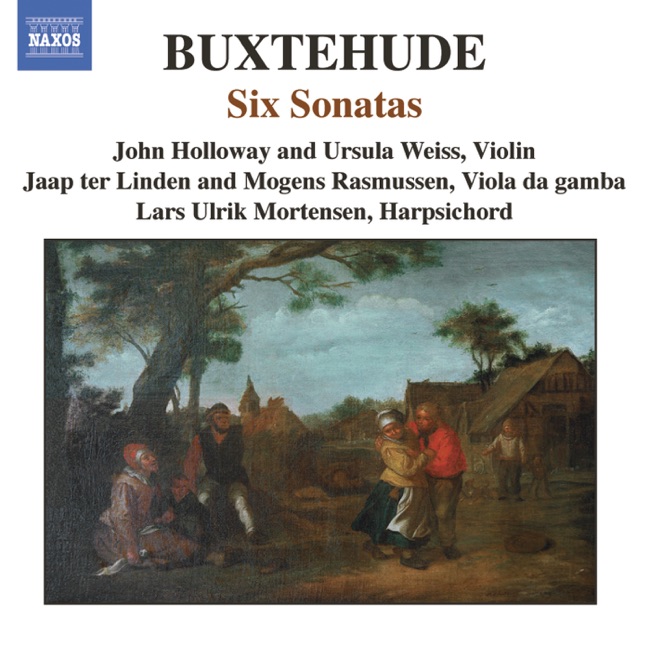
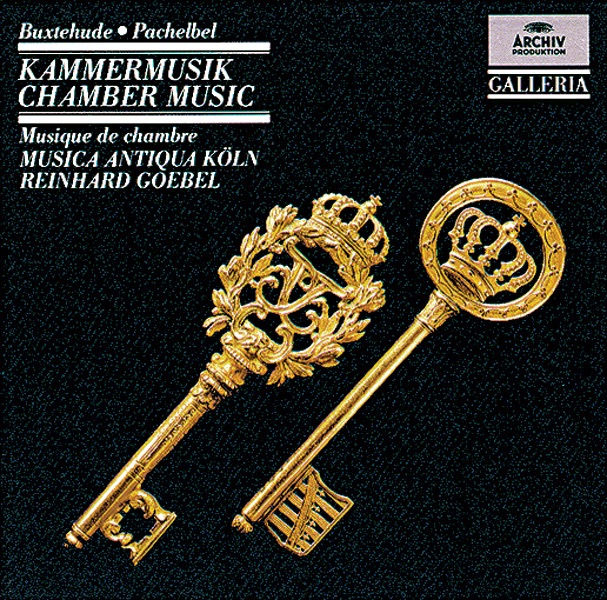
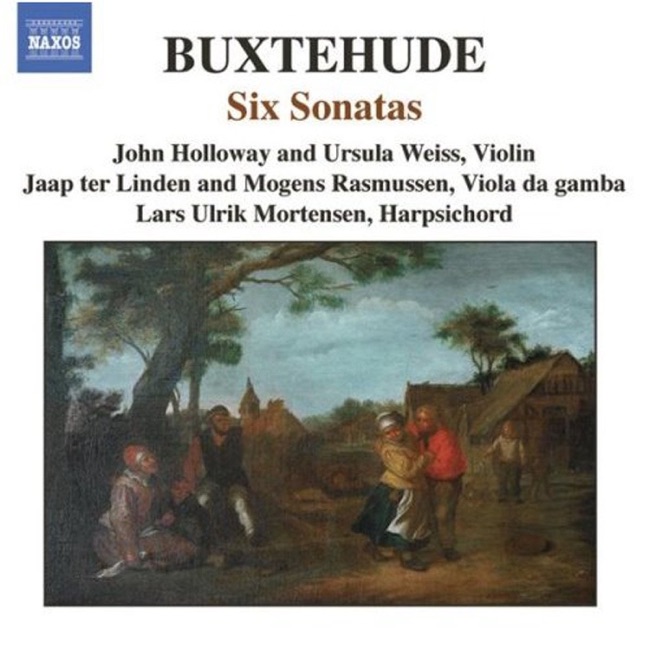
Composer:Dietrich BuxtehudeGenre:ChamberStyle:SonataAverage_duration:14:02Dietrich Buxtehude's Sonata and Suite in B flat, BuxWV 273, is a baroque instrumental work composed for two violins, viola da gamba, and basso continuo. The exact date of composition is unknown, but it is believed to have been written in the late 17th century. The piece is divided into four movements: Praeludium, Allemande, Courante, and Sarabande. The Praeludium is a lively and energetic movement that begins with a virtuosic violin solo. The other instruments gradually join in, creating a rich and complex texture. The Allemande is a slower, more contemplative movement, characterized by its flowing melodies and intricate counterpoint. The Courante is a fast and lively dance, featuring intricate rhythms and playful melodies. The final movement, the Sarabande, is a slow and stately dance, characterized by its expressive melodies and rich harmonies. The Sonata and Suite in B flat is a prime example of Buxtehude's skill as a composer. The piece is characterized by its intricate counterpoint, expressive melodies, and rich harmonies. Buxtehude was known for his ability to create complex and innovative works that pushed the boundaries of baroque music. The Sonata and Suite in B flat is no exception, showcasing Buxtehude's mastery of the form and his ability to create music that is both technically challenging and emotionally engaging. The piece premiered in the late 17th century, likely in one of the many churches where Buxtehude worked as an organist and composer. It quickly became popular among musicians and audiences alike, and it remains a beloved work in the baroque repertoire to this day.More....
Works Music
Released Music
1

Sonata and Suite in B flat, BuxWV 273
Sonata (with Suite) in B flat for violin, viola da gamba and basso continuo BuxWV 273
13:12
2

Sonata and Suite in B flat, BuxWV 273
1. (Sonata:) Ciaccona - Adagio - Allegro/Adagio/Allegro
7:41
3

Sonata and Suite in B flat, BuxWV 273
Sonata (with Suite) in B flat for violin, viola da gamba & basso continuo, BuxWV 273
13:12
4
4:47