Heinrich Schütz
Così morir debb'io, SWV 5 (Op. 1/5)
Released Album
Recent Album
Works Info
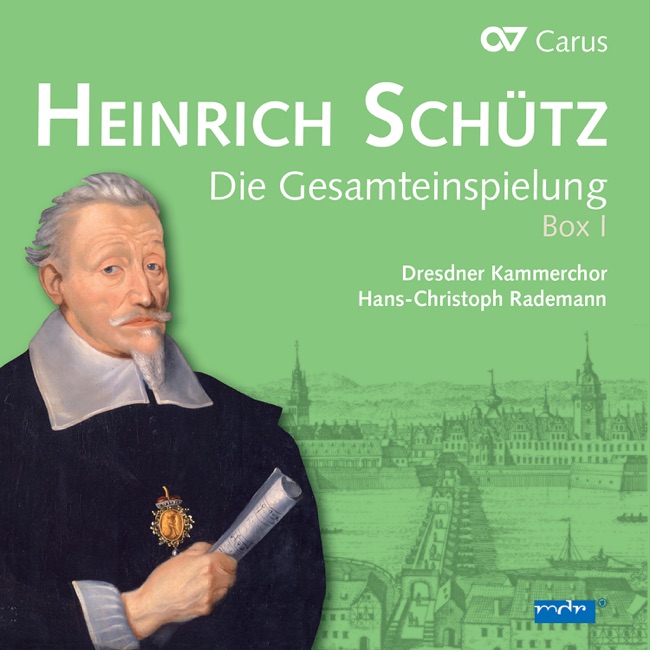
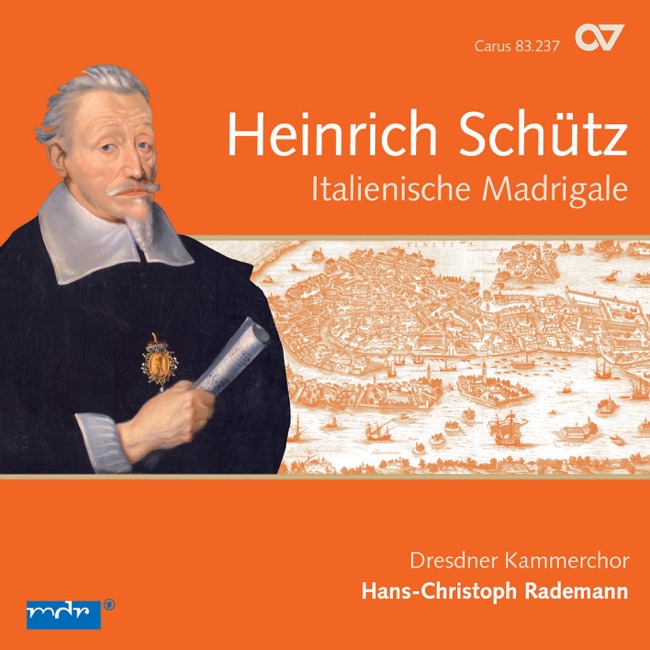
Composer:Heinrich SchützGenre:VocalStyle:MadrigalPublication Date:1611Average_duration:2:56Heinrich Schütz's 'Così morir debb'io, SWV 5 (Op. 1/5)' is a vocal work that was composed in the early 17th century. The piece is a madrigal, which is a type of secular vocal music that was popular during the Renaissance and Baroque periods. It was first performed in 1611, and it is considered to be one of Schütz's earliest works. The piece is divided into three movements, each of which has its own distinct character and mood. The first movement is slow and mournful, with a melancholy melody that is sung by the solo voice. The second movement is faster and more lively, with a more upbeat melody that is accompanied by a lively instrumental ensemble. The third movement is slow and contemplative, with a simple melody that is sung by the solo voice. The text of the piece is taken from a sonnet by the Italian poet Francesco Petrarca. The sonnet is a meditation on death and the transience of life, and it is filled with images of decay and loss. Schütz's music captures the mood of the text perfectly, with its mournful melodies and somber harmonies. One of the most striking features of 'Così morir debb'io' is its use of chromaticism. Chromaticism is a technique in which the composer uses notes that are outside of the traditional diatonic scale. This creates a sense of tension and dissonance in the music, which is often used to convey a sense of sadness or melancholy. Schütz uses chromaticism throughout the piece, particularly in the first movement, where it creates a sense of unease and uncertainty. Overall, 'Così morir debb'io' is a beautiful and haunting piece of music that showcases Schütz's early talent as a composer. Its melancholy melodies and somber harmonies capture the mood of the text perfectly, and its use of chromaticism adds an extra layer of emotional depth to the music.More....
Works Music
Released Music