


Max Reger
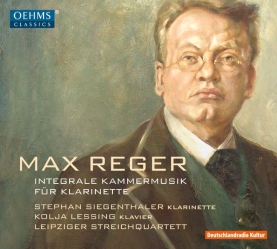
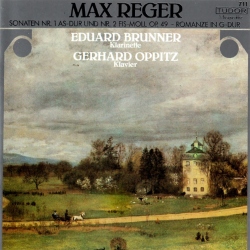
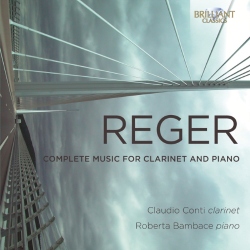
Sonata for clarinet & piano No. 2 in F sharp minor, Op. 49/2
Released Album
Recent Album
Featured Album
Works Info
Composer:Max RegerGenre:ChamberStyle:SonataCompose Date:May 1900First Performance:Apr 29, 1902Average_duration:19:50Movement_count:4Movement ....Max Reger's Sonata for clarinet & piano No. 2 in F sharp minor, Op. 49/2 was composed in 1900 and premiered on January 22, 1901, in Munich, Germany. The sonata consists of three movements: Allegro moderato, Largo con gran espressione, and Allegretto con grazia. The first movement, Allegro moderato, begins with a lyrical clarinet melody that is soon joined by the piano. The movement is characterized by its use of chromaticism and frequent modulations, which create a sense of restlessness and tension. The development section features a fugato, which showcases Reger's contrapuntal skills. The movement ends with a recapitulation of the opening theme, followed by a coda that brings the movement to a close. The second movement, Largo con gran espressione, is a slow and introspective piece that features a long clarinet melody accompanied by a simple piano accompaniment. The movement is characterized by its use of expressive harmonies and long, flowing phrases. The clarinet and piano take turns playing the melody, creating a sense of dialogue between the two instruments. The movement ends with a quiet and peaceful coda. The final movement, Allegretto con grazia, is a lively and playful piece that features a syncopated clarinet melody accompanied by a lively piano accompaniment. The movement is characterized by its use of rhythmic complexity and frequent changes in tempo. The middle section of the movement features a lyrical clarinet melody accompanied by a simple piano accompaniment. The movement ends with a lively coda that brings the sonata to a close. Overall, Reger's Sonata for clarinet & piano No. 2 in F sharp minor, Op. 49/2 is a complex and challenging work that showcases Reger's mastery of counterpoint and harmonic complexity. The sonata is characterized by its use of chromaticism, frequent modulations, and expressive harmonies. The three movements of the sonata are distinct in character, but they are united by Reger's use of thematic development and contrapuntal techniques.More....
Works Music
Released Music
2
7:54
3
8:23
6
7:32
9
8:6
Featured Music
2
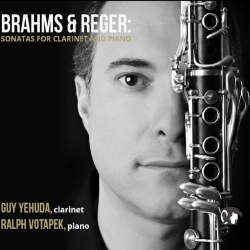
2:51
3
4:27
5
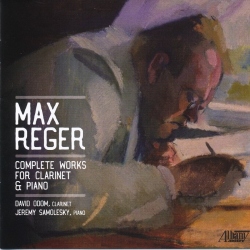
7:49
6
2:55
7
4:58