


Heinrich Schütz
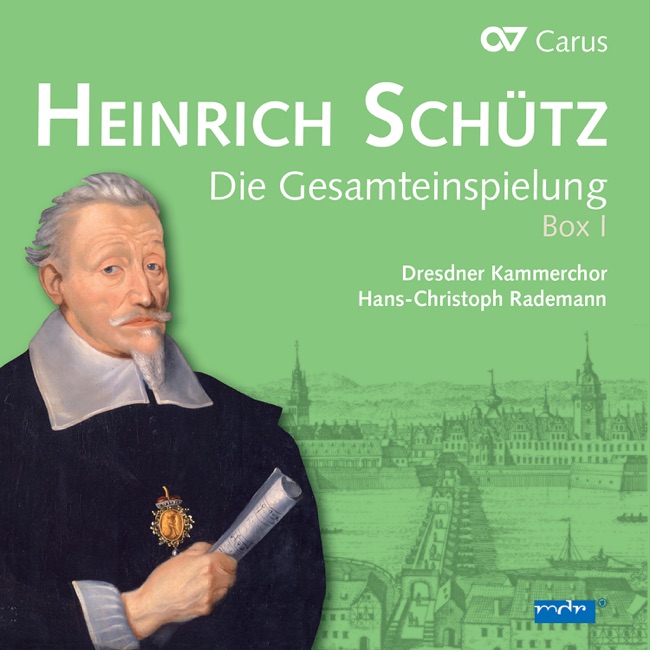
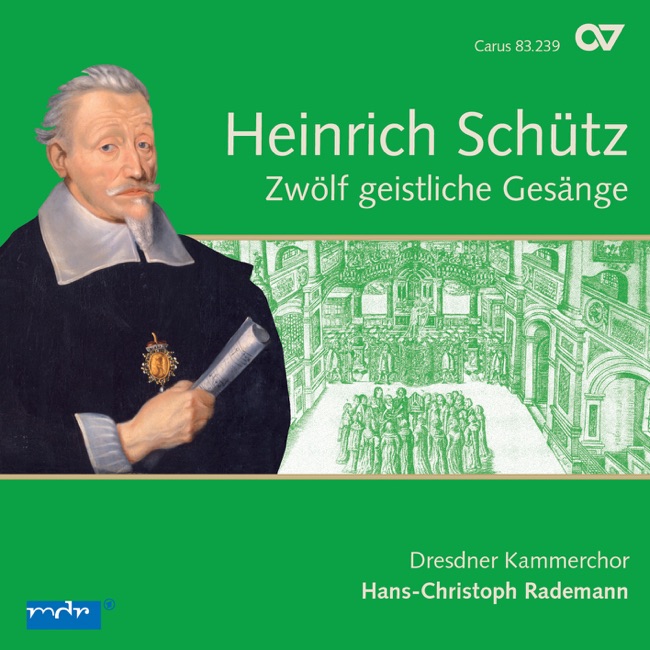
Danksagen wir alle Gott, SWV 425 (Op. 13/6)
Released Album
Recent Album
Works Info
Composer:Heinrich SchützGenre:ChoralPublication Date:1657Average_duration:1:26Heinrich Schütz's 'Danksagen wir alle Gott, SWV 425 (Op. 13/6)' is a sacred choral work that was composed in the early 17th century. The piece was first performed in 1619 in Dresden, Germany, and is part of Schütz's larger collection of sacred works known as the 'Symphoniae Sacrae'. The piece is divided into three movements, each with its own distinct character and musical style. The first movement is a joyful and celebratory chorus that features a lively and rhythmic melody. The second movement is a more contemplative and introspective aria that features a solo voice accompanied by a simple and understated instrumental accompaniment. The final movement is a triumphant and exultant chorus that features a grand and majestic melody. One of the most notable characteristics of 'Danksagen wir alle Gott' is its use of polyphony, which is a musical technique that involves multiple voices singing different melodies at the same time. Schütz was a master of polyphony, and this piece showcases his skill in creating complex and intricate harmonies that blend together seamlessly. Another characteristic of the piece is its use of Baroque musical forms and techniques, such as the use of basso continuo and the use of contrasting musical textures and dynamics. The piece also features a variety of vocal and instrumental timbres, including the use of brass and percussion instruments to create a grand and majestic sound. Overall, 'Danksagen wir alle Gott' is a powerful and uplifting work that showcases Schütz's mastery of sacred choral music. Its joyful and celebratory tone makes it a popular choice for religious services and concerts, and its intricate harmonies and complex musical forms make it a favorite among music scholars and enthusiasts.More....
Works Music
Released Music
1
1:26
2
We all give thanks to God, SWV 425 (Op. 13/6)
Danksagen wir alle Gott, unserm Herren Christo, SWV 425
1:26
Main Perform Artists
Organ
Choir/Chorus
Viola da Gamba