Silvius Leopold Weiss
Bourrée for lute in C major, WeissSW 12* (Smith 111)
Released Album
Recent Album
Works Info
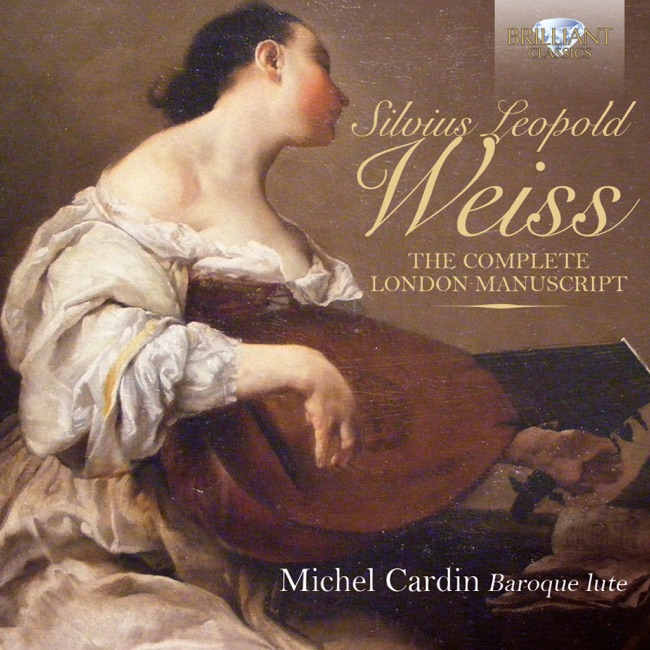
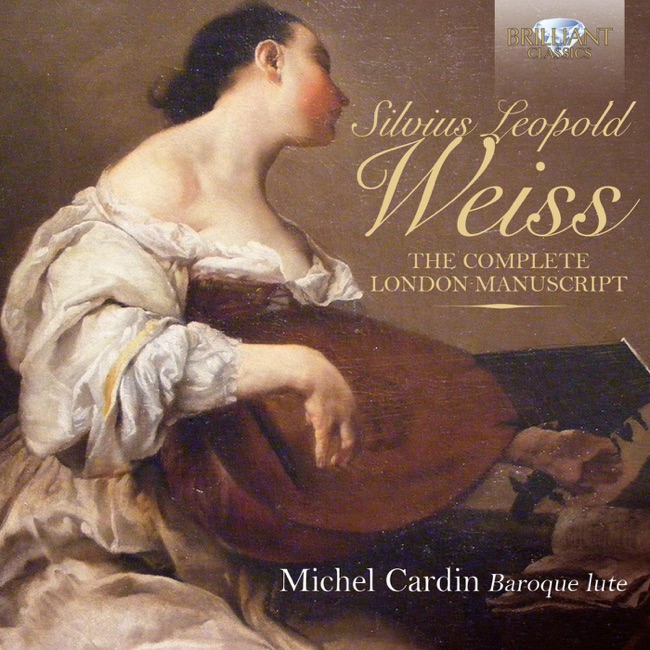
Composer:Silvius Leopold WeissGenre:ChamberAverage_duration:3:16Silvius Leopold Weiss was a German composer and lutenist who lived from 1687 to 1750. He was one of the most important lute composers of the Baroque era, and his works are still widely performed today. One of his most famous pieces is the Bourrée for lute in C major, WeissSW 12* (Smith 111). The Bourrée for lute in C major was composed by Weiss in the early 18th century. The exact date of composition is not known, but it is believed to have been written sometime between 1700 and 1720. The piece is a solo work for the lute, which was a popular instrument during the Baroque era. The Bourrée for lute in C major is a short piece, consisting of only one movement. It is written in the key of C major and has a moderate tempo. The piece is in binary form, meaning that it has two distinct sections that are repeated. The first section is in C major and the second section is in G major. The piece ends with a short coda that brings it to a close. The Bourrée for lute in C major is a typical example of a Baroque dance form. The bourrée was a popular dance in France during the 17th and 18th centuries, and many composers wrote music for it. The bourrée is a lively dance in triple meter, and the music for it often features a strong rhythmic pulse and a catchy melody. Weiss's Bourrée for lute in C major is a charming and elegant piece of music. It is characterized by its lively rhythm and catchy melody, which are typical of the bourrée dance form. The piece is also notable for its use of ornamentation, which was a common feature of Baroque music. Ornamentation refers to the embellishments that a performer adds to the music, such as trills, mordents, and turns. These ornaments add interest and variety to the music and allow the performer to showcase their technical skill. Overall, the Bourrée for lute in C major is a delightful example of Baroque music. Its catchy melody, lively rhythm, and use of ornamentation make it a popular piece for lute players and audiences alike.More....
Works Music