


Silvius Leopold Weiss
Released Album
Chamber
-
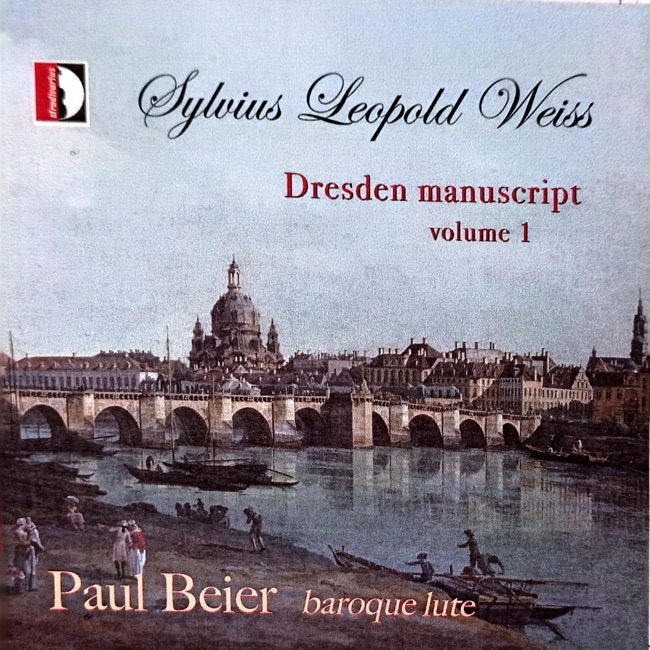 June 28, 2024
 -

-
 November 7, 2023
 -
-
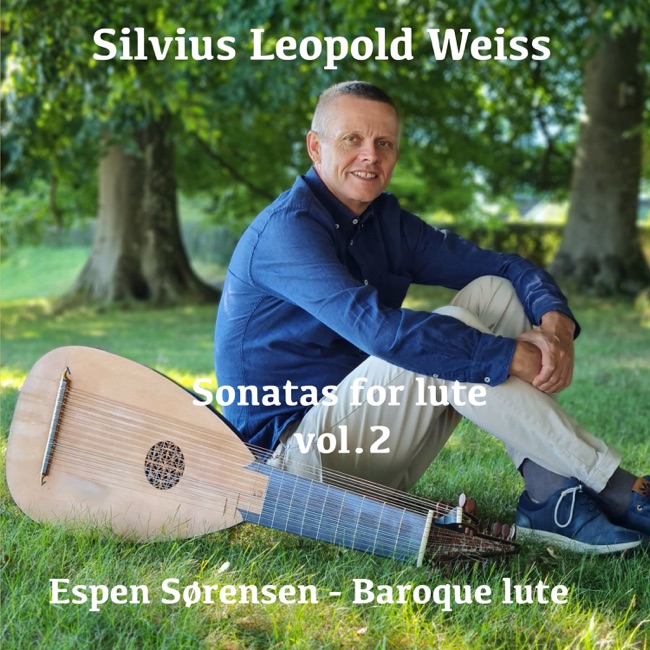 December 9, 2022
 -
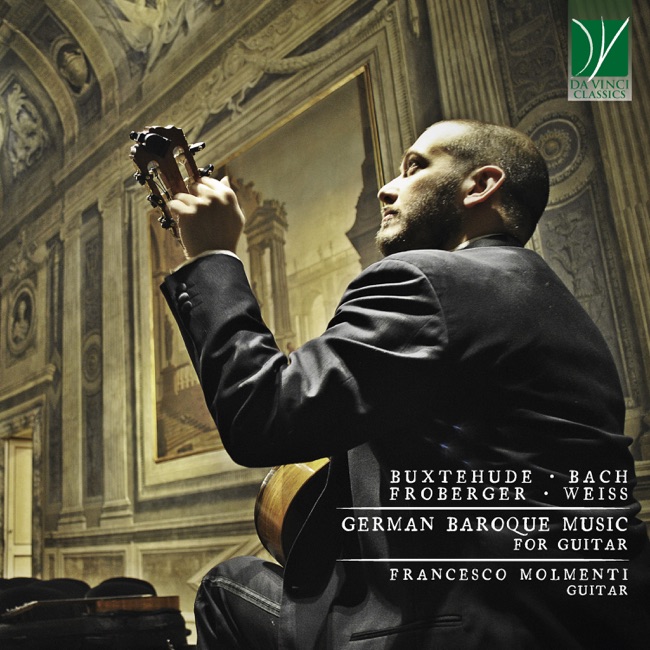 November 25, 2022
Artist Info
Role:ComposerCountry: GermanyBirth:October 12, 1686 in Breslau, PolandDeath:October 16, 1750 in Dresden, GermanyPeriod:BaroqueGenre:ChamberSilvius Leopold Weiss was a German composer and lutenist who lived during the Baroque period. He was born in Grottkau, Silesia (now part of Poland) on October 12, 1687. His father, Johann Jacob Weiss, was also a lutenist and composer, and he likely gave his son his first musical training. Weiss showed great talent on the lute from a young age, and he began performing publicly as a teenager. In 1706, Weiss entered the service of Johann Adolf I, Duke of Saxe-Weissenfels, as a court musician. He remained in this position for several years, during which time he composed many works for the lute. In 1718, Weiss left the court of Saxe-Weissenfels and began working for the court of Dresden, where he would remain for the rest of his life. Weiss was highly regarded as a lutenist during his lifetime, and he was known for his virtuosic playing and his ability to improvise. He composed over 600 works for the lute, including sonatas, suites, and concertos. His music is characterized by its intricate counterpoint, its use of ornamentation, and its expressive melodies. One of Weiss's most famous works is his Sonata No. 36 in D minor, which is often referred to as the "Tombeau sur la mort de M. Comte de Logy." This piece is a tribute to Johann Anton Logy, a fellow lutenist who was a friend and colleague of Weiss. The sonata is a beautiful and melancholy work, with a slow and mournful opening movement followed by a lively and dance-like second movement. Another notable work by Weiss is his Suite No. 14 in G minor, which is sometimes called the "London Manuscript." This suite is one of Weiss's most complex and ambitious works, with a wide range of moods and textures. It includes a prelude, allemande, courante, sarabande, minuet, and gigue, as well as several other movements. Weiss's music was highly influential during his lifetime, and it continued to be popular among lutenists and guitarists long after his death. His works were published in several collections during the 18th century, and they were widely performed and admired. However, after the Baroque period ended, Weiss's music fell out of favor, and it was largely forgotten for many years. In the 20th century, there was a renewed interest in Weiss's music, and many recordings of his works were made. Today, he is considered one of the greatest lutenists and composers of the Baroque period, and his music is admired for its beauty, complexity, and emotional depth. Silvius Leopold Weiss died in Dresden on October 16, 1750. He was buried in the Frauenkirche, one of the city's most famous churches. Although his music was largely forgotten for many years, it has since been rediscovered and celebrated, and it continues to be performed and admired by musicians and music lovers around the world.More....
Recent Artist Music
1

1:21
3

Tomb on the death of Monsieur Comte de Logy, Smith 210
Tombeau sur la mort de Mr. Comte de Logy
6:31




9
5:6

12

2:13

Recommend Playlist







Copyright Ⓒ 2013 Davinci Finger. All rights reseved
Service Terms & Policy