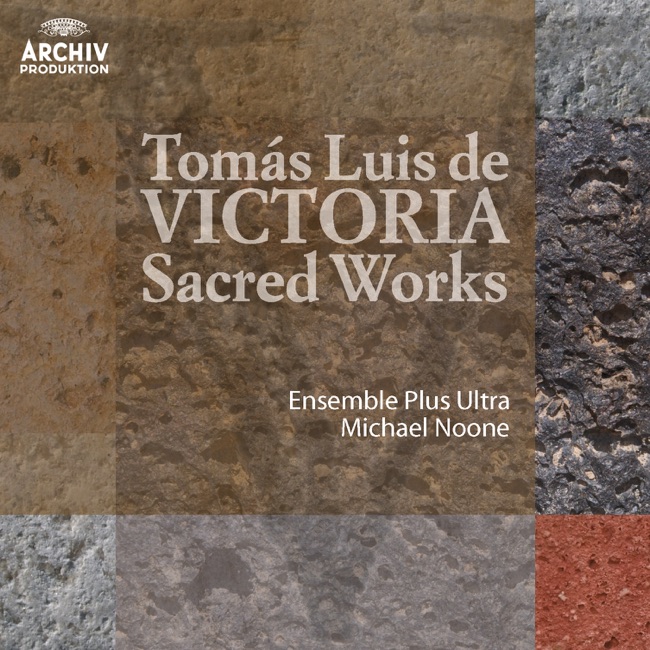
Tomás Luis de Victoria
Conditor alme siderum
Released Album
Recent Album
Works Info
Composer:Tomás Luis de VictoriaGenre:ChoralStyle:ChoralPublication Date:1585Average_duration:3:38"Conditor alme siderum" is a hymn composed by Tomás Luis de Victoria, a Spanish composer of the Renaissance era. The hymn is also known as "Creator of the Stars of Night" and is a popular Advent hymn in the Western Christian tradition. Victoria composed "Conditor alme siderum" in the late 16th century, during his tenure as the maestro di cappella at the Collegium Germanicum in Rome. The hymn is written in Latin and is based on a text attributed to the 7th-century poet and hymnographer, Ambrose of Milan. The hymn is typically performed in four movements, with each movement corresponding to a different verse of the text. The first movement is a simple, unaccompanied setting of the first verse, which begins with the words "Creator of the stars of night." The second movement is a polyphonic setting of the second verse, which begins with the words "Thou who art the everlasting light." The third movement is a setting of the third verse, which begins with the words "Redeemer of the nations, come." This movement is typically more complex than the previous two, with more intricate polyphony and a greater sense of urgency. The final movement is a setting of the fourth verse, which begins with the words "To thee, O Christ, our God, we pray." This movement is typically the most elaborate of the four, with a more expansive structure and a greater sense of grandeur. One of the characteristics of Victoria's setting of "Conditor alme siderum" is its use of polyphony. Victoria was known for his skill in writing polyphonic music, and this hymn is no exception. The polyphony in the second and third movements is particularly complex, with multiple voices weaving in and out of each other to create a rich, layered texture. Another characteristic of Victoria's setting is its use of dissonance. Victoria was known for his use of dissonance to create tension and drama in his music, and this hymn is no exception. The dissonances in the third movement, in particular, create a sense of urgency and longing for the coming of Christ. "Conditor alme siderum" premiered in the late 16th century and has since become a beloved Advent hymn in the Western Christian tradition. Victoria's setting of the hymn is considered one of the most beautiful and complex settings of the text, and it continues to be performed and recorded by choirs and vocal ensembles around the world.More....