


Tomás Luis de Victoria
Ascendens Christus in altum
Released Album
Recent Album
Works Info
Composer:Tomás Luis de VictoriaGenre:ChoralStyle:MotetCompose Date:1572Average_duration:4:28Ascendens Christus in altum is a sacred motet composed by Tomás Luis de Victoria, a Spanish composer of the Renaissance era. The piece was composed in the late 16th century and was first performed in 1572. It is a part of Victoria's collection of motets, which are known for their intricate polyphonic textures and expressive harmonies. The motet is divided into three movements, each of which reflects a different aspect of the Ascension of Christ. The first movement, "Ascendens Christus in altum," is a joyful celebration of Christ's ascent into heaven. The music is characterized by a lively tempo, bright harmonies, and soaring vocal lines that evoke the sense of Christ rising up into the sky. The second movement, "Sedebit Dominus Rex," is a more contemplative piece that reflects on the majesty and power of Christ as he takes his place at the right hand of God. The music is slower and more subdued, with rich harmonies and a sense of awe and reverence. The final movement, "Alleluia. Ego vos elegi," is a triumphant declaration of Christ's victory over death and his promise of eternal life. The music is characterized by a fast tempo, intricate counterpoint, and soaring vocal lines that convey a sense of joy and exultation. Overall, Ascendens Christus in altum is a masterful example of Victoria's skill as a composer. The piece showcases his ability to create complex polyphonic textures while still maintaining a sense of clarity and expressiveness. It is a powerful and moving work that continues to be performed and admired by musicians and audiences alike.More....
Works Music
Released Music
1
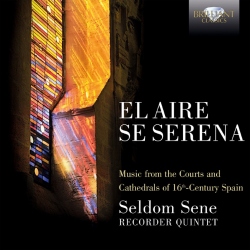
Ascending Christ in altum
Ascendens Christus in altum (Thomæ Ludovici de Victoria, Abulensis. Motecta..., Venice, 1572)
4:56
5
4:50
6
4:57
7
5:4
8
5:6