


Joachim Raff
Symphony No. 4 in G minor, Op. 167
Released Album
Recent Album
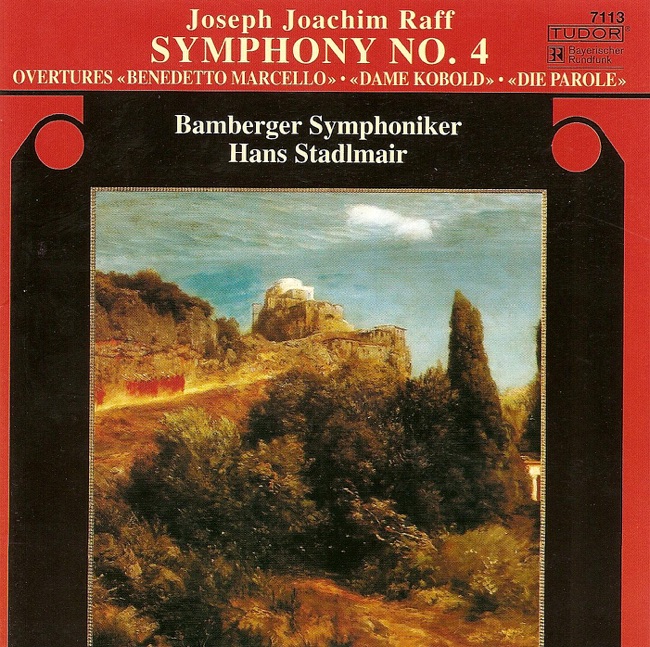
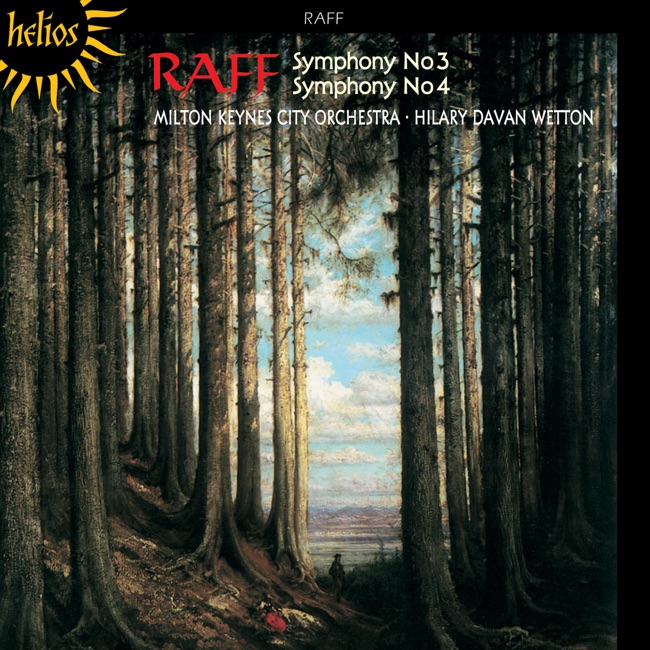
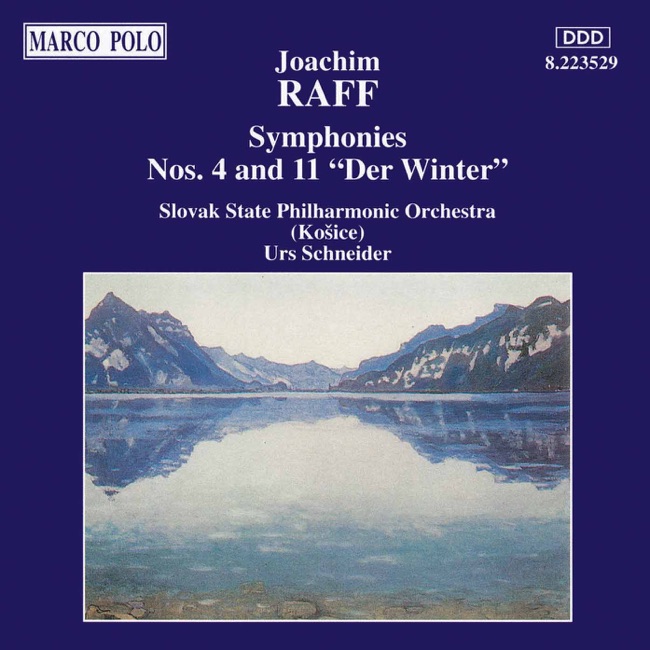
Works Info
Composer:Joachim RaffGenre:SymphonyStyle:SymphonyCompose Date:1871Average_duration:33:38Movement_count:4Movement ....Joachim Raff's Symphony No. 4 in G minor, Op. 167, was composed in 1874 and premiered in Wiesbaden, Germany, on February 22, 1875. The symphony is divided into four movements and has a total running time of approximately 45 minutes. The first movement, marked Allegro, begins with a dramatic and intense introduction featuring the full orchestra. The main theme is then introduced by the strings and developed throughout the movement. The second theme, introduced by the woodwinds, provides a contrast to the first theme and is also developed throughout the movement. The movement ends with a powerful coda. The second movement, marked Andante, is a lyrical and expressive piece featuring the strings. The main theme is introduced by the violins and is then passed on to the other string sections. The middle section of the movement features a solo oboe accompanied by the strings. The movement ends with a quiet and peaceful coda. The third movement, marked Scherzo, is a lively and energetic piece featuring the woodwinds and brass. The main theme is introduced by the clarinet and is then passed on to the other woodwind sections. The trio section of the movement features a lyrical and expressive theme played by the strings. The movement ends with a reprise of the scherzo theme. The fourth and final movement, marked Allegro, is a triumphant and powerful piece featuring the full orchestra. The main theme is introduced by the brass and is then developed throughout the movement. The middle section of the movement features a lyrical and expressive theme played by the strings. The movement ends with a grand and majestic coda. Overall, Raff's Symphony No. 4 in G minor, Op. 167, is a masterful work that showcases his skill as a composer. The symphony features a wide range of emotions and musical styles, from the dramatic and intense first movement to the triumphant and powerful final movement. The use of orchestration and thematic development throughout the symphony is also notable, making it a significant contribution to the Romantic era of classical music.More....
Works Music
Released Music
1
10:15
2
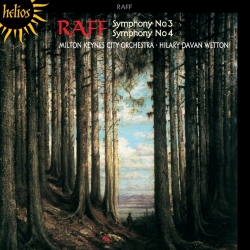
10:34
3
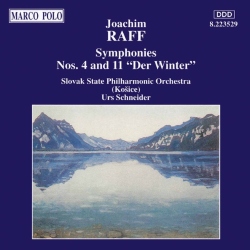
10:29