


Joachim Raff
Released Album
Chamber
-
 November 4, 2022
 -
 February 4, 2022
 -
 July 10, 2020
 -
 April 16, 2020
 -
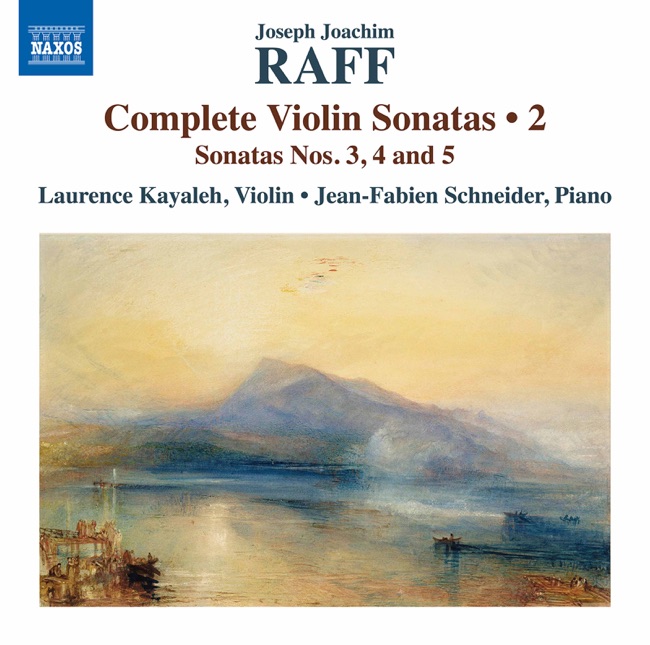 November 8, 2019
 -
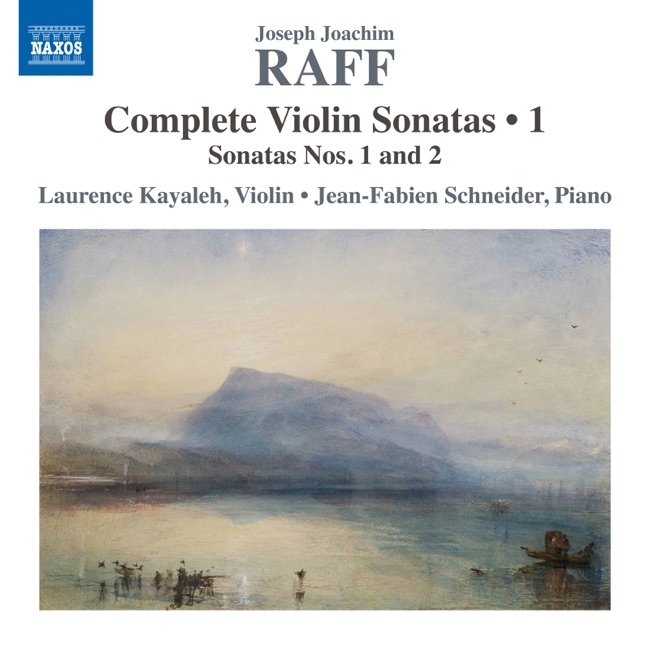 September 13, 2019
Keyboard
-
 November 1, 2021
 -
 September 6, 2021
 -
 July 5, 2021
 -
 May 3, 2021
 -
 March 1, 2021
 -
 January 16, 2020
Symphony
-
-
 November 3, 2017
 -
 November 3, 2017
 -
 February 4, 2013
 -
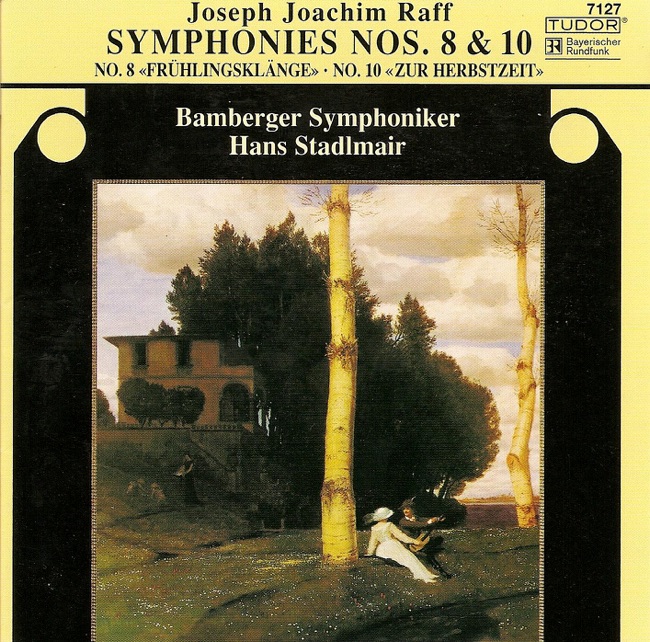 May 29, 2007
 -
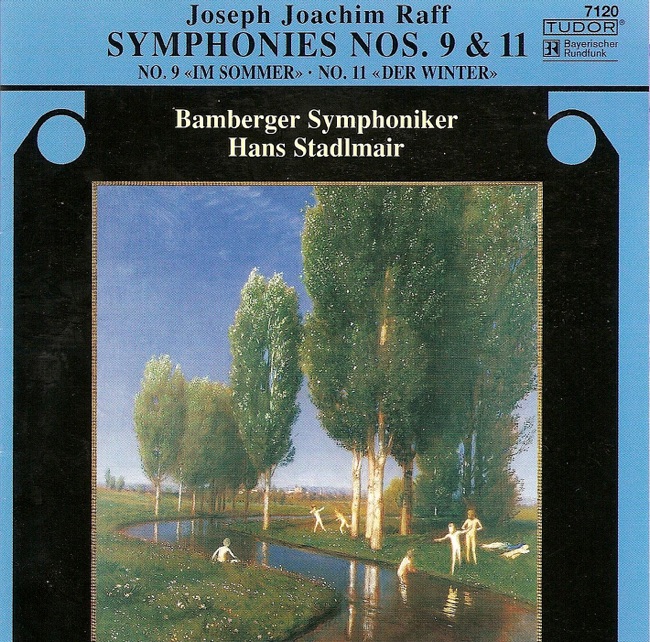 May 29, 2007
Orchestral
-
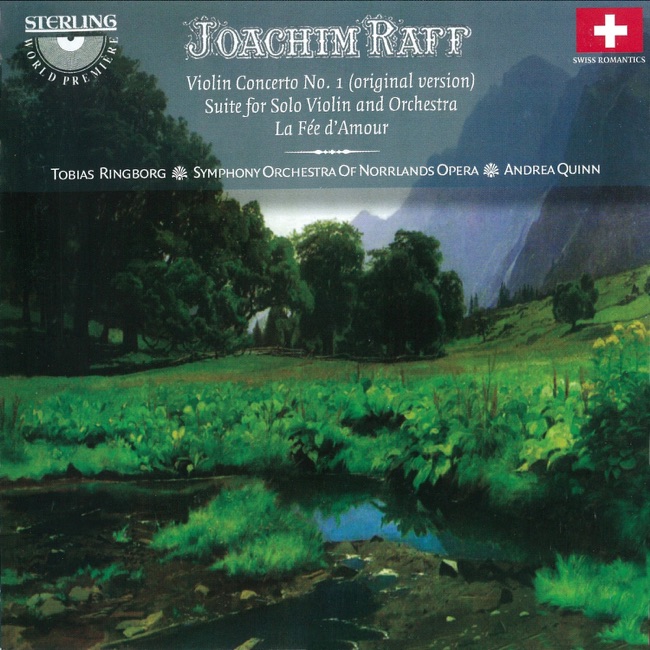
-
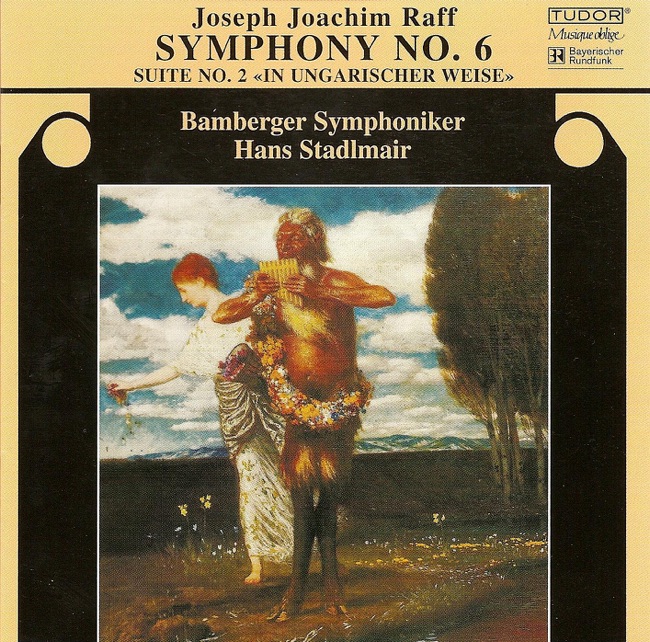 December 27, 2005
 -
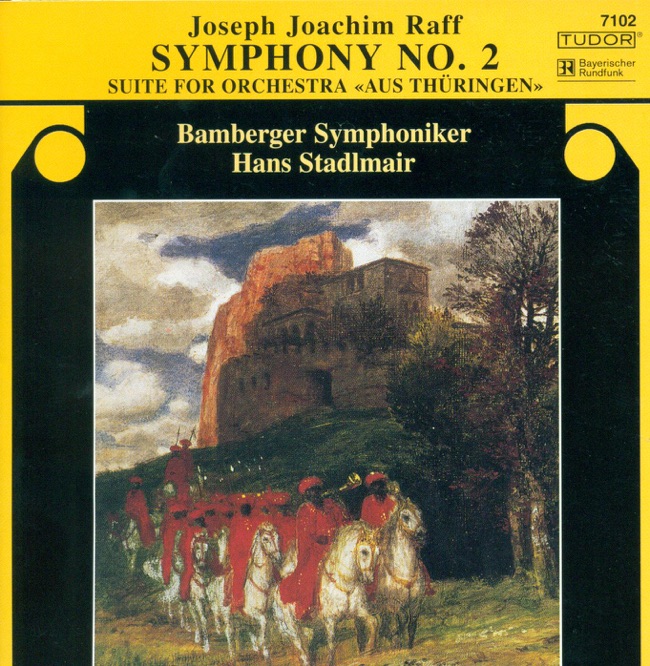 November 8, 2005
 -
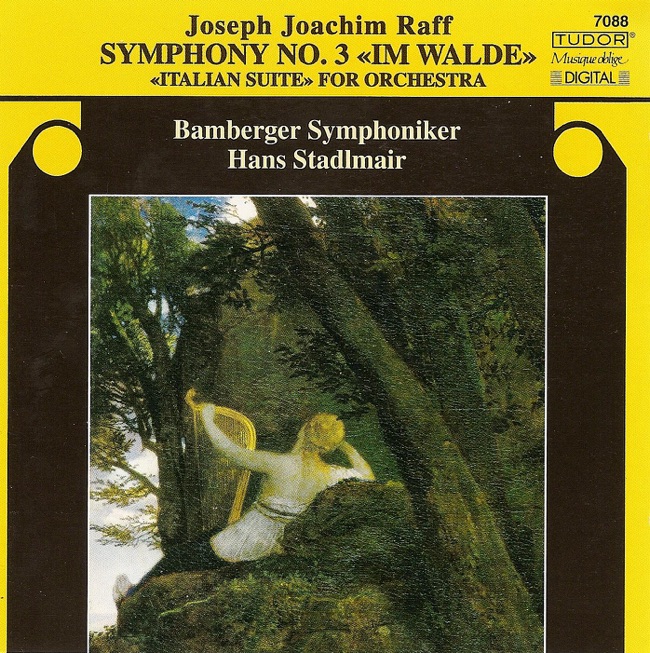 November 8, 2005
 -
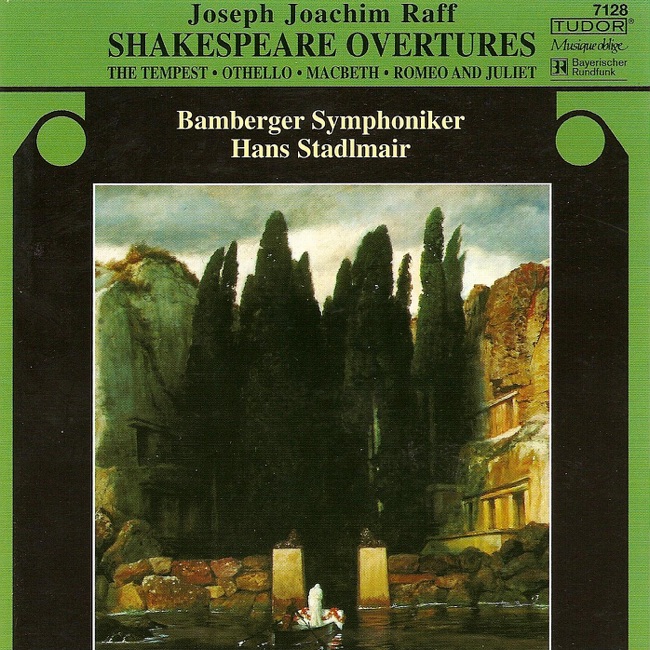 August 2, 2005
 -
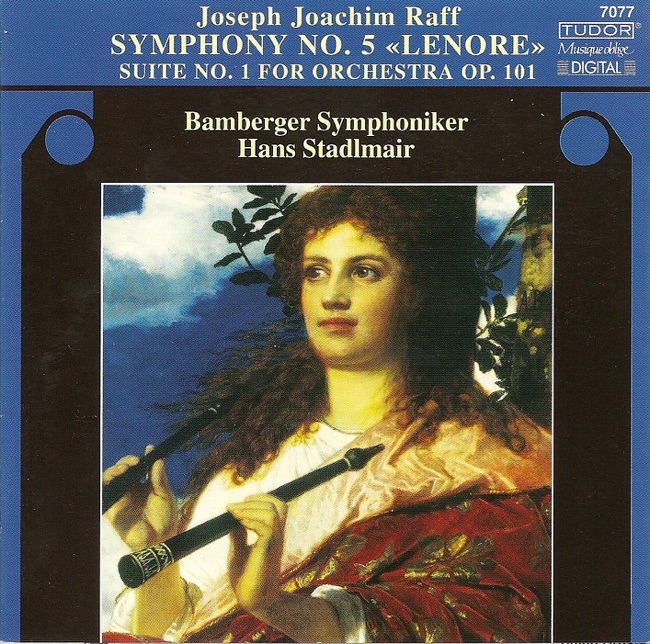
Artist Info
Role:ComposerCountry: SwitzerlandBirth:May 27, 1822 in Lachen, SwitzerlandDeath:June 24, 1882 in Frankfurt, GermanyPeriod:RomanticGenre:ChamberKeyboardOrchestralSymphonyJoachim Raff was a Swiss-German composer who was born on May 27, 1822, in Lachen, Switzerland. He was the son of a teacher and grew up in a musical family. His father was a violinist and his mother was a singer. Raff showed an early interest in music and began playing the piano at the age of eight. He later studied music in Zurich and then in Stuttgart, where he became a student of the composer and conductor Franz Liszt. Raff's early compositions were influenced by the music of Liszt and other Romantic composers of the time. He wrote his first symphony, Symphony No. 1 in D minor, at the age of 20. The symphony was well-received and helped establish Raff as a promising young composer. In 1845, Raff moved to Weimar, where he became a close friend of Liszt. He worked as Liszt's assistant and helped him with the preparation of his piano works for publication. Raff also composed several works during this time, including his Piano Sonata in E-flat major and his String Quartet No. 1 in E-flat major. In 1850, Raff moved to Wiesbaden, where he worked as a conductor and composer. He became the conductor of the Wiesbaden Orchestra and wrote several works for the orchestra, including his Symphony No. 3 in F major and his Overture to Shakespeare's "The Tempest." Raff also wrote several operas during this time, including "König Alfred" and "Dame Kobold." In 1877, Raff moved to Frankfurt, where he became the director of the Hoch Conservatory. He held this position until his death in 1882. During his time at the conservatory, Raff taught several notable composers, including Edward MacDowell and Percy Grainger. Raff's music was highly regarded during his lifetime, but it fell out of favor after his death. However, in recent years, there has been a renewed interest in his music, and several of his works have been recorded and performed. One of Raff's most famous works is his Symphony No. 5 in E major, also known as the "Lenore Symphony." The symphony is based on the ballad "Lenore" by Gottfried August Bürger and tells the story of a woman who is haunted by the ghost of her dead lover. The symphony is notable for its use of programmatic elements, such as the use of a funeral march and the depiction of the ghostly apparition. Another notable work by Raff is his Piano Concerto No. 2 in C minor. The concerto is known for its virtuosic piano writing and its use of thematic transformation. The concerto was premiered in 1861 by the pianist Hans von Bülow, who was a close friend of Raff. Raff also wrote several chamber works, including his String Quartet No. 5 in A minor and his Piano Quintet in A minor. These works are notable for their use of counterpoint and their intricate textures. In addition to his compositions, Raff was also known for his writings on music. He wrote several books on music theory and composition, including "Harmony Simplified" and "Form in Music." These books were widely read and influenced many composers of the time. Overall, Joachim Raff was a highly regarded composer and conductor of the Romantic era. His music was known for its programmatic elements, its use of thematic transformation, and its intricate textures. While his music fell out of favor after his death, there has been a renewed interest in his music in recent years, and his works continue to be performed and recorded.More....
Recent Artist Music
1
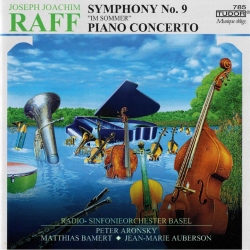
13:54
2
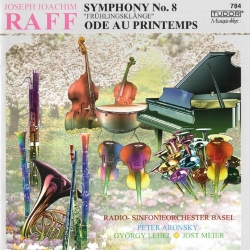
18:7
3
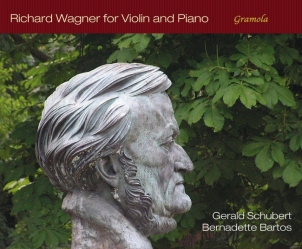
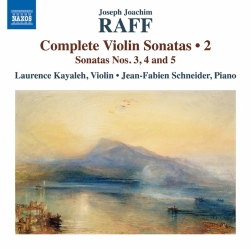
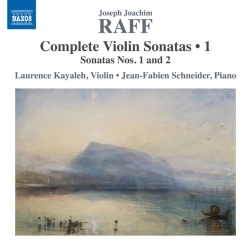
Duets (3) on motifs from Wagner's Operas, Op. 63
Wagner's "Tannhäuser" Duo for Violin and Piano on Motifs
13:1
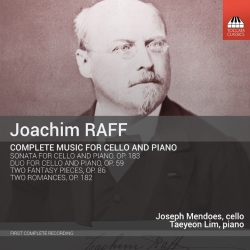
9
9:12
12
Study for piano "The Spinner", Op. 157/2
La Fileuse, Op. 157/2 (Arr. Gibilaro for Piano and Orchestra)
3:52




Related Artists
Copyright Ⓒ 2013 Davinci Finger. All rights reseved
Service Terms & Policy