


Heinrich Schütz
Siehe, mein Fürsprecher ist im Himmel, SWV 304 (Op. 8/23) (2 versions)
Released Album
Recent Album

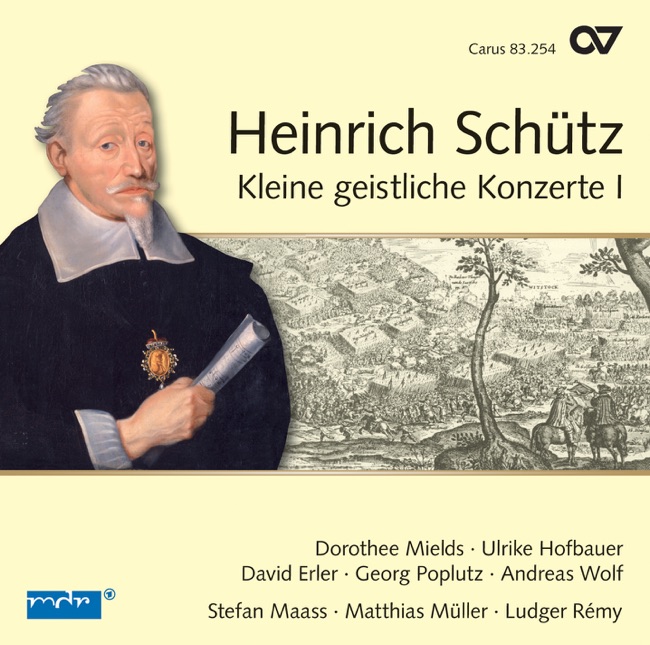
Works Info
Composer:Heinrich SchützGenre:ChoralStyle:ChoralPublication Date:1636Average_duration:4:16Heinrich Schütz's 'Siehe, mein Fürsprecher ist im Himmel' is a sacred vocal work that was composed in the early 17th century. The piece was first performed in 1629 and is part of Schütz's larger collection of works known as the 'Symphoniae Sacrae'. The work is based on a biblical text from the book of Job and is written for a five-part choir with basso continuo. The piece is divided into two movements, with the first movement being a setting of the text 'Siehe, mein Fürsprecher ist im Himmel' (Behold, my advocate is in heaven). The second movement is a setting of the text 'Ich weiß, dass mein Erlöser lebt' (I know that my Redeemer lives). The first movement is characterized by its use of polyphony, with each voice part weaving in and out of each other to create a rich and complex texture. The second movement is more homophonic in nature, with the choir singing in unison for much of the piece. Schütz's 'Siehe, mein Fürsprecher ist im Himmel' is notable for its use of chromaticism and dissonance, which were relatively new techniques at the time of its composition. The piece also features a basso continuo part, which was a common feature of Baroque music. The basso continuo provides a harmonic foundation for the choir and is played by a keyboard instrument (such as a harpsichord) and a bass instrument (such as a cello or bassoon). There are two versions of 'Siehe, mein Fürsprecher ist im Himmel', with the second version being a revision of the first. The second version features some changes to the vocal parts and the addition of a viola da gamba part to the basso continuo. The second version is generally considered to be the superior of the two, with its added instrumentation providing a richer and more varied sound. Overall, Schütz's 'Siehe, mein Fürsprecher ist im Himmel' is a beautiful and complex piece of sacred music that showcases the composer's mastery of polyphony and chromaticism. Its use of the basso continuo and its incorporation of new musical techniques make it an important work in the development of Baroque music.More....
Works Music
Released Music
1

3:37
2
Behold my Advocate is in Heaven, SWV 304 (Op. 8/23) (2 versions)
Siehe, mein Fürsprecher ist im Himmel, SWV 304
3:37
Main Perform Artists
Tenor (Vocal)
Bass (Vocal)
Alto (Vocals)
Lute
Tenor (Vocal)
Soprano (Vocal)
Bass (Vocal)
Violin