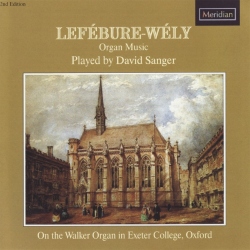
Louis James Alfred Lefébure-Wély
March for organ in C major
Released Album
Recent Album

Works Info
Composer:Louis James Alfred Lefébure-WélyGenre:KeyboardStyle:MarchAverage_duration:5:24Louis James Alfred Lefébure-Wély was a French organist and composer who lived from 1817 to 1869. He was known for his virtuosic organ playing and his innovative compositions, which combined elements of classical music with popular dance forms. One of Lefébure-Wély's most famous works is his "March for organ in C major," which was composed in the mid-19th century. The piece is a lively and energetic march that showcases the power and versatility of the organ. The "March for organ in C major" is divided into three movements, each with its own distinct character and mood. The first movement is marked "Allegro," and features a bold and triumphant melody that is played by the organ's trumpet stops. The second movement is marked "Andante," and is more subdued and introspective. It features a lyrical melody that is played by the organ's flute stops. The third movement is marked "Allegro vivace," and is a return to the energetic and lively character of the first movement. It features a fast and intricate melody that is played by the organ's reed stops. One of the most notable characteristics of the "March for organ in C major" is its use of the organ's various stops and registers. Lefébure-Wély was known for his innovative use of the organ's tonal colors, and this piece is a prime example of his skill in this area. The piece also features a number of technical challenges for the organist, including rapid fingerwork and complex pedal passages. The "March for organ in C major" premiered in Paris in the mid-19th century, and quickly became a popular piece among organists and audiences alike. Its lively and energetic character, combined with its technical challenges and innovative use of the organ's tonal colors, have made it a staple of the organ repertoire to this day.More....
Works Music
Released Music
1

2:7