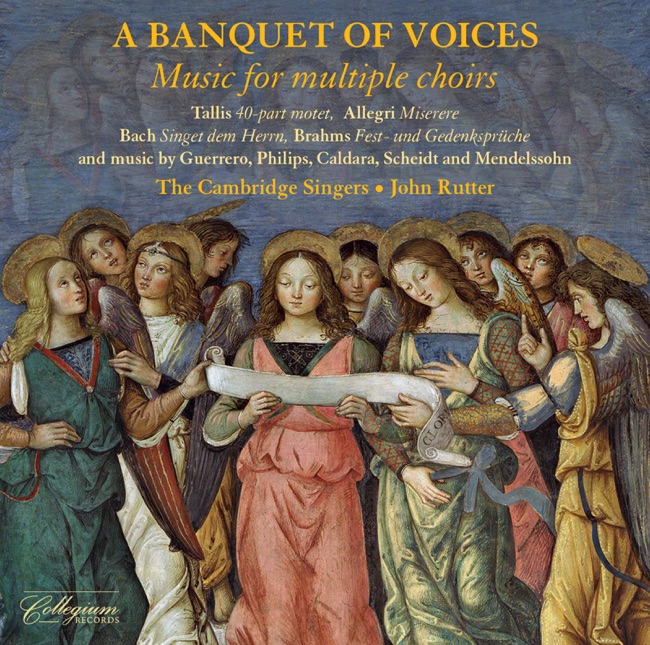
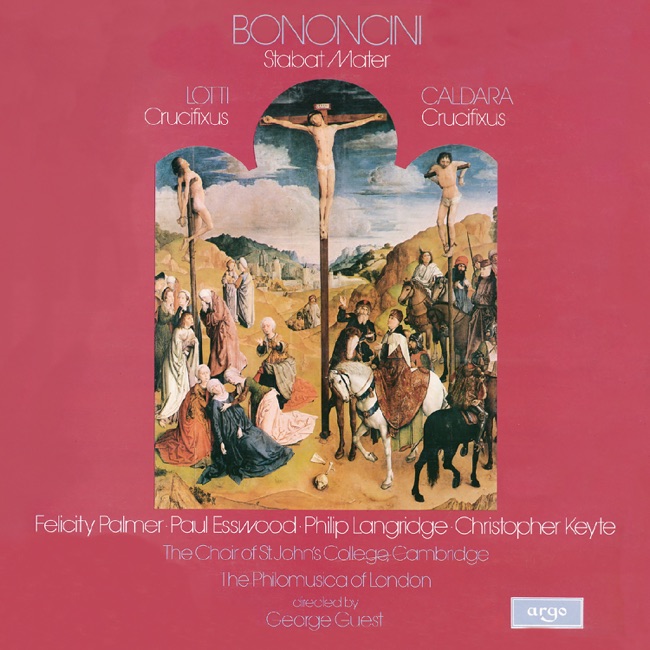
Antonio Caldara
Crucifixus
Released Album
Recent Album
Works Info
Composer:Antonio CaldaraGenre:ChoralStyle:ChorusAverage_duration:4:45Antonio Caldara's 'Crucifixus' is a sacred choral work that was composed in the Baroque era. The exact date of composition is unknown, but it is believed to have been written in the early 18th century. The piece was likely composed for use in the Catholic Church, as it is a setting of the text of the Nicene Creed, which is recited during Mass. 'Crucifixus' is a six-movement work that is typically performed by a choir and orchestra. The first movement is a choral setting of the words "Crucifixus etiam pro nobis" ("He was crucified also for us"), which is repeated several times throughout the movement. The second movement is a duet for soprano and alto, which sets the words "Et resurrexit tertia die" ("And on the third day he rose again"). The third movement is a choral setting of the words "Et iterum venturus est cum gloria" ("And he shall come again in glory"), which is followed by a fourth movement that is a duet for tenor and bass, setting the words "Et in Spiritum Sanctum" ("And in the Holy Spirit"). The fifth movement is a choral setting of the words "Et unam sanctam catholicam et apostolicam Ecclesiam" ("And one holy catholic and apostolic Church"), which is followed by a final movement that is a choral setting of the words "Et vitam venturi saeculi" ("And the life of the world to come"). Throughout the work, Caldara employs a variety of musical techniques, including polyphony, homophony, and imitation, to create a rich and complex texture. One of the most striking characteristics of 'Crucifixus' is its use of dissonance. Caldara frequently employs dissonant harmonies and suspensions to create a sense of tension and drama in the music. This is particularly evident in the first movement, where the repeated phrase "Crucifixus etiam pro nobis" is set against a series of dissonant chords that create a sense of anguish and sorrow. Overall, 'Crucifixus' is a powerful and moving work that showcases Caldara's skill as a composer. Its use of dissonance and complex textures make it a challenging piece for performers, but its emotional impact and spiritual depth make it a beloved work in the sacred choral repertoire.More....
Works Music
Released Music