


Alexander Scriabin
Mazurkas (10) for piano, Op. 3
Released Album
Recent Album

Featured Album
Works Info
Composer:Alexander ScriabinGenre:KeyboardStyle:Character PieceCompose Date:1889Average_duration:35:24Movement_count:10Movement ....Alexander Scriabin's 'Mazurkas (10) for piano, Op. 3' is a collection of ten pieces for solo piano, composed in 1888 when Scriabin was just 16 years old. The collection was premiered by the composer himself in Moscow in the same year. The ten mazurkas are each relatively short, with an average duration of around two minutes. They are all written in the traditional mazurka form, which originated in Poland and was popularized in the 19th century by composers such as Chopin. The mazurka is a lively dance in triple meter, characterized by its syncopated rhythms and emphasis on the second or third beat of the measure. Despite their adherence to the traditional mazurka form, Scriabin's pieces are notable for their harmonic and rhythmic complexity, as well as their use of chromaticism and dissonance. The composer's early interest in mysticism and theosophy is also evident in the pieces, which often feature unusual harmonies and unexpected modulations. The first mazurka in the collection, marked Allegro, is a lively and energetic piece with a syncopated rhythm and a playful melody. The second, marked Andante, is more lyrical and introspective, with a flowing melody and a more subdued mood. The third, marked Allegro, is a virtuosic tour-de-force with rapid runs and arpeggios. The fourth mazurka, marked Andante, is one of the most famous in the collection, with a hauntingly beautiful melody and a melancholy mood. The fifth, marked Allegro, is a lively and playful piece with a syncopated rhythm and a catchy melody. The sixth, marked Andante, is a more introspective and lyrical piece with a flowing melody and a more subdued mood. The seventh mazurka, marked Allegro, is a virtuosic piece with rapid runs and arpeggios, while the eighth, marked Andante, is a more introspective and lyrical piece with a flowing melody and a more subdued mood. The ninth, marked Allegro, is a lively and playful piece with a syncopated rhythm and a catchy melody, while the tenth and final mazurka, marked Andante, is a more introspective and lyrical piece with a flowing melody and a more subdued mood. Overall, Scriabin's 'Mazurkas (10) for piano, Op. 3' are a fascinating early work by a composer who would go on to become one of the most innovative and influential figures in 20th-century music. Despite their adherence to the traditional mazurka form, the pieces are notable for their harmonic and rhythmic complexity, as well as their use of chromaticism and dissonance, and offer a glimpse into the young composer's developing style and interests.More....
Works Music
Released Music
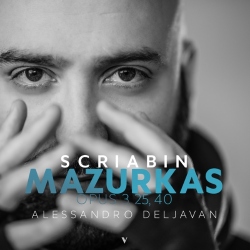
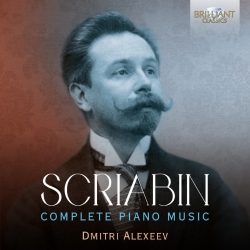
Featured Music
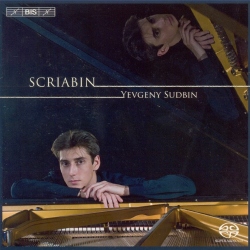

Main Perform Artists
Piano
Piano
Piano
Piano
Piano
Piano