


Paul Hindemith
Trio for strings No. 2
Released Album
Recent Album
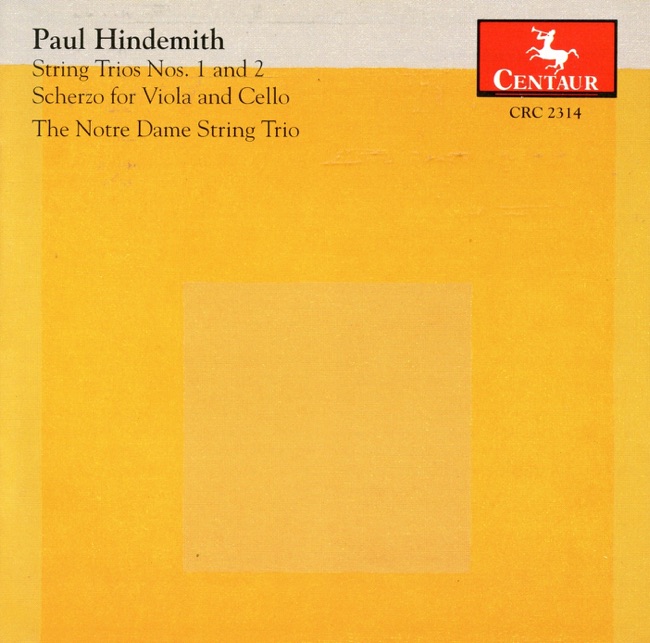
Featured Album
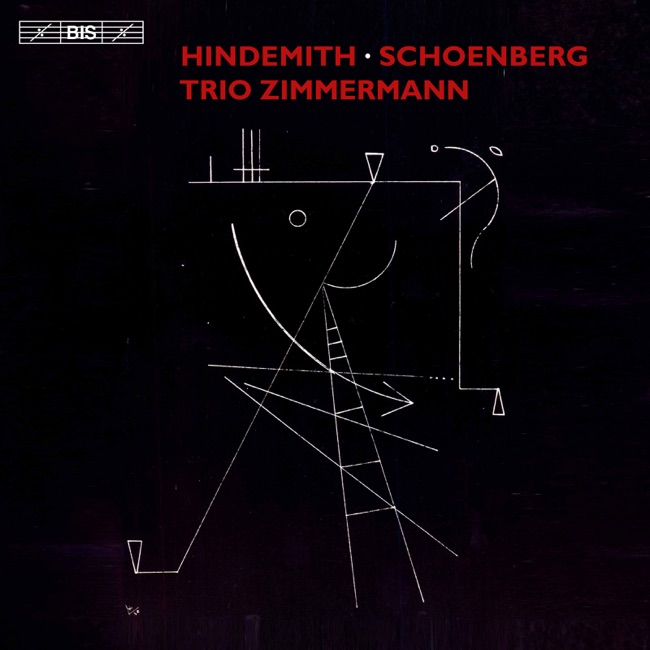
Works Info
Composer:Paul HindemithGenre:ChamberStyle:Chamber MusicCompose Date:1933Average_duration:23:17Movement_count:3Movement ....Paul Hindemith's Trio for Strings No. 2 is a chamber music piece composed in 1922. It premiered on October 23, 1922, in Donaueschingen, Germany, with the composer himself playing the viola part. The piece is divided into four movements, each with its own distinct character and mood. The first movement, marked "Massig schnell," is a lively and energetic piece with a strong rhythmic drive. The opening theme is introduced by the first violin and is then taken up by the other instruments in turn. The music is characterized by its use of shifting meters and complex polyrhythms, which give it a sense of constant motion and momentum. The second movement, marked "Langsam," is a slow and contemplative piece that contrasts sharply with the first. The music is marked by long, sustained notes and a sense of spaciousness and stillness. The viola takes the lead in this movement, with the other instruments providing a gentle accompaniment. The third movement, marked "Lebhaft," is a lively and playful piece that returns to the energy and rhythmic drive of the first movement. The music is marked by its use of syncopation and offbeat accents, which give it a sense of lightness and buoyancy. The movement features a number of playful exchanges between the instruments, as well as a brief fugue-like section. The final movement, marked "Sehr langsam," is a slow and mournful piece that brings the trio to a close. The music is marked by its use of long, sustained notes and a sense of deep sadness and introspection. The viola takes the lead once again, with the other instruments providing a somber accompaniment. The movement ends with a quiet, unresolved chord, leaving the listener with a sense of unresolved tension. Overall, Hindemith's Trio for Strings No. 2 is a complex and challenging piece of chamber music that showcases the composer's mastery of rhythm, harmony, and form. Its four movements offer a wide range of moods and emotions, from the lively and playful to the slow and contemplative. The piece remains a popular and influential work in the chamber music repertoire to this day.More....
Works Music
Released Music
1
Trio for strings No. 2
III. Langsam - Schnelle Halbe - Langsam - Schnell, wie vorher - Äußerst lebhaft
8:7
Featured Music
3
Trio for strings No. 2
III. Langsam -Schnelle Halbe- Langsam - Schnell, wie vorher- Äußerst lebhaft
8:7