Franz Joseph Haydn
If e'er ye do well it's a wonder, H. 31a/95
Released Album
Recent Album
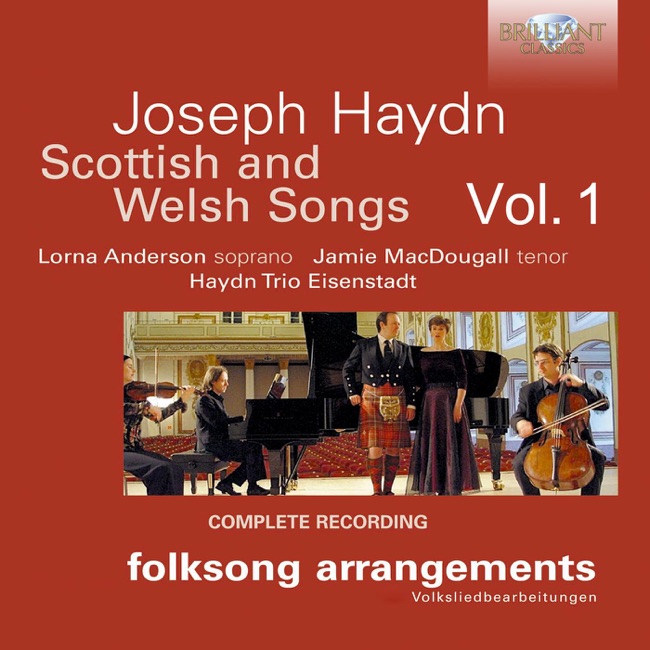
Featured Album
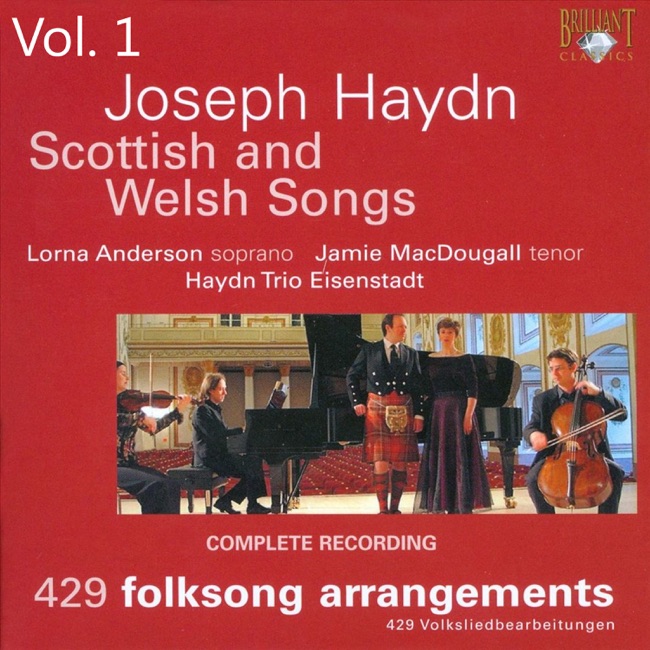
Works Info
Composer:Franz Joseph HaydnGenre:VocalStyle:Vocal MusicCompose Date:before 1792Average_duration:1:34'If e'er ye do well it's a wonder, H. 31a/95' is a choral work composed by Franz Joseph Haydn. The piece was composed in 1766 and premiered in the same year in the court chapel of Prince Nikolaus Esterházy in Eisenstadt, Austria. The work is a part of Haydn's early choral compositions and is written for four-part choir and orchestra. It consists of three movements, with the first and third movements being in a fast tempo and the second movement being in a slow tempo. The first movement is a lively and energetic piece, with the choir and orchestra alternating between sections of imitative counterpoint and homophonic textures. The second movement is a beautiful and expressive aria, featuring a solo soprano accompanied by the orchestra. The final movement is a lively and joyful piece, with the choir and orchestra once again alternating between sections of imitative counterpoint and homophonic textures. The text of the piece is taken from a poem by the English poet John Dryden, and it reflects on the idea that doing good deeds is a rare and wondrous thing. Haydn's setting of the text is characterized by its lively rhythms, expressive melodies, and skillful use of harmony and counterpoint. Overall, 'If e'er ye do well it's a wonder, H. 31a/95' is a charming and delightful choral work that showcases Haydn's early mastery of the genre. Its lively rhythms, expressive melodies, and skillful use of harmony and counterpoint make it a joy to listen to and perform.More....
Works Music