


Charles Villiers Stanford
Magnificat for chorus in B flat major, Op. 164
Released Album
Recent Album
Featured Album
Works Info
Composer:Charles Villiers StanfordGenre:ChoralStyle:MagnificatCompose Date:1879Average_duration:10:08Charles Villiers Stanford's Magnificat for chorus in B flat major, Op. 164, was composed in 1909. It premiered on June 22, 1910, at the Three Choirs Festival in Worcester, England. The work is divided into five movements, each with its own distinct character and musical style. The first movement, "Magnificat anima mea Dominum," is a joyful and exuberant setting of the text. The choir sings in unison, with occasional harmonies and counterpoint, creating a sense of unity and celebration. The second movement, "Et exultavit spiritus meus," is a solo for soprano, accompanied by the choir. The music is more introspective and contemplative, reflecting the personal nature of the text. The third movement, "Quia respexit humilitatem," is a duet for alto and tenor, accompanied by the choir. The music is gentle and flowing, with a sense of tenderness and compassion. The fourth movement, "Omnes generationes," is a lively and rhythmic setting of the text. The choir sings in harmony, with syncopated rhythms and energetic accents, creating a sense of excitement and anticipation. The final movement, "Gloria Patri," is a triumphant and majestic setting of the text. The choir sings in full harmony, with powerful chords and soaring melodies, creating a sense of awe and reverence. Overall, Stanford's Magnificat is a masterful work of choral music, showcasing his skillful use of harmony, counterpoint, and musical form. The work is characterized by its rich textures, expressive melodies, and dynamic contrasts, creating a sense of drama and emotion throughout.More....
Works Music
Released Music
1

11:10
2
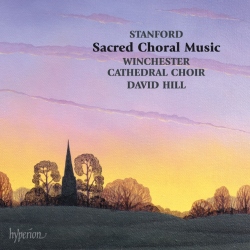
10:15
5
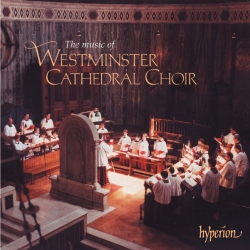
11:53
6
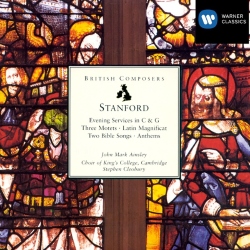
12:14
Featured Music
1
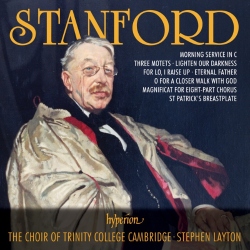
Magnificat for chorus in B flat major, Op. 164
Magnificat for eight-part chorus in B flat Op.164
11:51
2
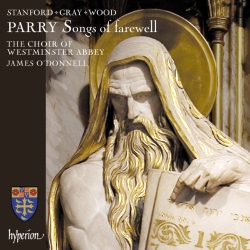
Magnificat for chorus in B flat major, Op. 164
Magnificat for eight-part chorus in B flat, Op. 164
12:37