Zoltán Kodály
Hungarian Dances (3)
Released Album
Recent Album
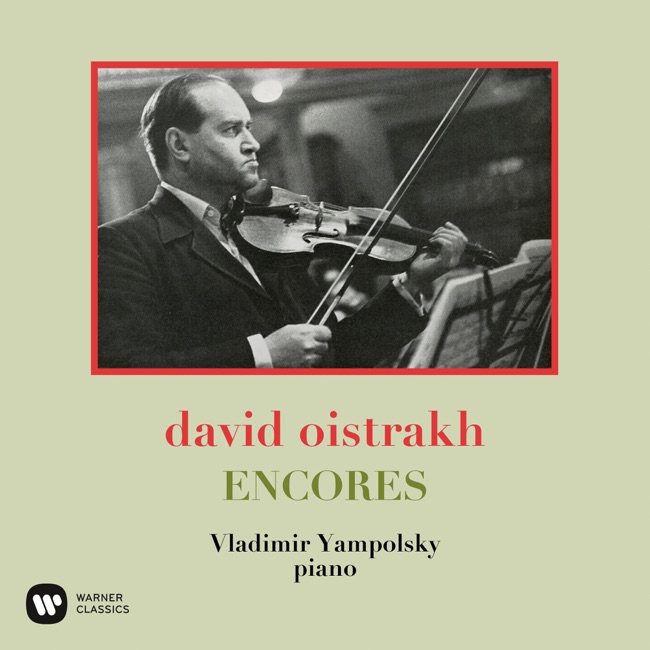
Featured Album
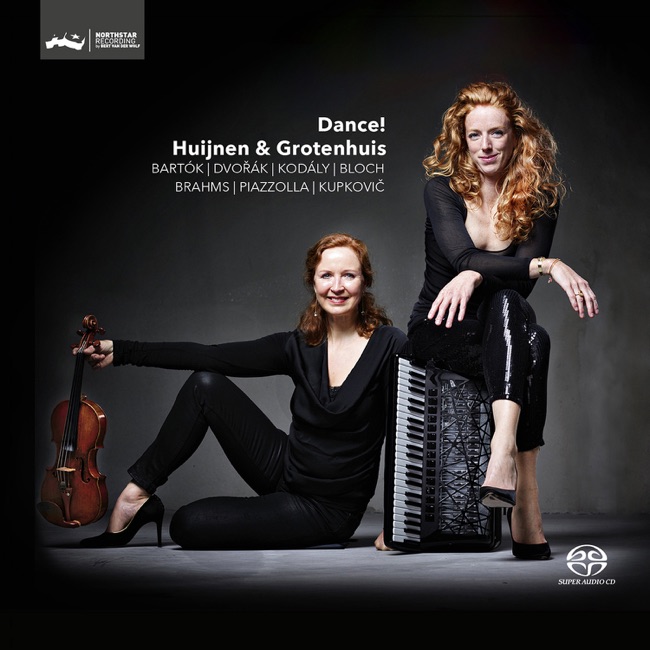
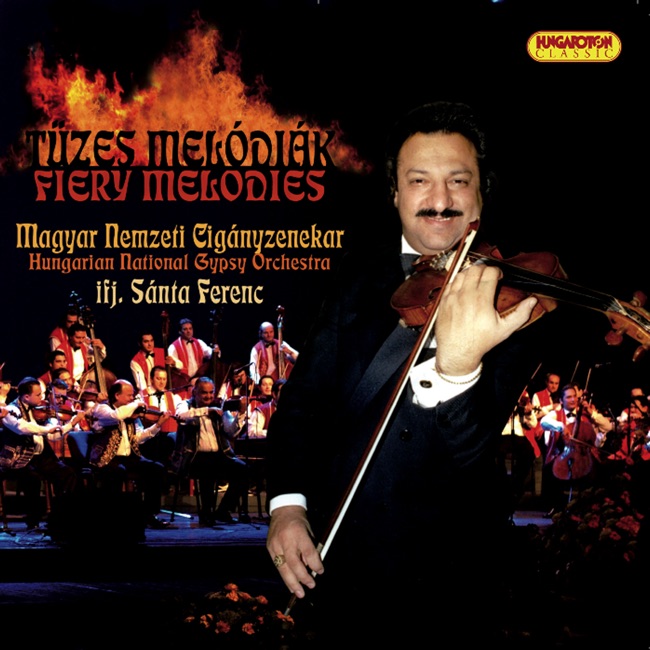
Works Info
Composer:Zoltán KodályGenre:ChamberStyle:Chamber MusicCompose Date:1958Publication Date:1960Average_duration:4:38Hungarian Dances (3) is a composition by the Hungarian composer Zoltán Kodály. It was composed in 1931 and premiered in Budapest in the same year. The piece consists of three movements, each of which is based on a traditional Hungarian folk tune. The first movement, entitled "Allegro moderato," is based on the folk tune "The Peacock." It begins with a lively and energetic melody played by the violins, which is then taken up by the other instruments. The music is characterized by its use of syncopation and irregular rhythms, which give it a distinctly Hungarian flavor. The second movement, "Allegretto," is based on the folk tune "The Swineherd's Dance." It is a slower and more lyrical piece than the first movement, with a more melancholy and introspective feel. The melody is played by the violins and is accompanied by a simple, repetitive rhythm in the lower strings. The final movement, "Allegro vivace," is based on the folk tune "The Verbunkos." It is a fast and lively piece, with a strong emphasis on rhythm and dance. The melody is played by the violins and is accompanied by a driving rhythm in the lower strings and percussion. Overall, Hungarian Dances (3) is a lively and colorful piece of music that showcases Kodály's skill at incorporating traditional folk tunes into his compositions. The use of irregular rhythms and syncopation gives the music a distinctly Hungarian flavor, while the lyrical melodies and driving rhythms make it a joy to listen to.More....